
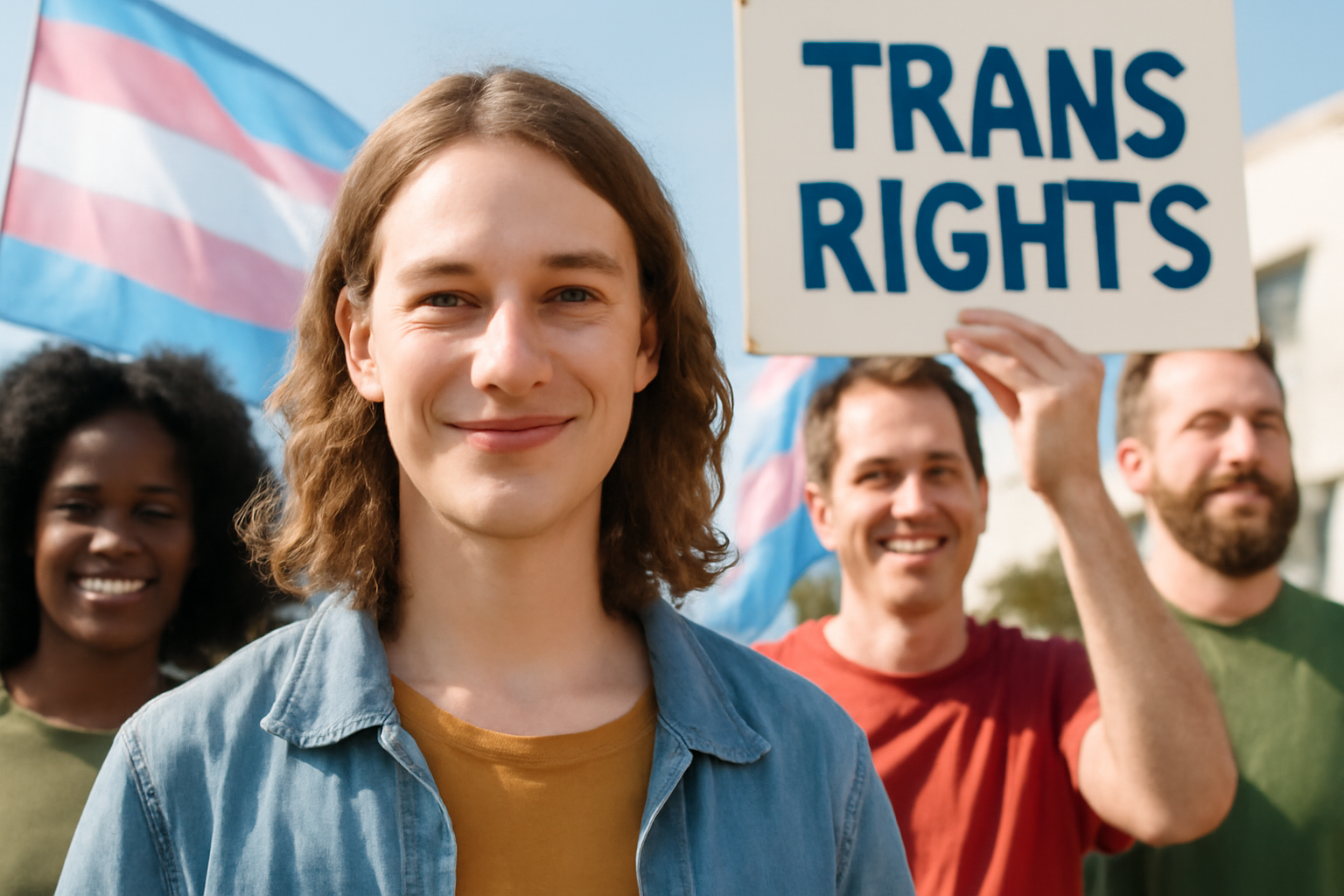
The discourse surrounding transgender rights, health care access, and participation in sports has become a prominent issue in contemporary society. While there is significant support for transgender individuals, public opinion often reveals a paradox where people express both support for nondiscrimination and approval for certain restrictive measures.
Understanding Public Opinion
Recent surveys indicate that a majority of Americans believe in equal rights for transgender individuals. This sentiment is reflected in the widespread opposition to discrimination based on gender identity. Many people agree that transgender individuals should not face barriers in accessing essential services, securing employment, or receiving fair treatment in society.
However, the public is often divided when it comes to specific policies related to transgender health care and sports participation. For instance, some support regulations that restrict access to gender-affirming medical treatments, particularly for minors. The complexity arises from concerns about medical ethics, parental rights, and the impact of such treatments on young individuals.
Transgender Health Care
Transgender health care, especially access to gender-affirming treatments, is a contentious topic. Many advocates argue that these treatments are essential for the well-being of transgender individuals, contributing to improved mental health and quality of life. Nevertheless, debates persist over who should have access to these treatments and at what age they should be allowed.
Some states have enacted or proposed laws that limit access to gender-affirming care for minors, citing concerns over the long-term effects of hormone therapy and surgical interventions. Proponents of these restrictions argue the need for cautious deliberation and parental involvement in such decisions. Conversely, opponents emphasize the importance of allowing transgender youth to explore their identities with appropriate medical support.
Transgender Participation in Sports
Another significant area of debate is the participation of transgender athletes in sports. Opinions vary widely, with some advocating for inclusive policies that allow transgender individuals to compete in accordance with their gender identity. Others support restrictions, particularly in women’s sports, due to perceived advantages that transgender women may have.
The debate often centers around fairness, competition integrity, and the preservation of women’s sports. While some argue that policies should prioritize inclusivity and equal opportunity, others believe in creating separate categories or implementing specific eligibility criteria to maintain a level playing field.
Navigating the Paradox
The apparent contradiction in public opinion reflects broader societal tensions and a lack of consensus on how best to balance individual rights with collective concerns. While opposing discrimination remains a widely shared value, specific nuances in policy discussions reveal deeply held beliefs about gender, identity, and fairness.
Efforts to bridge these divides often involve education, dialogue, and engagement with diverse perspectives. By understanding the underlying fears and misconceptions, there is potential to foster greater empathy and informed decision-making. Advocacy groups continue to play a crucial role in highlighting the lived experiences of transgender individuals and advocating for laws and policies that reflect principles of justice and equality.
In conclusion, the landscape of public opinion on transgender rights is complex and multifaceted. As society continues to grapple with these issues, ongoing conversations and legislative developments will shape the future of transgender rights in America. It remains crucial to approach these discussions with an open mind, recognizing the humanity and dignity of all individuals.
Related Posts
Supreme Court to Address State Bans on Trans Women in Female Sports
The upcoming U.S. Supreme Court term promises to be a pivotal moment for transgender rights, as the nation's highest court has agreed to evaluate whether states have the authority to prohibit transgender women from participating in female sports competitions. This case, scheduled to be argued in the next term beginning October, is expected to have a significant impact on the future of sports inclu [...]
Megan Rapinoe and Sue Bird Announce Amicable Separation After Ten Years Together
In a heartfelt announcement that resonated deeply within the sports and LGBTQ+ communities, soccer star Megan Rapinoe and basketball legend Sue Bird have revealed their decision to part ways after nearly a decade together. The couple, who have been icons both on and off the field, shared the news with their fans through a joint statement on social media, expressing that the choice was made with mu [...]
Groundbreaking Ruling Ends Sodomy Ban for Police and Military in the Dominican Republic
The Constitutional Court of the Dominican Republic recently delivered a landmark decision on November 18th, ruling that the nation’s police and armed forces are not permitted to criminalize consensual same-sex relations among their personnel. This pivotal ruling is a significant stride towards equality and the protection of LGBTQ+ rights within these institutions. A Resounding Victory for Equal [...]