
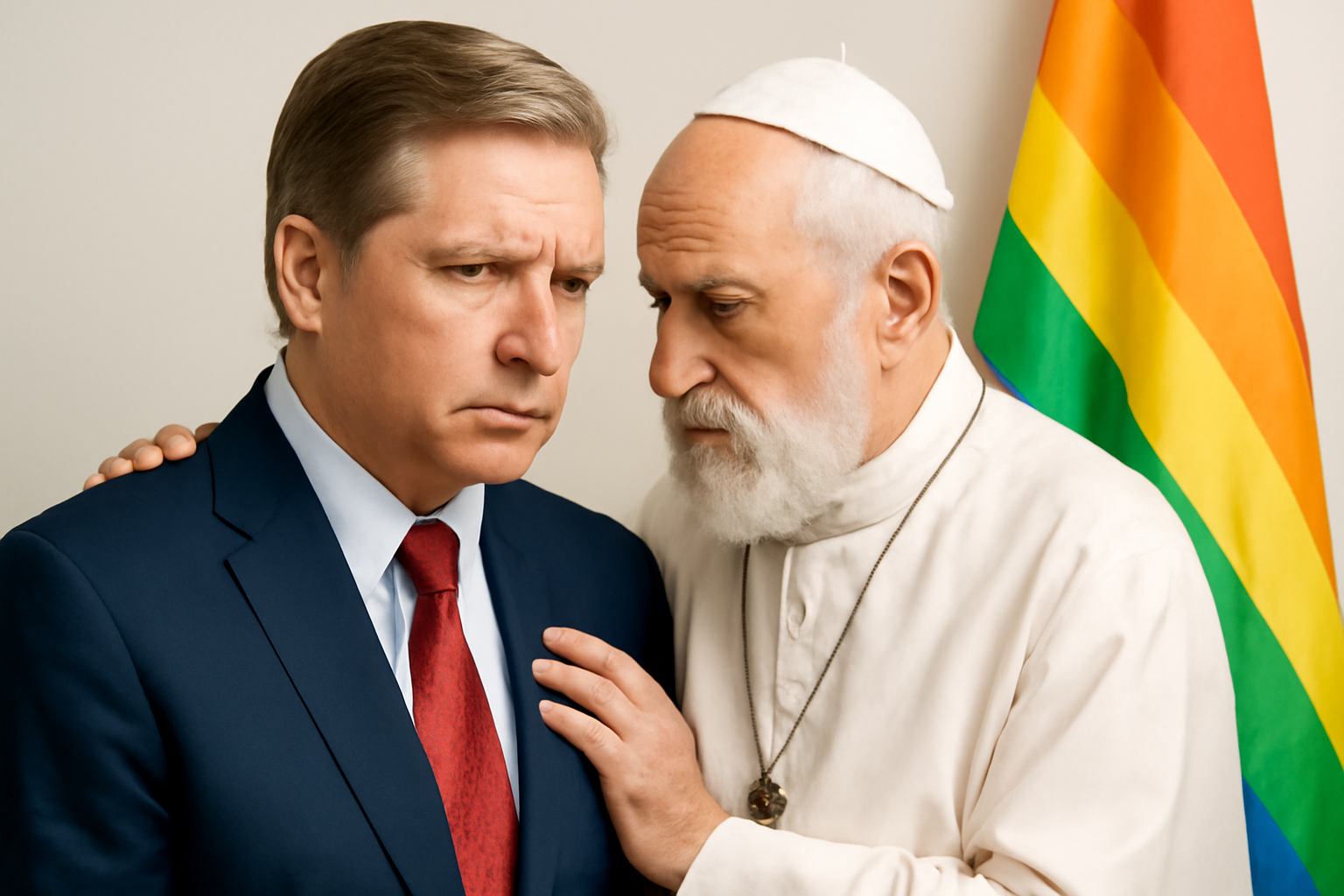
Exploring Controversial Influences and Their Impact on LGBTQ+ Acceptance
In recent years, the intersection of politics, spirituality, and LGBTQ+ rights has become a significant topic of discussion. One area that continues to spark debate is the influence of spiritual leaders on political figures and their subsequent policies regarding LGBTQ+ communities. This article delves into the complexities surrounding such influences, examining the broader implications for LGBTQ+ rights and acceptance.
Throughout history, spiritual leaders have played pivotal roles in shaping societal norms and political landscapes. Their teachings and beliefs often extend beyond religious boundaries, influencing decisions and policies at local, national, and even global levels. This influence can be particularly concerning when such leaders espouse views that are not inclusive of LGBTQ+ rights and acceptance.
The Role of Spiritual Leaders in Politics
Spiritual leaders often hold significant sway over their followers, offering guidance on moral and ethical issues. When political figures align closely with these leaders, their policies and public statements can reflect those beliefs. This dynamic becomes especially problematic when these spiritual leaders hold views that are discriminatory towards LGBTQ+ individuals.
For instance, certain spiritual leaders have been known to express vehement opposition to LGBTQ+ rights, advocating for policies that restrict the freedoms and protections of LGBTQ+ individuals. When politicians—especially those in positions of power—are influenced by such figures, it can lead to the implementation of laws and regulations that are not only exclusionary but also harmful to LGBTQ+ communities.
Understanding the Impact on LGBTQ+ Communities
The impact of spiritual leaders with anti-LGBTQ+ sentiments extends beyond just political policies. It affects the social and cultural acceptance of LGBTQ+ individuals, often fostering environments where discrimination and prejudice can thrive. These leaders often use their platforms to disseminate beliefs that portray LGBTQ+ lifestyles as immoral or unnatural, further entrenching negative stereotypes and perpetuating stigma.
Such rhetoric not only alienates LGBTQ+ individuals but also emboldens those who hold similar prejudices, leading to a society where acceptance and inclusivity are stifled. This can manifest in increased discrimination in various aspects of life, including employment, healthcare, and education, where LGBTQ+ individuals may face bias and unfair treatment.
Promoting Acceptance and Inclusivity
Despite these challenges, there is hope and progress toward greater acceptance and inclusivity. Communities and organizations dedicated to LGBTQ+ rights continue to push for change, advocating for policies that protect against discrimination and promoting understanding and acceptance. Engaging in open dialogues about the impact of spiritual influences on politics and LGBTQ+ rights is essential in fostering a more inclusive society.
Education and awareness are powerful tools in combating the negative effects of discriminatory beliefs. By highlighting the contributions and struggles of LGBTQ+ individuals, society can move towards greater empathy and understanding. Furthermore, by supporting leaders and politicians who advocate for inclusivity, communities can work towards ensuring that policies reflect the diverse fabric of society.
Conclusion
The intersection of spirituality, politics, and LGBTQ+ rights is a complex and often contentious arena. However, through continued advocacy and education, there is potential for positive change. By challenging discriminatory narratives and promoting inclusivity, society can move towards a future where all individuals, regardless of their sexual orientation or gender identity, are respected and accepted.
As we continue to navigate these challenges, it is crucial to remain vigilant and proactive in supporting LGBTQ+ rights both politically and socially. By doing so, we can create a world where everyone is free to live authentically and without fear of prejudice or discrimination.
Related Posts
Supreme Court to Address State Bans on Trans Women in Female Sports
The upcoming U.S. Supreme Court term promises to be a pivotal moment for transgender rights, as the nation's highest court has agreed to evaluate whether states have the authority to prohibit transgender women from participating in female sports competitions. This case, scheduled to be argued in the next term beginning October, is expected to have a significant impact on the future of sports inclu [...]
Megan Rapinoe and Sue Bird Announce Amicable Separation After Ten Years Together
In a heartfelt announcement that resonated deeply within the sports and LGBTQ+ communities, soccer star Megan Rapinoe and basketball legend Sue Bird have revealed their decision to part ways after nearly a decade together. The couple, who have been icons both on and off the field, shared the news with their fans through a joint statement on social media, expressing that the choice was made with mu [...]
Groundbreaking Ruling Ends Sodomy Ban for Police and Military in the Dominican Republic
The Constitutional Court of the Dominican Republic recently delivered a landmark decision on November 18th, ruling that the nation’s police and armed forces are not permitted to criminalize consensual same-sex relations among their personnel. This pivotal ruling is a significant stride towards equality and the protection of LGBTQ+ rights within these institutions. A Resounding Victory for Equal [...]