
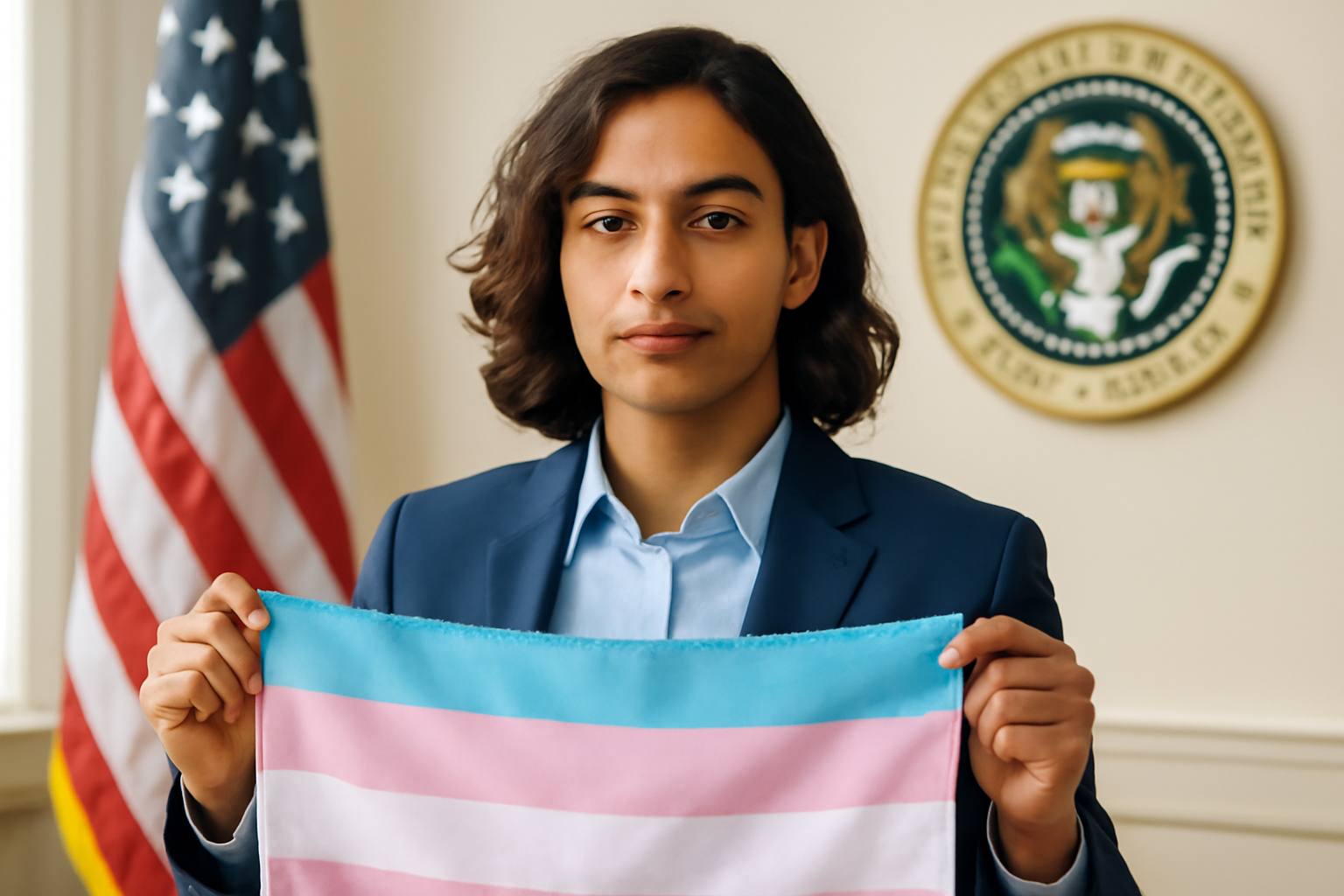
The lives of transgender individuals in the United States, like those of all citizens, are significantly influenced by the policies and executive actions enacted by the federal government. Over recent years, there have been a series of executive orders and policy changes that have directly impacted the transgender community. In this article, we will take a closer look at some of these actions and their implications for transgender rights, with a focus on understanding the broader context of these changes.
Policies Affecting Military Service
One of the most high-profile areas where executive actions have impacted transgender people is in the realm of military service. In 2017, a series of directives were issued that sought to limit the ability of transgender individuals to serve openly in the U.S. military. These actions reversed previous policies that allowed transgender people to serve openly and receive medical care related to their transition.
The rationale provided for these restrictions was largely centered around concerns regarding unit cohesion, military readiness, and medical costs, although these claims have been widely contested by numerous studies and military leaders. The impact of these actions was profound, leading to uncertainty and fear among transgender service members and those aspiring to join the military.
Healthcare and Discrimination Protections
Healthcare is another critical area where transgender individuals have faced challenges due to executive actions. In recent years, there have been efforts to roll back protections that prevent discrimination against transgender people in healthcare settings. These rollbacks aimed to redefine gender identity and remove transgender people from protections under the Affordable Care Act’s nondiscrimination clause.
These changes meant that transgender individuals could potentially be denied essential medical services or face discrimination when seeking care, thus exacerbating health disparities faced by the transgender community. Advocacy groups and healthcare organizations have been vocal in their opposition to these changes, emphasizing the importance of nondiscrimination protections in ensuring equal access to healthcare for all.
Educational Rights and Protections
Another area of concern has been the impact of executive orders on the rights of transgender students. In particular, actions have been taken to rescind guidance that protected the rights of transgender students in public schools, including their right to use bathrooms and locker rooms that correspond with their gender identity.
These changes have sparked significant debate and legal challenges across the country, with advocates arguing that they represent a step backward in ensuring the safety and dignity of transgender students in educational environments. The rollback of these protections has led to increased vulnerability for transgender youth, who already face high rates of bullying and discrimination in schools.
Broad Implications and Community Response
The executive actions targeting transgender individuals have had far-reaching implications, not only in terms of legal protections and rights but also in terms of the societal climate. These policy changes have contributed to a sense of insecurity and marginalization among transgender people, while also galvanizing activists and allies to respond with increased advocacy and support.
It is crucial for all individuals, regardless of their identity, to have the freedom to live authentically and without fear of discrimination. The ongoing efforts to challenge and change these executive actions highlight the resilience and determination of the transgender community and its allies in striving toward a more inclusive and equitable society.
As the landscape of transgender rights continues to evolve, it remains imperative for individuals and organizations to stay informed about policy changes and to advocate for the rights and dignity of transgender people. Through collective action and solidarity, we can work toward a future where everyone is afforded the respect and equality they deserve.
In conclusion, understanding the impact of executive actions on transgender rights is essential for fostering an inclusive society. By raising awareness and advocating for change, we can help ensure that transgender individuals are not left vulnerable to discriminatory practices or policies.
It is through vigilance, advocacy, and the shared commitment to equality and justice that meaningful progress can be made toward protecting and advancing the rights of transgender people in all aspects of life. Only then can we hope to achieve a truly fair and just society for all.
Related Posts
Supreme Court to Address State Bans on Trans Women in Female Sports
The upcoming U.S. Supreme Court term promises to be a pivotal moment for transgender rights, as the nation's highest court has agreed to evaluate whether states have the authority to prohibit transgender women from participating in female sports competitions. This case, scheduled to be argued in the next term beginning October, is expected to have a significant impact on the future of sports inclu [...]
Megan Rapinoe and Sue Bird Announce Amicable Separation After Ten Years Together
In a heartfelt announcement that resonated deeply within the sports and LGBTQ+ communities, soccer star Megan Rapinoe and basketball legend Sue Bird have revealed their decision to part ways after nearly a decade together. The couple, who have been icons both on and off the field, shared the news with their fans through a joint statement on social media, expressing that the choice was made with mu [...]
Groundbreaking Ruling Ends Sodomy Ban for Police and Military in the Dominican Republic
The Constitutional Court of the Dominican Republic recently delivered a landmark decision on November 18th, ruling that the nation’s police and armed forces are not permitted to criminalize consensual same-sex relations among their personnel. This pivotal ruling is a significant stride towards equality and the protection of LGBTQ+ rights within these institutions. A Resounding Victory for Equal [...]