
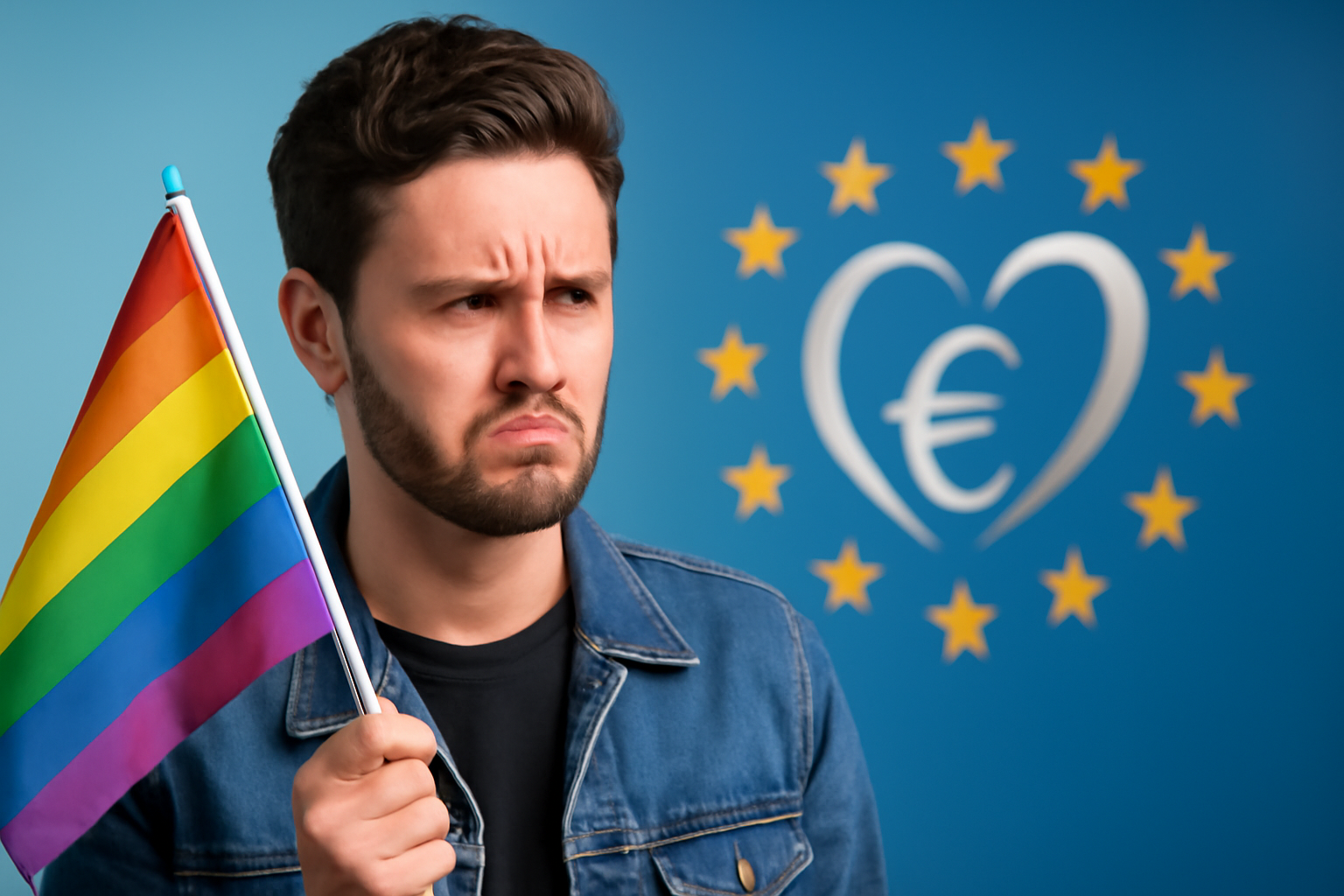
In a move that has sparked significant debate, the European Broadcasting Union (EBU), which organizes the Eurovision Song Contest, has introduced new guidelines for the display of flags during the event. According to these new rules, contestants will not be permitted to display Pride flags on stage or during official events. This change has raised concerns and criticisms, particularly given Eurovision's historical connection to the LGBTQ+ community.
The guidelines specify that only the official flag of the country a contestant represents can be displayed in key areas including the main Eurovision stage, the Eurovision Village Stage, the green room, and the event's turquoise carpet. This policy marks a shift from previous years, where contestants were allowed to display both national and Pride flags.
Reaction to the New Policy
The EBU has stated that this change aims to make the represented countries more immediately identifiable. However, many see this as a step backward for the contest, which has long been celebrated for its inclusivity and celebration of diversity. Critics argue that such restrictions undermine the spirit of Eurovision.
In addition to banning Pride flags, the new rules also prohibit contestants from showing support for politically sensitive issues, including those related to Palestine and Ukraine. This has added another layer of controversy to the already contentious policy change.
Audience Participation and New Flexibility
While the restrictions on contestants have tightened, the rules for audience members have been relaxed. Spectators at the event, which will be held in Basel, Switzerland this year, will be allowed to wave any flag permitted under Swiss law. This includes flags that do not feature racist or discriminatory content or symbols that might incite hatred or violence. Previously, audience members could only display flags of the participating countries.
These audience regulations reflect a response to criticism from previous years, particularly regarding the inclusion of Israel and the barring of Palestinian flags and messages of solidarity during the competition.
Balancing Identity and Clarity
In a statement distributed to various media outlets, the EBU explained that the goal of the policy changes is to find a balance that allows both audiences and artists to express their identities while providing clear guidelines for the delegations in official spaces. Outside of these spaces, the same rules apply to delegations as to audiences, meaning that any flag allowed under Swiss law can be used, including Pride flags.
Last year, Nemo, a Swiss performer who became the first nonbinary winner of Eurovision, had to covertly bring a nonbinary Pride flag into the Malmö Arena. They displayed the flag during the opening parade and in the green room but refrained from having it on stage during their performance.
Backlash from LGBTQ+ Groups
LGBTQ+ rights organizations have responded strongly against the new rules. A spokesperson for COC Nederland, an advocacy group based in the Netherlands, labeled the flag ban as "ridiculous," comparing it to banning personal expressions such as holding hands or wearing earrings.
Maria Sjödin, executive director of Outright International, emphasized that limiting expressions of support for equality through flags and symbols adversely affects the ethos of Eurovision. She underscored that the contest is known for celebrating diversity, creativity, and freedom, and these restrictions are contrary to those values.
Many supporters of the LGBTQ+ community view these changes as a direct contradiction to Eurovision's inclusive legacy. The policy has sparked a broader discussion on how cultural events can balance political neutrality with the celebration of diverse identities and expressions.
As the contest approaches, the debate over these guidelines is likely to continue, with both audience members and performers navigating the new landscape of what is permissible within the contest's storied tradition.
Stay informed on similar issues and updates by subscribing to our newsletter, where you'll receive the latest insights into LGBTQ+ rights and cultural events worldwide.
Related Posts
Supreme Court to Address State Bans on Trans Women in Female Sports
The upcoming U.S. Supreme Court term promises to be a pivotal moment for transgender rights, as the nation's highest court has agreed to evaluate whether states have the authority to prohibit transgender women from participating in female sports competitions. This case, scheduled to be argued in the next term beginning October, is expected to have a significant impact on the future of sports inclu [...]
Megan Rapinoe and Sue Bird Announce Amicable Separation After Ten Years Together
In a heartfelt announcement that resonated deeply within the sports and LGBTQ+ communities, soccer star Megan Rapinoe and basketball legend Sue Bird have revealed their decision to part ways after nearly a decade together. The couple, who have been icons both on and off the field, shared the news with their fans through a joint statement on social media, expressing that the choice was made with mu [...]
Groundbreaking Ruling Ends Sodomy Ban for Police and Military in the Dominican Republic
The Constitutional Court of the Dominican Republic recently delivered a landmark decision on November 18th, ruling that the nation’s police and armed forces are not permitted to criminalize consensual same-sex relations among their personnel. This pivotal ruling is a significant stride towards equality and the protection of LGBTQ+ rights within these institutions. A Resounding Victory for Equal [...]