
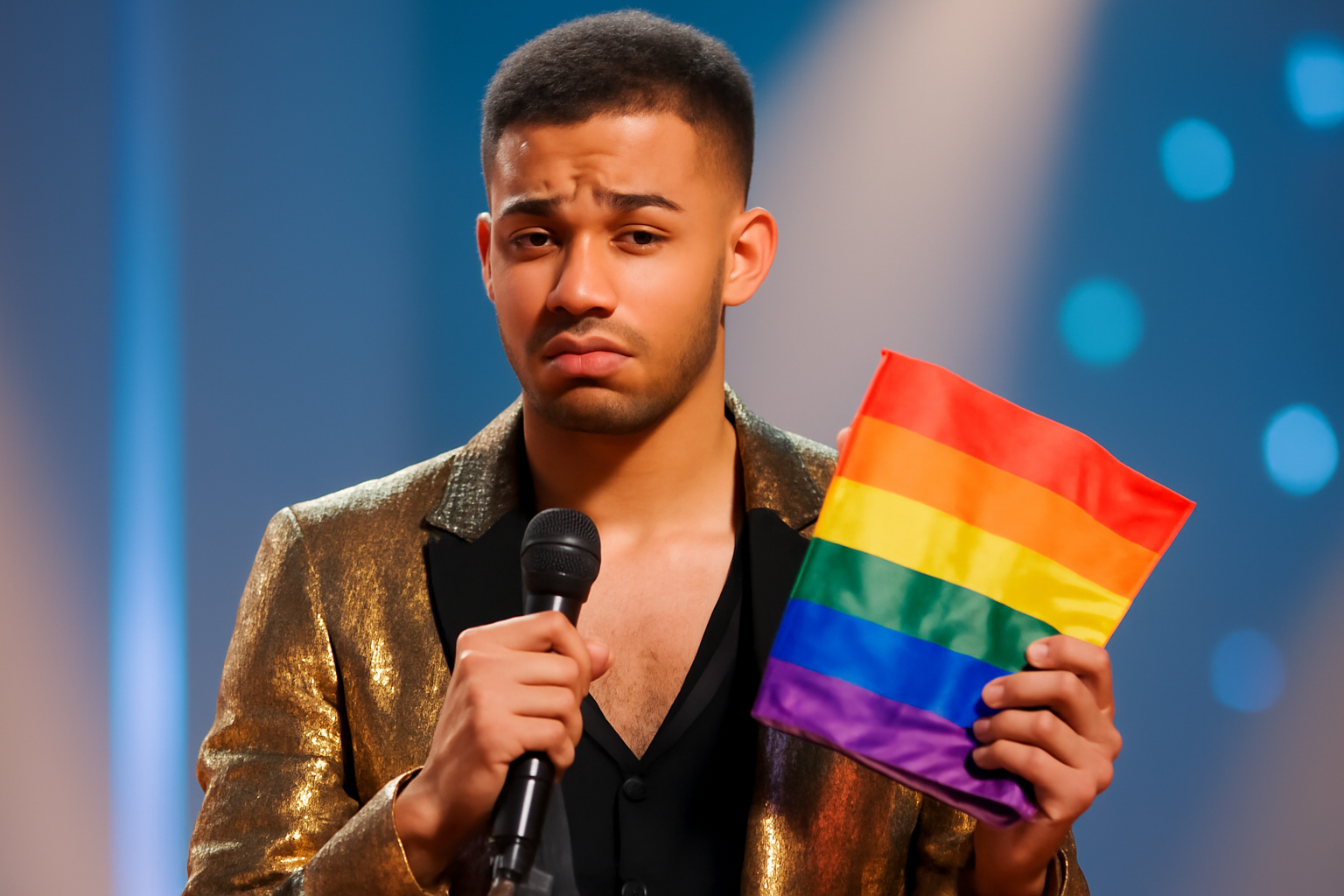
Controversy at Eurovision 2025: Pride Flag Restrictions
The 2025 Eurovision Song Contest, held in Basel, Switzerland, has become the center of a heated debate after the European Broadcasting Union (EBU) introduced new rules limiting the display of certain flags during the competition. The new policy has sparked outrage among participants and fans, as it bars contestants from showcasing any flag other than their national banner on stage. This decision has been particularly contentious because it prevents the prominent display of Pride flags, which have been a symbol of support and identity for many LGBTQ+ participants and fans.
JJ, the Austrian representative and winner of this year's contest with the song "Wasted Love," tried to challenge these restrictions during the grand final. He attempted to bring a Pride flag onto the stage, but his efforts were thwarted by event organizers. "I felt a sense of comfort knowing that the audience could still bring Pride flags into the arena," said JJ in an interview. "I tried to sneak one in myself during the final performance, but I was stopped."
Eurovision's Policy on Flags: A Step Backward?
According to the EBU’s updated policy, while members of the public are allowed to bring any flags permissible under Swiss law to official Eurovision events, the performers themselves are restricted to only displaying their national flags. This has led to frustration and disappointment among the LGBTQ+ community, which has historically been a significant part of Eurovision’s culture and audience.
Nemo, the winner of the 2024 Eurovision contest and a non-binary artist, previously expressed similar sentiments of disappointment. Nemo managed to secretly carry a non-binary flag on stage last year and has described the flag ban as "sad" and "confusing." "Eurovision is known as a beacon of inclusivity and diversity," said Nemo. "To restrict the expression of that identity with such rules is perplexing and disheartening."
Responses and Reactions
In response to the criticism, an EBU spokesperson stated that the rule was designed to align Eurovision with other international competitive events. "We aim to balance artistic expression with clear guidelines," they explained. "While official spaces like the stage and Eurovision Village have restrictions, outside these areas, all flags allowed under Swiss law can be freely displayed."
Despite these explanations, many in the LGBTQ+ community feel that Eurovision's decision is misaligned with the event's inclusive spirit. Critics argue that the contest, celebrated for its diversity and support for freedom of expression, should allow participants to carry symbols that represent their identities.
JJ's Commitment to LGBTQ+ Advocacy
After his victory, JJ has expressed his determination to use his newfound fame for advocacy. "Winning Eurovision is a huge opportunity," JJ remarked. "I want to stand up for LGBTQ+ rights and work towards greater acceptance and equality for the community. It's troubling to see parts of Europe becoming more conservative and taking steps backward. We need to take action and push for progress."
JJ’s stance underscores the ongoing struggle for visibility and equality in many parts of the world. As Eurovision continues to be a platform for diverse voices, the call for broader acceptance and understanding resonates deeply within the community.
The debate over flag restrictions continues to unfold, highlighting broader conversations about identity, visibility, and the role of international events in fostering inclusivity. JJ and other artists remain hopeful that future iterations of Eurovision will embrace the values of diversity and acceptance that the contest is renowned for.
As discussions around these policies progress, fans and participants alike are encouraged to voice their perspectives and advocate for a Eurovision that truly celebrates every aspect of its vibrant community.
Join the Conversation
What are your thoughts on the Pride flag restrictions at Eurovision 2025? Share your views in the comments below and let's keep the conversation respectful and constructive.
Related Posts
Supreme Court to Address State Bans on Trans Women in Female Sports
The upcoming U.S. Supreme Court term promises to be a pivotal moment for transgender rights, as the nation's highest court has agreed to evaluate whether states have the authority to prohibit transgender women from participating in female sports competitions. This case, scheduled to be argued in the next term beginning October, is expected to have a significant impact on the future of sports inclu [...]
Megan Rapinoe and Sue Bird Announce Amicable Separation After Ten Years Together
In a heartfelt announcement that resonated deeply within the sports and LGBTQ+ communities, soccer star Megan Rapinoe and basketball legend Sue Bird have revealed their decision to part ways after nearly a decade together. The couple, who have been icons both on and off the field, shared the news with their fans through a joint statement on social media, expressing that the choice was made with mu [...]
Groundbreaking Ruling Ends Sodomy Ban for Police and Military in the Dominican Republic
The Constitutional Court of the Dominican Republic recently delivered a landmark decision on November 18th, ruling that the nation’s police and armed forces are not permitted to criminalize consensual same-sex relations among their personnel. This pivotal ruling is a significant stride towards equality and the protection of LGBTQ+ rights within these institutions. A Resounding Victory for Equal [...]