
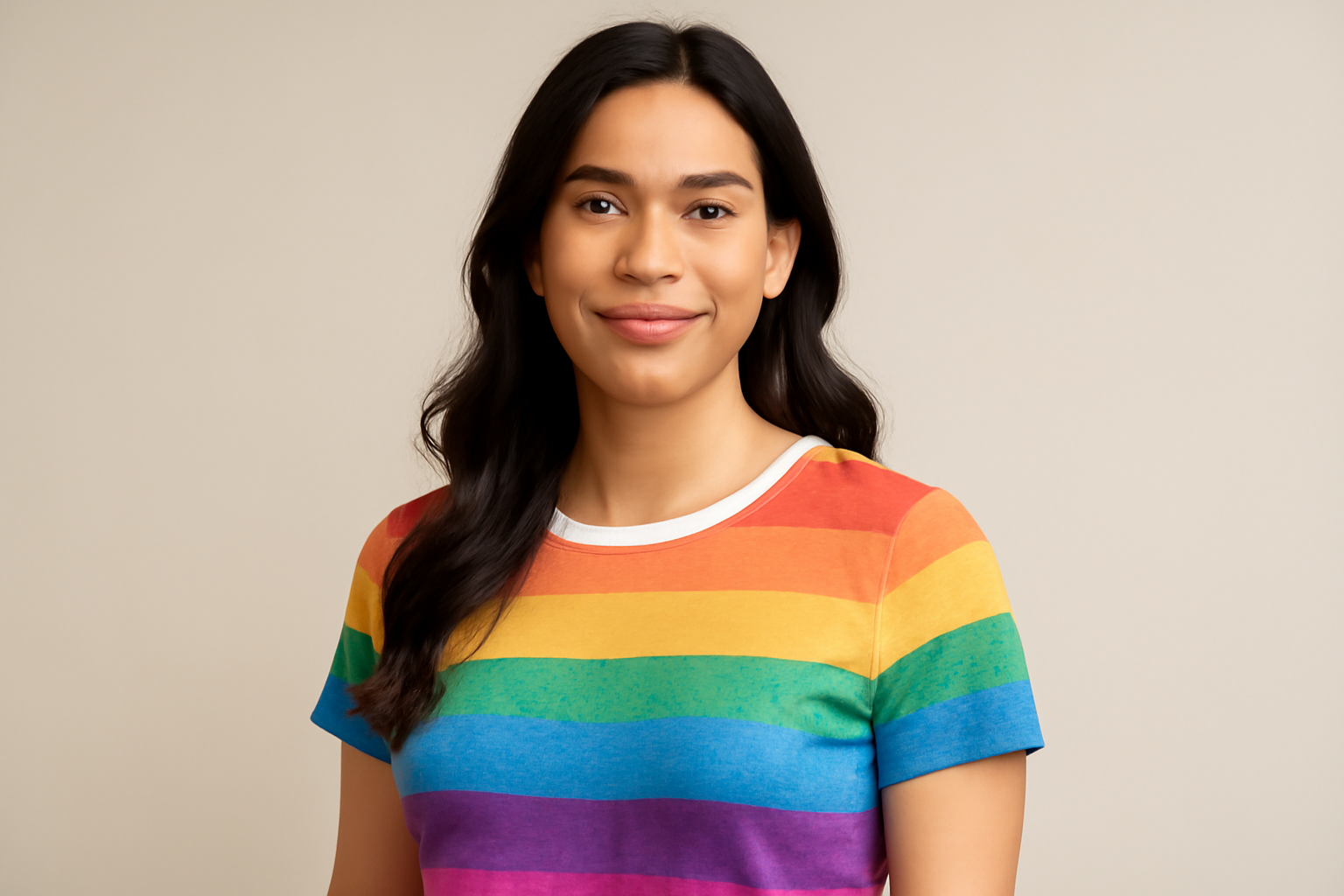
In a recent turn of events, trailblazing transgender pageant contestant Bella Bautista made the difficult decision to withdraw from the Miss Georgia USA competition. Her decision was driven by a misalignment between her personal values and those of the organization. The details remain somewhat under wraps due to ongoing legal proceedings, but she did express a concern over the organization's leadership support for certain political figures, as confirmed in a statement to a leading youth magazine.
Bautista, a 22-year-old who previously held the title of Miss Buckhead USA, had broken new ground by being the first openly transgender contestant in the state's pageant history. On social media, she shared her thoughts: "I wanted nothing more than to be the representation our community needs, especially in this moment. But more than that, I know how important it is to stand firm and speak up when something isn’t right. As transgender women, we often enter spaces and remain silent out of fear or exhaustion, hoping for change. But I refuse to stay silent."
The Disconnect Between Media and Authentic Representation
Her story sheds light on a broader issue: the gap between media portrayals and genuine inclusivity. Media has a dual role as both a reflection and shaper of public perception, yet the current inclusion of transgender individuals often encounters numerous challenges.
Despite some progress, mainstream media frequently oscillates between superficial representation and outright misrepresentation. This reflects a tendency to perpetuate stereotypes that fail to capture the dignity and complexity of transgender lives.
Transgender Minnesota State Representative Leigh Finke, an outspoken advocate for fair representation, commented on this issue, stating, "The media has immense power in shaping how the public sees trans people. When reduced to mere headlines or stereotypes, it strips us of our humanity. Fair and accurate representation isn’t just about visibility — it’s about ensuring that people see us as who we truly are: complex, full human beings deserving of dignity and respect."
Challenges and Triumphs in Representation
Figures like Finke personify the transformative power of authentic representation. As the first openly transgender lawmaker elected in Minnesota, she's been instrumental in advancing legislation that protects transgender rights. However, her journey hasn't been without adversity, facing personal attacks and misgendering even from colleagues.
Finke emphasizes the responsibility of media to act ethically and responsibly. The disparity between media portrayals and the lived realities of individuals like Bautista and Finke necessitates a recalibration of narratives. While visibility has increased, the quality of representation often remains lacking.
Transgender narratives are frequently sensationalized, reducing complex human experiences to simple headlines. This superficial engagement not only distorts public understanding but also causes tangible harm to the transgender community by reinforcing misconceptions and fueling discrimination.
Moving Beyond Tokenistic Representation
Media outlets must transcend tokenistic representation and engage with transgender stories in a respectful and nuanced fashion. This includes providing platforms for transgender voices to narrate their own experiences, challenge harmful stereotypes, and hold institutions accountable for perpetuating inequality.
Transgender people in media are too often reduced to caricatures, punchlines, or tragic figures. Harmful tropes like the "deceptive trans woman" or the "mentally unstable trans person" persist, reinforcing fears and misconceptions.
Even well-intentioned news coverage can frame transgender rights as debatable rather than fundamental truths, fostering a climate where trans people are seen as burdens rather than human beings deserving of dignity and respect. Yet, when done right, representation can change everything.
The Importance of Authentic Narratives
When trans people are depicted as whole, complex, and fully human, it reshapes public perception. Documentaries that center on transgender voices, rather than merely discussing them, advance understanding. TV shows and movies that cast trans actors in trans roles give agency to their narratives. News outlets hiring trans journalists to cover trans issues ensure stories are told with accuracy and nuance.
Proper representation not only helps others see trans people as they truly are but also gives trans individuals, particularly youth, the chance to see themselves reflected in a way that affirms their existence and belonging.
Transgender Day of Visibility: A Call to Action
Transgender Day of Visibility is a poignant reminder of both progress made and the work still necessary. It's an opportunity for media to reflect on its influence and commit to practices that promote visibility, affirming the humanity and diversity of transgender individuals.
Finke states, "If we want to improve trans visibility in the media, we need to start by putting trans voices at the center of the conversation. That means mentoring, educating, and hiring trans politicians, academics, journalists, consultants, and storytellers. Supporting independent trans creators and holding major media outlets accountable for harmful narratives are crucial steps."
Ultimately, representation isn’t just about being seen — it’s about being heard in truthful and empowering ways. Achieving this requires collective effort and commitment from all of us.
Related Posts
Supreme Court to Address State Bans on Trans Women in Female Sports
The upcoming U.S. Supreme Court term promises to be a pivotal moment for transgender rights, as the nation's highest court has agreed to evaluate whether states have the authority to prohibit transgender women from participating in female sports competitions. This case, scheduled to be argued in the next term beginning October, is expected to have a significant impact on the future of sports inclu [...]
Megan Rapinoe and Sue Bird Announce Amicable Separation After Ten Years Together
In a heartfelt announcement that resonated deeply within the sports and LGBTQ+ communities, soccer star Megan Rapinoe and basketball legend Sue Bird have revealed their decision to part ways after nearly a decade together. The couple, who have been icons both on and off the field, shared the news with their fans through a joint statement on social media, expressing that the choice was made with mu [...]
Groundbreaking Ruling Ends Sodomy Ban for Police and Military in the Dominican Republic
The Constitutional Court of the Dominican Republic recently delivered a landmark decision on November 18th, ruling that the nation’s police and armed forces are not permitted to criminalize consensual same-sex relations among their personnel. This pivotal ruling is a significant stride towards equality and the protection of LGBTQ+ rights within these institutions. A Resounding Victory for Equal [...]