
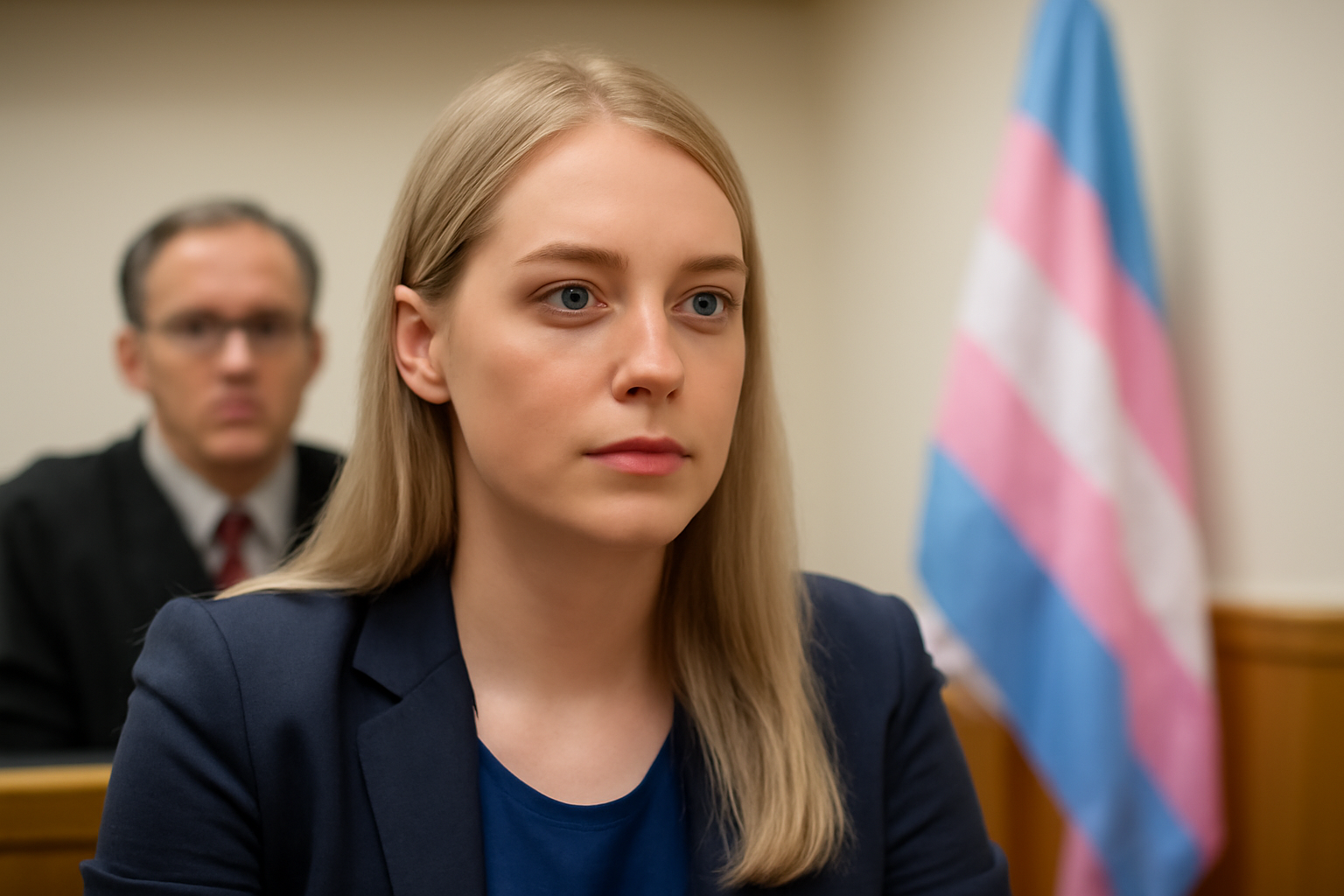
Transgender healthcare restrictions in Florida reach pivotal court showdown
The fight over Florida's tough regulations on transgender healthcare has escalated, landing in front a U.S. Court in Atlanta. The case, known as Doe v. Ladapo, takes aim at Florida's sweeping ban on medical treatments available only with extreme restrictions, affecting both transgender minors and adults in their pursuit adequate healthcare.
This step up in court comes after state officials disputed a landmark ruling by Judge Robert Hinkle from Florida's Northern District. Back in June 2024, Judge Hinkle declared Florida's healthcare law unconstitutional, calling it out as a violation against equal protection rights. He maintained these measures were driven by discrimination, not science.
Yet, despite Judge Hinkle's already powerful ruling, those restrictive policies still stand as they await their day in appellate court. Represented by a coalition including organizations like GLAD Law and Human Rights Campaign, plaintiffs continue their pursuit.
Among them, Jane Doe, shares a heartfelt plea. She says, "As a mother, my hope rests with my child being seen and accepted, and I truly hope this court upholds Judge Hinkle's compassionate decision, because transgender people in Florida depend on this vital access.”
Lucien Hamel, another plaintiff, expresses his frustration: “As a transgender adult trying my best, it's just maddening that Florida thinks it can dictate our personal healthcare. Some lawmakers go as far as calling necessary medical care 'moral corruption,' which only adds insult."
Questioning bias and its legal impact
Shannon Minter from NCLR underscores that Florida's bias, not logic, led these measures. “Transgender adults don't need government oversight. Parents should make decisions without state interference," he argues.
Simone Chris at Southern Legal Counsel emphasizes this bias's broad consequences: “Florida has systematically blocked transgender folks from healthcare and living authentically, making daily life exceedingly difficult.”
On legal footing, Thomas Redburn from Lowenstein Sandler remarks, "The state hasn't brought anything convincing enough in this appeal that would change Judge Hinkle's decision.”
Jennifer Levi from GLAD Law condemns these laws, attacking parental rights. “This harmful law doesn't just rob parents from making informed decisions; it disrupts private healthcare decisions,” she asserts.
Far-reaching effects on LGBTQ+ rights
The court's decision here means a lot, not just in Florida, but potentially everywhere. Advocates closely watch, knowing a ruling could shape future cases across states.
As this legal saga plays out, families and individuals hope justice prevails, restoring their healthcare access without excessive governmental intrusion. The community, standing firm on transgender rights, eagerly awaits news from this critical court session.
Related Posts
Supreme Court to Address State Bans on Trans Women in Female Sports
The upcoming U.S. Supreme Court term promises to be a pivotal moment for transgender rights, as the nation's highest court has agreed to evaluate whether states have the authority to prohibit transgender women from participating in female sports competitions. This case, scheduled to be argued in the next term beginning October, is expected to have a significant impact on the future of sports inclu [...]
Megan Rapinoe and Sue Bird Announce Amicable Separation After Ten Years Together
In a heartfelt announcement that resonated deeply within the sports and LGBTQ+ communities, soccer star Megan Rapinoe and basketball legend Sue Bird have revealed their decision to part ways after nearly a decade together. The couple, who have been icons both on and off the field, shared the news with their fans through a joint statement on social media, expressing that the choice was made with mu [...]
Groundbreaking Ruling Ends Sodomy Ban for Police and Military in the Dominican Republic
The Constitutional Court of the Dominican Republic recently delivered a landmark decision on November 18th, ruling that the nation’s police and armed forces are not permitted to criminalize consensual same-sex relations among their personnel. This pivotal ruling is a significant stride towards equality and the protection of LGBTQ+ rights within these institutions. A Resounding Victory for Equal [...]