
In recent years, some political groups, especially conservatives, have been pushing hard on redefining what counts as "obscenity" in media. They're not just talking about stricter regulations; some even want certain content criminalized if they believe it's inappropriate.
A heated debate over media obscenity
The core argument here revolves around whether current laws are too lax, potentially putting kids at risk and eroding family values. Those in favor think that sexually explicit content harms both individuals and society, warranting tighter controls. But, let's be real—figuring out what's genuinely "obscene" isn't straightforward.
Traditionally, we've relied on something called The Miller Test. It asks if an average person, using today's standards, sees a piece as appealing only because it's risqué, if it offensively depicts sexual acts, or if it lacks serious literary, artistic, political, or scientific value.
What it means in popular culture
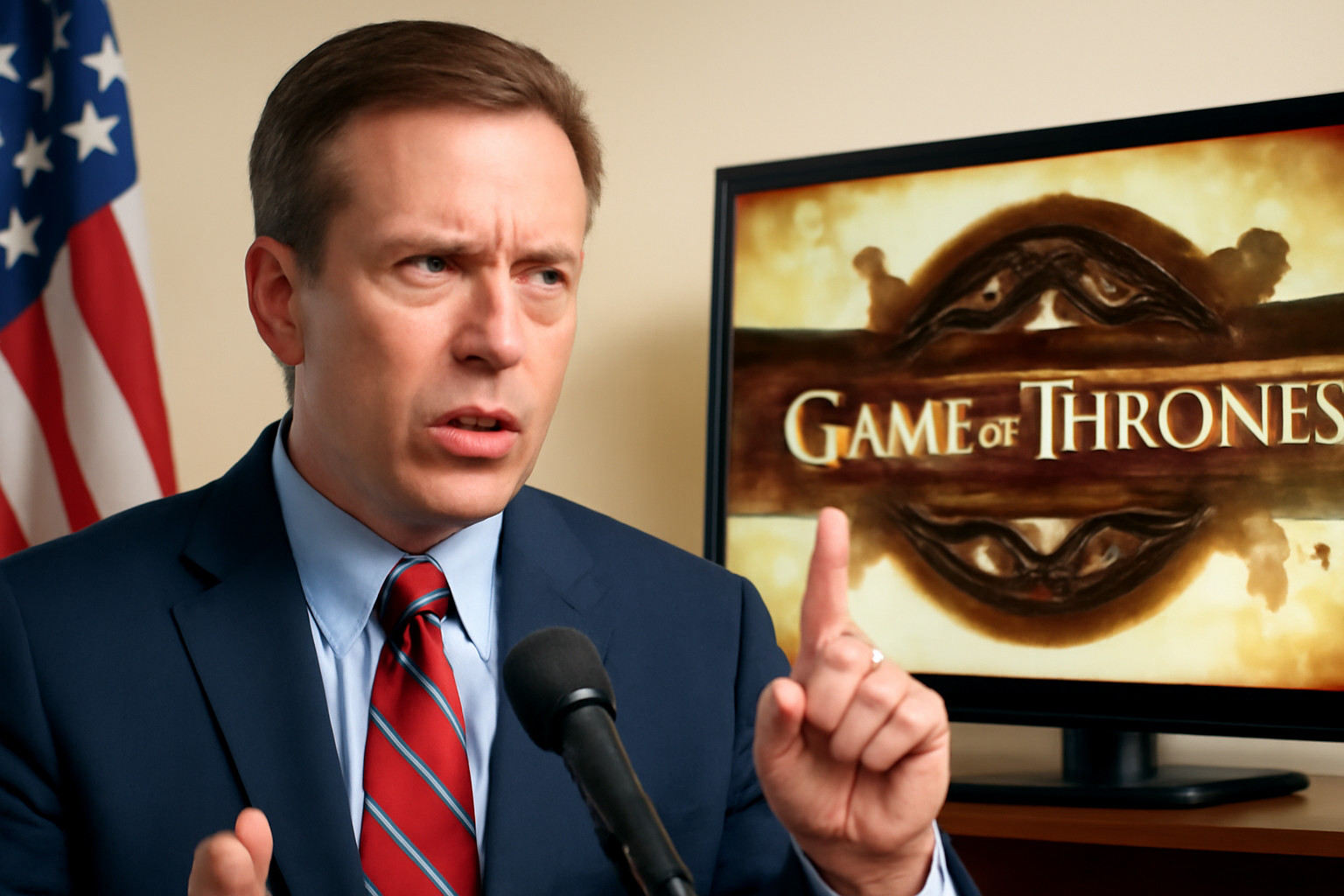
Trying out broader definitions has a lot in entertainment worried that fan-faves might get unfairly tagged as "obscene." Take "Game Of Thrones," loved globally but not without its detractors. It's got complex stories and deep characters, but yeah, also graphic violence and adult themes. Could it be crossing a line? If obscenity definitions tighten, TV shows like this might face censorship or lawsuits.
The risk creative expression faces
Critics are loudly voicing that redefining these laws could seriously cramp artistic styles. They argue that if we broaden what's "obscene," we might find ourselves on a slippery slope—where creators feel like they have no choice but censor their own work lest they face legal trouble.
Then there's another snag: what offends one person might be artful expression according others, thanks mostly cultural and personal interpretations. That's why trying create one-size-fits-all legal definition across such diverse populations can be problematic.
Looking ahead at obscenity laws
As this debate rages on, any changes must be approached thoughtfully. Policymakers need balance protecting kids and upholding values with not stifling creative freedom or artistry.
Ultimately, this debate isn't just about media; it's part a bigger picture involving morality, freedom, and how much say government should have in cultural matters. Both sides have points worth considering, but finding compromise that honors personal freedoms yet maintains social norms isn't easy.
No doubt, these discussions are going shape how media evolves, impacting creators and consumers alike in ways that affect our cultural and artistic future.
Related Posts
California Governor Pressed to Enact Key Transgender Rights Legislation
California Governor Pressed to Enact Key Transgender Rights Legislation In a significant move, advocacy groups across California are urging Governor Gavin Newsom to ratify a series of bills designed to enhance and protect the rights of transgender individuals within the state.*break* In recent weeks, a coalition of transgender rights organizations has mobilized the public to contact Governor New [...]
Exploring 'Feminine': A Preview at The Pride Center of New Jersey
An Exciting Artistic Expression of Identity The Pride Center of New Jersey is thrilled to host a captivating preview of the exhibit "Feminine," a unique artistic exploration of gender and identity. This event promises to be an enriching experience for anyone interested in the vibrant tapestry of the LGBTQ+ community. The preview will take place at the Pride Center, located in the welcoming town of [...]
Controversy at the Kennedy Center: Drag Shows Thrive Despite Political Promises
In a surprising turn of events, the Kennedy Center, an iconic cultural venue, finds itself at the center of a political and cultural controversy. This comes after former President Donald Trump made headlines by dismissing the Kennedy Center's board, appointing himself as chair, and installing Ric Grenell, a devoted supporter, as the interim head. This move was part of an effort to eliminate what T [...]