
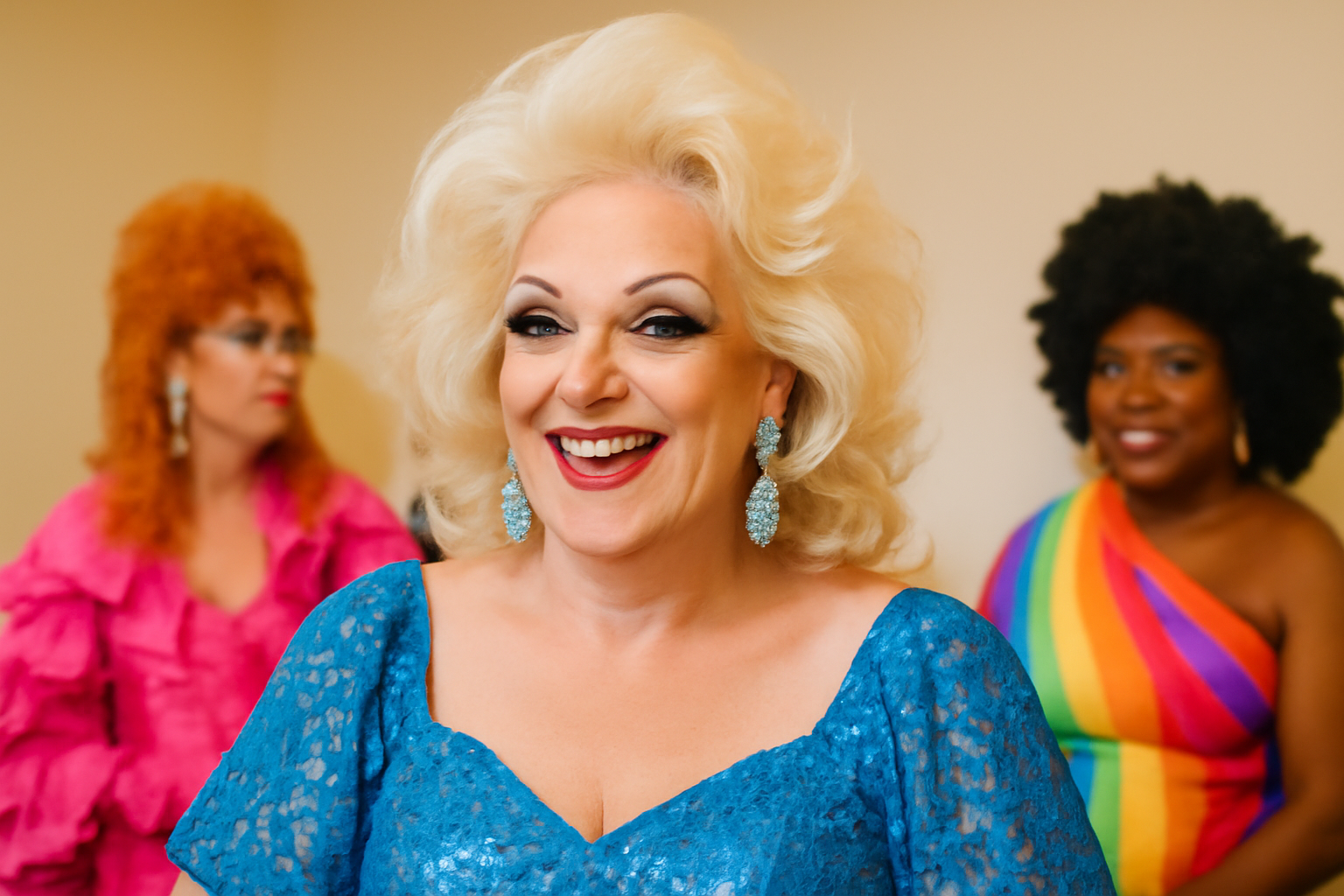
In the latest season of RuPaul’s Drag Race, viewers were introduced to a new group of queens, among whom was Louisville’s Lexi Love. Despite her talent, Lexi became known among the other contestants as the "grandma" of the group. This playful nickname was given to her at the age of 33, sparking a broader discussion about age representation on the show.
As I contemplate this scenario, it makes one wonder: does my age define my place in the world of drag? The term "grandma" used humorously by the contestants might be harmless, but it raises an important question: is there an age bias in the Drag Race universe?
Age Representation on Drag Race
RuPaul, who is himself 65, hosts the show, which has showcased talent from various age groups across its many seasons and international versions. While notable older queens have participated, winning the coveted title remains a rarity for them. Out of the 73 winners across the Drag Race franchise, only five have been over 40 when they won.
For example, Drag Race UK season six became a fan favorite, partly due to the participation of County Durham’s La Voix, at 44, who excelled in the competition. Ultimately, she did not win, as the crown went to 27-year-old Kyran Thrax.
The Casting Challenge
To even compete, older queens need to be cast, which is a challenge in itself. The current season features the youngest average age of contestants, around 26. This trend isn't new; statistically, older queens are less frequently cast.
When older queens do appear, they often face scrutiny or become the butt of jokes. Season seven saw Tempest DuJour, then 47, become the oldest queen. Despite her talent, she was eliminated early, partly due to age-related comments. Similarly, Charlie Hides, at 52, was eliminated on season nine after struggling with a high-energy challenge.
Challenges for Older Queens
The nature of some challenges might not favor older contestants, who might find the physically demanding tasks more challenging. This was seen with Canada’s Drag Race contestant Jaylene Tyme, 52, who exited after a less dynamic performance. Such situations contribute to the perception that older queens struggle more on the show.
Despite this, it’s not merely the challenges but also the perception and reception of older queens that influences their journey on Drag Race. The reality is, the pool of older contestants is smaller, partly due to historical challenges faced by the LGBTQ+ community, including the AIDS crisis, which impacted the visibility of queer artists.
The Fans' Perspective
Interestingly, the audience seems more accepting. Lexi Love has a strong following, with many fans rooting for her to win. Online communities often express a desire to see more seasoned queens in the competition.
Ultimately, does Drag Race have an age issue? While the show provides a platform for young queens, there remains a call for greater age diversity. A season highlighting queens with decades of experience could invigorate the format, offering fresh perspectives rooted in rich histories of drag culture.
RuPaul’s Drag Race continues to air on Fridays, providing a stage for diverse talents. As fans, we can only hope that future seasons will embrace a broader age spectrum, reflecting the diverse reality of the drag community.
Share your own thoughts in the comments, and remember to engage in respectful dialogue!
Related Posts
Supreme Court to Address State Bans on Trans Women in Female Sports
The upcoming U.S. Supreme Court term promises to be a pivotal moment for transgender rights, as the nation's highest court has agreed to evaluate whether states have the authority to prohibit transgender women from participating in female sports competitions. This case, scheduled to be argued in the next term beginning October, is expected to have a significant impact on the future of sports inclu [...]
Megan Rapinoe and Sue Bird Announce Amicable Separation After Ten Years Together
In a heartfelt announcement that resonated deeply within the sports and LGBTQ+ communities, soccer star Megan Rapinoe and basketball legend Sue Bird have revealed their decision to part ways after nearly a decade together. The couple, who have been icons both on and off the field, shared the news with their fans through a joint statement on social media, expressing that the choice was made with mu [...]
Groundbreaking Ruling Ends Sodomy Ban for Police and Military in the Dominican Republic
The Constitutional Court of the Dominican Republic recently delivered a landmark decision on November 18th, ruling that the nation’s police and armed forces are not permitted to criminalize consensual same-sex relations among their personnel. This pivotal ruling is a significant stride towards equality and the protection of LGBTQ+ rights within these institutions. A Resounding Victory for Equal [...]