
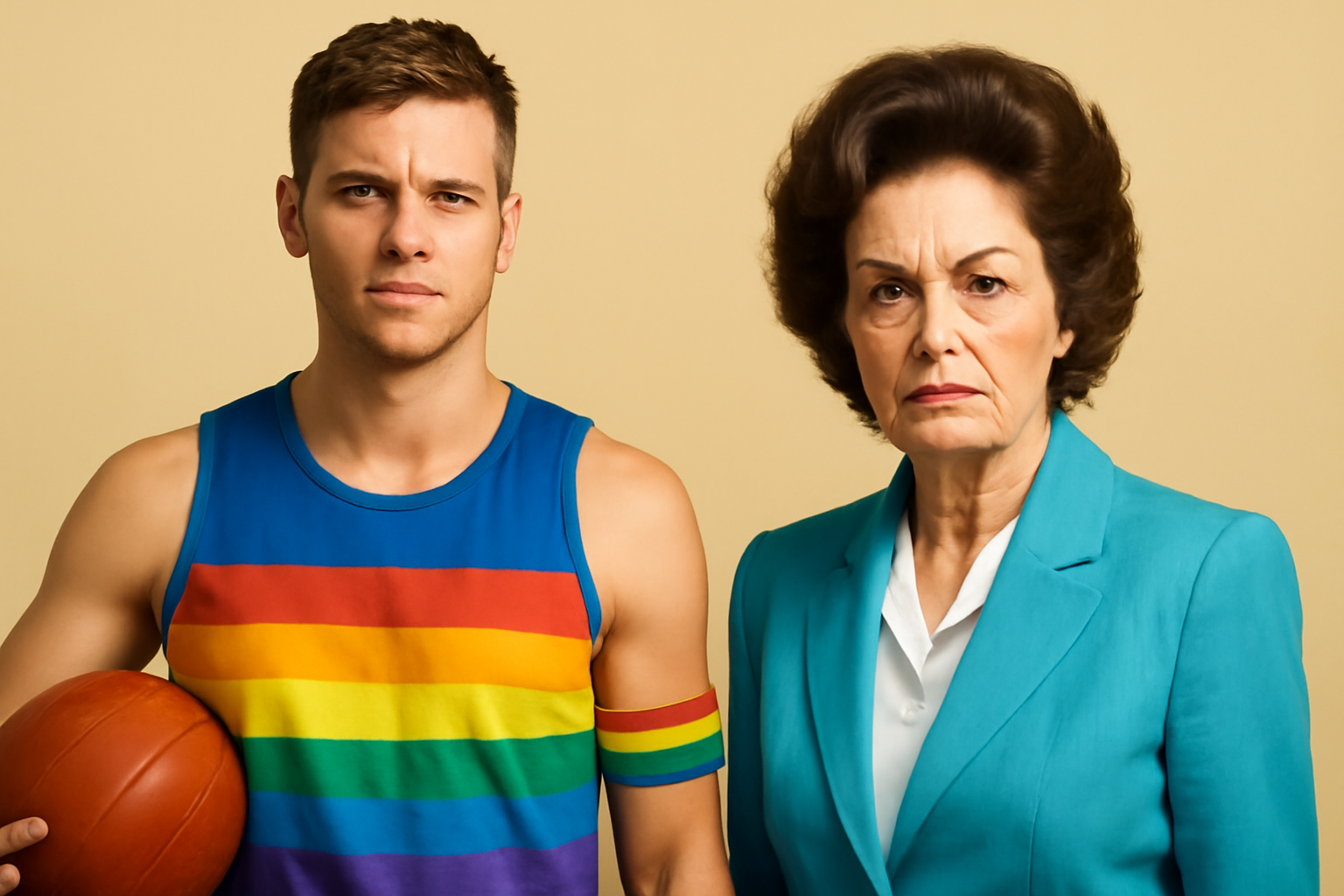
Anita Bryant's recent passing has brought renewed attention to her controversial legacy as a vocal opponent of LGBTQ+ rights. Bryant, once known for her singing career, transitioned into a figurehead of anti-gay activism, especially noted for her vehement opposition to a 1977 ordinance in Dade County, Florida, which aimed to prevent discrimination based on sexual orientation.
Bryant's public crusade against this ordinance was marked by inflammatory rhetoric. "What these people really want, hidden behind obscure legal phrases, is the legal right to propose to our children that theirs is an acceptable alternate way of life," she declared at the time. This statement encapsulates the fearmongering that characterized her stance, one that sought to deny LGBTQ+ individuals the right to live openly and peacefully, influencing young LGBTQ+ individuals to embrace their identities.
The same period saw former NFL player David Kopay taking a bold step by publicly coming out as gay, challenging prevailing stereotypes about gay men and athletes. Kopay, known for his robust performance as an NFL running back, refuted the notion that one's sexual orientation had any bearing on their capability or integrity in sports.
In 1979, the New York Daily News staged a debate between Bryant and Kopay to examine the impact of gay athletes on the image of sports. This debate was emblematic of the era's cultural tensions, with Bryant representing a traditionalist viewpoint against the inclusion of openly gay individuals in sports.
The Debate: Do LGBTQ+ Athletes Tarnish Sports?
Bryant's argument hinged on the belief that a gay "lifestyle" was self-centered and unsuitable as a role model for children. She posited that any contributions made by gay individuals were in spite of, rather than because of, their sexual orientation. "Regardless of who it is who seeks his own interest in a self-centered fashion, it is poor modeling," Bryant asserted, reflecting a perspective that sought to undermine the visibility and validity of LGBTQ+ identities.
In stark contrast, Kopay's op-ed advocated for the importance of visibility and honesty among gay athletes. "Gay men and women have always been involved in sports," Kopay wrote. "Therefore I’d like to show why we should no longer remain invisible and hidden and are in no way a detriment to what I believe the image of sports is all about: honesty and integrity." Kopay's life and career have been a testament to this philosophy, as he has continued to support openness and authenticity in the decades since.
Kopay's argument resonated with many, and over the subsequent years, numerous LGBTQ+ athletes have followed his lead, publicly embracing their identities. Figures such as Michael Sam, Carl Nassib, and Kevin Maxen have become pivotal in demonstrating that gay athletes can thrive in sports, without detracting from the sports' values or appeal.
The Legacy of the Debate
Reflecting back on the debate, it's evident that Kopay's vision of inclusivity and integrity has gained traction. The NFL, along with other major sports leagues, has not only survived but flourished, becoming a cornerstone of American culture and entertainment. The fears espoused by Bryant in 1979 have been proven unfounded, as the presence of LGBTQ+ individuals in sports has not tarnished, but rather enriched the sports world.
Today, the contributions of openly LGBTQ+ individuals across various fields are recognized and celebrated. Bryant's assertion that homosexuality precluded valuable contributions to society has been thoroughly debunked. From politics to arts to sports, LGBTQ+ individuals continue to shape and enhance their communities, drawing strength from their authentic selves.
As we continue to advance toward a more inclusive society, the stories of pioneers like David Kopay serve as powerful reminders of the importance of visibility, courage, and honesty. The debate between Kopay and Bryant remains a significant historical marker, illustrating the shift in societal attitudes towards LGBTQ+ rights and representation.
For those interested in the intersection of sports and LGBTQ+ advocacy, these stories are more relevant than ever. Engaging with the history and ongoing struggles of LGBTQ+ athletes can inspire future generations to pursue their passions fearlessly and openly.
Keep up with inspiring LGBTQ+ sports stories and support your favorite out athletes by subscribing to relevant newsletters and following their journeys, continuing the legacy of bravery and openness that athletes like Kopay have championed.
Related Posts
Supreme Court to Address State Bans on Trans Women in Female Sports
The upcoming U.S. Supreme Court term promises to be a pivotal moment for transgender rights, as the nation's highest court has agreed to evaluate whether states have the authority to prohibit transgender women from participating in female sports competitions. This case, scheduled to be argued in the next term beginning October, is expected to have a significant impact on the future of sports inclu [...]
Megan Rapinoe and Sue Bird Announce Amicable Separation After Ten Years Together
In a heartfelt announcement that resonated deeply within the sports and LGBTQ+ communities, soccer star Megan Rapinoe and basketball legend Sue Bird have revealed their decision to part ways after nearly a decade together. The couple, who have been icons both on and off the field, shared the news with their fans through a joint statement on social media, expressing that the choice was made with mu [...]
Groundbreaking Ruling Ends Sodomy Ban for Police and Military in the Dominican Republic
The Constitutional Court of the Dominican Republic recently delivered a landmark decision on November 18th, ruling that the nation’s police and armed forces are not permitted to criminalize consensual same-sex relations among their personnel. This pivotal ruling is a significant stride towards equality and the protection of LGBTQ+ rights within these institutions. A Resounding Victory for Equal [...]