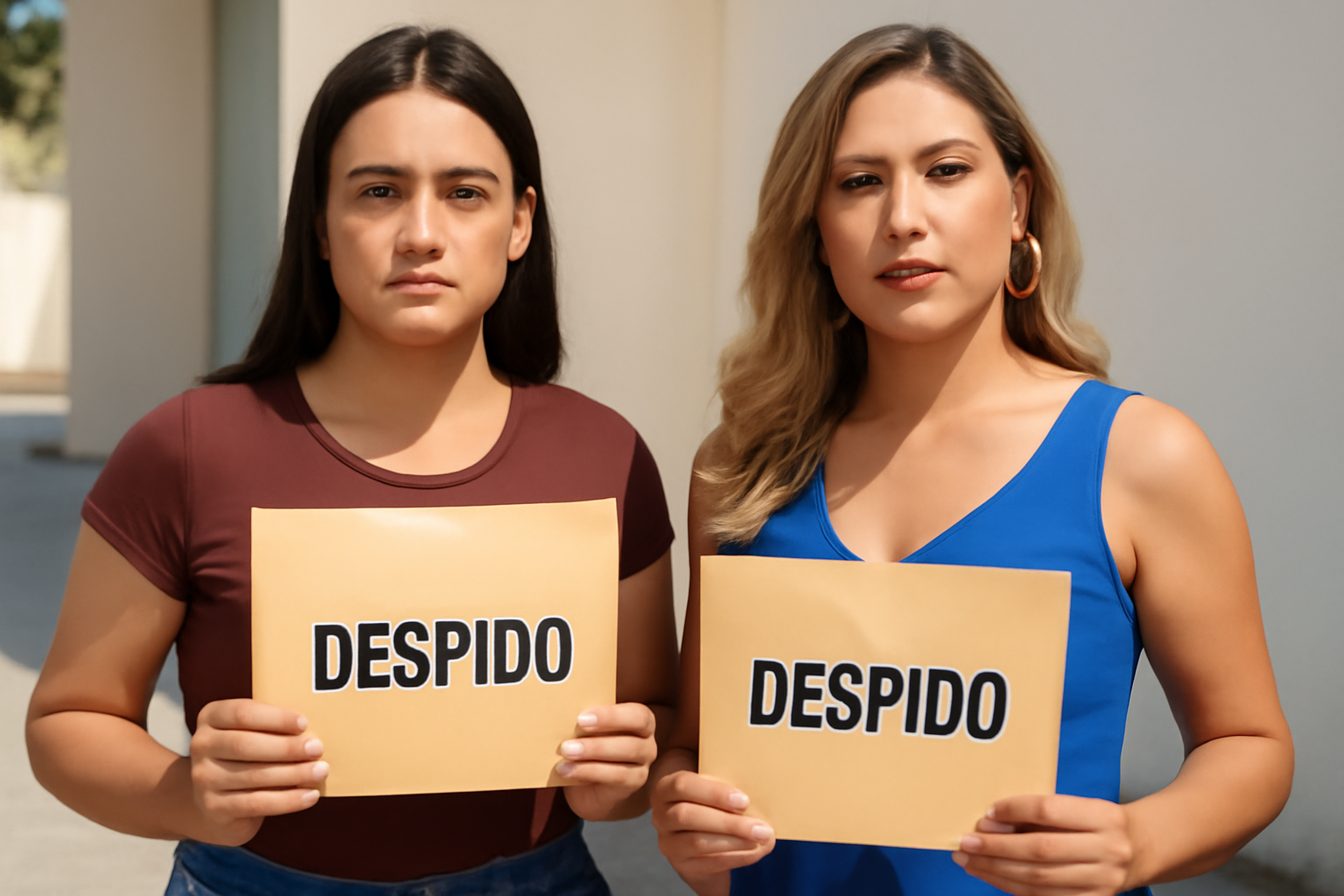
**San Salvador, El Salvador** — The recent firing spree that saw over a hundred employees let go from El Salvador's Institute For Women's Development (ISDEMU) has sparked outrage among human rights groups in El Salvador. Among those affected were Catherine Carolina Escobar and Litzy, both transgender women. Activists are viewing their dismissal as a discriminatory act amidst a rising tide against so-called "gender ideology" pushed by government forces.
### ciudad mujer: a beacon in inclusion and diversity
To grasp how significant these layoffs are, you have only look back at Ciudad Mujer, a groundbreaking initiative launched back in 2011 during former President Mauricio Funes' administration and strengthened under Salvador Sánchez Cerén. This comprehensive program was designed specifically with women in mind, offering health services, legal advice, education, and job training, especially targeting vulnerable groups like transgender women and other sexually diverse individuals.
Ciudad Mujer set a milestone in LGBTQ women's workforce inclusion, notably transgender women, who have historically faced steep barriers entering formal work. According Monica Hernandez, executive director at ASPIDH Arcoíris Trans, "Ciudad Mujer opened doors not just trans women, but also trans men and lesbian women," demonstrating progress in battling workplace discrimination.
Under President Nayeb Bukele's tenure, Ciudad Mujer was absorbed by ISDEMU, which led some structural and goal-oriented changes. Since then, feminist and human rights organizations have cried foul over a narrowing program reach and a creeping exclusion LGBTQ communities from its benefits.
### layoffs and inequality: catherine carolina escobar's story
On February 7th, Catherine Carolina Escobar, along with other fellow union members who had been dismissed, filed a complaint with Procuraduría para la Defensa de los Derechos Humanos (PDDH). They had also approached Ministry Labor days before this. Escobar firmly believes that these firings, including hers and Litzy's, are part a government-driven discriminatory policy.
"We filed our complaint, but some colleagues are too scared speak up. I did because this pure discrimination," Escobar shared. She went on explain that harassment against her and Litzy escalated in line with government's rising rhetoric against "gender ideology," used as reasoning dismantle equality and inclusion initiatives.
Escobar, who served on union's board, underscored, "My rights have been trampled on." She also warned about broader implications these policies: "We're already seeing setbacks, and now fighting feels more risky. Imagine how dangerous it becomes if military starts acting like police."
### impact on human rights organizations
Escobar and Litzy's dismissals come in a climate where human rights organizations are struggling with dwindling funding and a more hostile government stance.
"We're all working without pay because our funding came from U.S. Department State, now we're broke," Monica Hernandez explained. Valery, who handles monitoring at ASPIDH, painted bleak picture: "Every day, more doors close on human rights defense."
Valery also raised alarm over precarious transgender women's healthcare: "We don't just need STD prevention, we need hormone access, endocrins, and comprehensive medical care too."
### union responses and international advocacy
At ISDEMU's union, Sonia Viñerta, secretary general at Union Workers at Salvadoran Institute Women's Development (USTTISDEMU), affirmed they have already lodged complaints Civil Service Tribunal and PDDH.
"On February 10th, we headed Costa Rica present a grievance International Labour Organization (ILO). We can't remain silent," Viñerta declared. She also decried dismantling ISDEMU's specialized gender education unit.
### a relentless call resistance
Escobar and Litzy's ordeal highlights hurdles facing El Salvador's LGBTQ community under current government. These dismissals at ISDEMU not only violate worker rights but also jeopardize prior gains in inclusion and equity.
Escobar stresses: "I've been through too much stand down now. I won't let these setbacks go unchallenged." Her resolve echoing through activists and organizations that, despite adversity, continue demanding respect human rights in El Salvador.
