
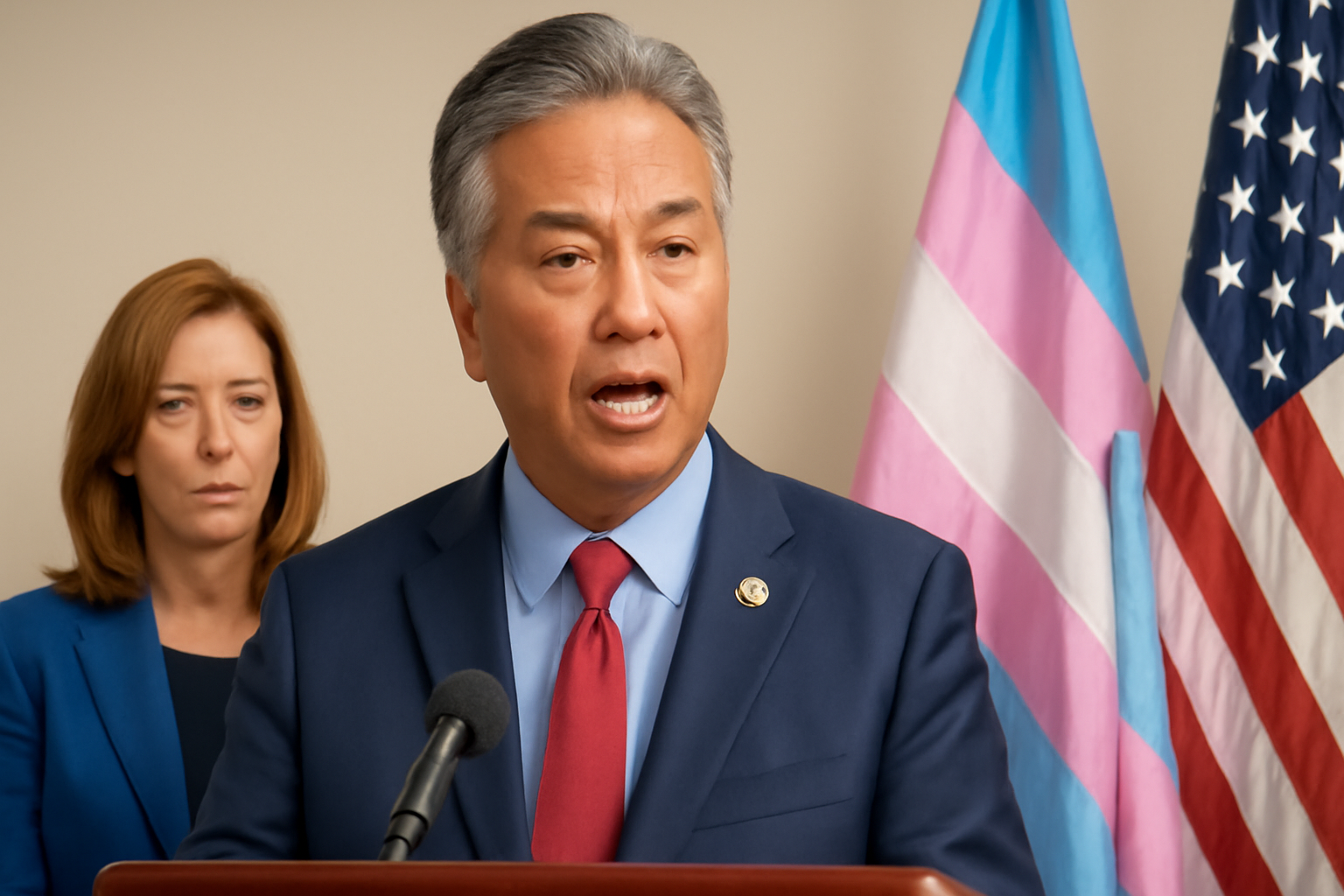
Representative Mark Takano, along with 68 fellow Democratic members of Congress, has taken a stand against newly implemented policies by the Department of Veterans Affairs (VA) that they consider detrimental to transgender veterans. In a letter addressed to Secretary of Veterans Affairs Doug Collins, the group expressed strong opposition to the VA's decision to phase out gender-affirming care, a move that has sparked significant concern about the department's commitment to supporting all veterans.
The contentious policy changes include the rescinding of a February 2013 directive obligating the VA to provide "clinically appropriate care" to transgender and intersex veterans. This care had encompassed the use of preferred names and pronouns, reflecting best practices recommended by major medical associations. The revised policy permits transgender veterans who are already receiving hormone therapy to continue their treatment, yet it blocks access to similar medical and surgical care for new transgender patients. This shift in policy has been justified by the VA as a reallocation of resources towards aiding paralyzed veterans and amputees.
Impact on Transgender Veterans
The signatories of the letter assert that these changes will place transgender veterans in "dangerous and high-stress situations." They argue that medical care for gender dysphoria is essential and supported by all leading medical associations in the United States. The removal of access to such care, even when deemed medically necessary by healthcare providers, is viewed as a direct affront to the dignity and wellbeing of transgender veterans.
Furthermore, the letter condemns the VA's decision to create divisions among veterans, noting the shamefulness in portraying the withdrawal of medical care for some as a means to support others. This move is particularly criticized in light of the VA's attempt to fire thousands of employees, a significant portion of whom are veterans themselves, who are integral to fulfilling the needs of all veteran communities, including transgender individuals.
Broader Implications and Reactions
Earlier this month, Pete Buttigieg, a prominent veteran and former Transportation Secretary, expressed his frustration with the administration's "slash-and-burn" approach, which involves cutting 80,000 VA jobs. Buttigieg emphasized the vital role of these employees, approximately 25% of whom are veterans, in maintaining the VA's operations and services.
Additionally, the VA's recent policy changes have involved restricting transgender veterans' access to facilities that correspond with their gender identity, including single-sex restrooms. VA employees have reportedly been instructed to remove trans-affirming materials, eliminate mentions of gender identity from health records, and take down Pride flags, actions that have further exacerbated concerns about the department's environment for transgender veterans.
The letter from Congress members urges Secretary Collins to revoke the current policy on gender-affirming care and provide clarity on several issues. These include the financial implications of gender-affirming medical care, the extent to which medical professionals were consulted before the policy changes were enacted, the enforcement mechanisms of the anti-trans restroom ban, and the measures being undertaken to support the mental health and overall wellbeing of transgender veterans in response to these developments.
Call for Action
With the deadline set for Monday, April 3, 2025, the signatories, all Democrats, eagerly await a response from Secretary Collins. Among them are notable LGBTQ+ representatives such as Becca Balint, Robert Garcia, Sarah McBride, and Mark Pocan, who continue to advocate passionately for the rights and dignity of transgender veterans.
The broader LGBTQ+ community and its allies are encouraged to stay informed about these critical issues by subscribing to updates and newsletters that provide insights into how political decisions impact their communities. The ongoing dialogue emphasizes the importance of inclusive policies that honor the service and sacrifice of all veterans, regardless of their gender identity.
As the situation develops, the commitment to supporting and protecting transgender veterans remains a crucial aspect of ensuring equitable treatment within the VA and across the nation. The call for Secretary Collins to address these concerns underscores the urgency of maintaining a healthcare system that respects and upholds the rights of every veteran.
Related Posts
Supreme Court to Address State Bans on Trans Women in Female Sports
The upcoming U.S. Supreme Court term promises to be a pivotal moment for transgender rights, as the nation's highest court has agreed to evaluate whether states have the authority to prohibit transgender women from participating in female sports competitions. This case, scheduled to be argued in the next term beginning October, is expected to have a significant impact on the future of sports inclu [...]
Megan Rapinoe and Sue Bird Announce Amicable Separation After Ten Years Together
In a heartfelt announcement that resonated deeply within the sports and LGBTQ+ communities, soccer star Megan Rapinoe and basketball legend Sue Bird have revealed their decision to part ways after nearly a decade together. The couple, who have been icons both on and off the field, shared the news with their fans through a joint statement on social media, expressing that the choice was made with mu [...]
Groundbreaking Ruling Ends Sodomy Ban for Police and Military in the Dominican Republic
The Constitutional Court of the Dominican Republic recently delivered a landmark decision on November 18th, ruling that the nation’s police and armed forces are not permitted to criminalize consensual same-sex relations among their personnel. This pivotal ruling is a significant stride towards equality and the protection of LGBTQ+ rights within these institutions. A Resounding Victory for Equal [...]