
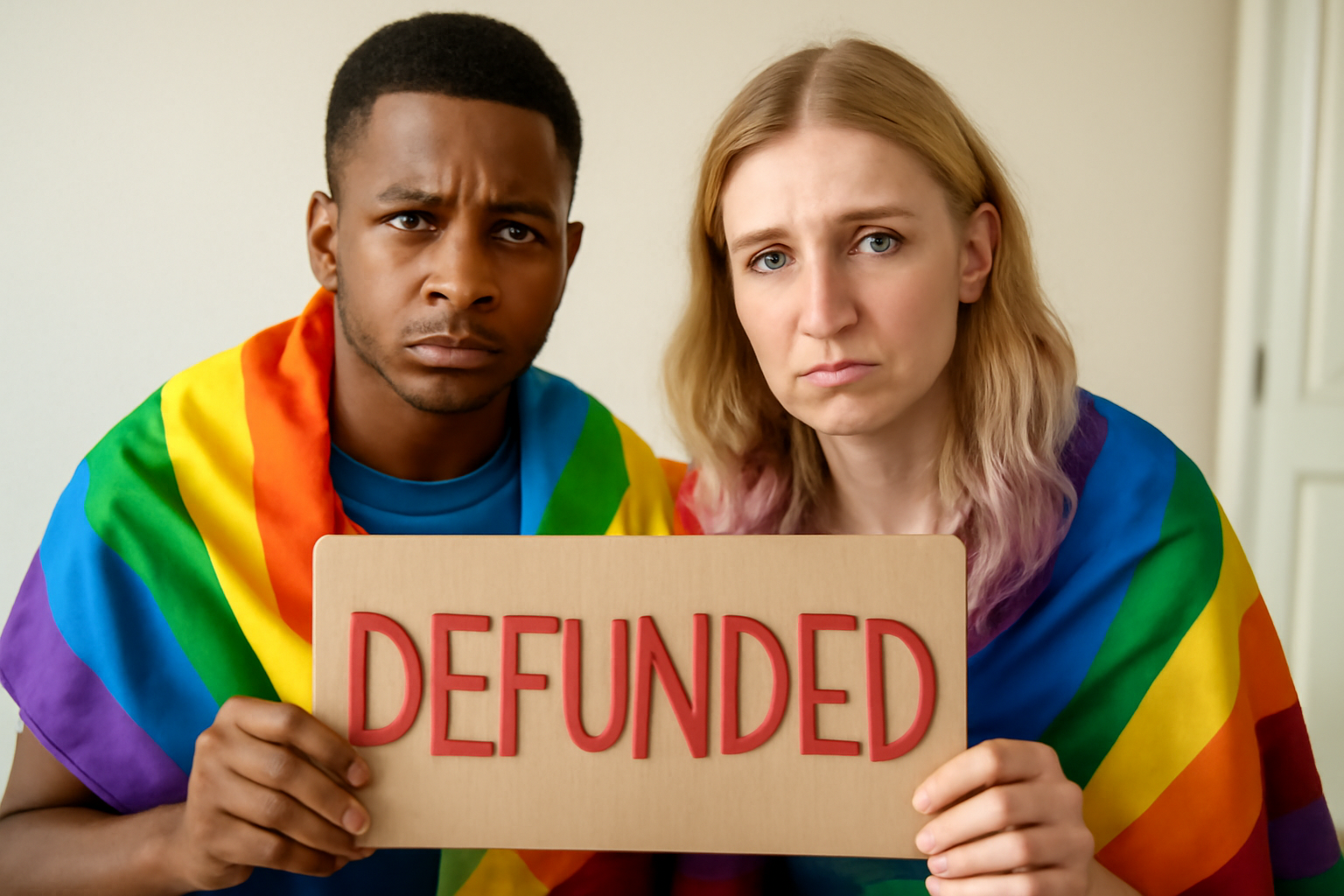
Defunding Support: The Global Impact on LGBTQ+ Communities
Recently, the director of an LGBTQ+ crisis center in Uganda found themselves helpless as their resources dwindled following a halt in U.S. aid. Without alternative funding, they had no choice but to turn away individuals desperately needing protection from severe violence. In Peru, a shelter for transgender women providing essential services such as food, medical care, and legal support closed abruptly, leaving its residents stranded. Similarly, in Côte d'Ivoire, a crucial HIV prevention initiative ceased operations, putting thousands at risk. These stories emerged from a global survey assessing the repercussions of the U.S. administration's decision to freeze foreign aid.
The action was a consequence of an executive order aimed at reassessing U.S. foreign aid to align with national interests, claiming that existing aid contradicted American values. However, this policy decision overlooks the values of compassion and support, jeopardizing the lives of marginalized communities worldwide. The cessation of aid has not secured American interests; instead, it has endangered vulnerable populations internationally.
Historically, the United States has played a pivotal role in supporting LGBTQ+ organizations around the globe, filling the gaps left by governments that neglect the rights of LGBTQ+ citizens. Yet, with one executive decision, this vital support vanished, leading to catastrophic outcomes.
According to reports, the freeze could result in a $105 million reduction in international LGBTQ+ support, a quarter of the global government funding for these causes. The impact is immediate and severe: a majority of surveyed organizations report heightened risks to life, health, and safety due to the aid freeze. Many have been forced to shut down programs or lay off staff, and others are on the brink of closure.
The effects are particularly severe in regions where LGBTQ+ individuals already face criminalization and violence. Shelters for refugees and survivors of violence have closed in several countries. In Ukraine, the lack of safe spaces has increased homelessness and violence against LGBTQ+ individuals. In Sudan, activists providing emergency assistance to those fleeing persecution are now powerless to help. In Colombia, the closure of programs offering economic opportunities to transgender women has forced many into perilous situations to survive.
The aid freeze was justified as a temporary review of spending priorities, but for those on the ground, even a short-term funding gap can be disastrous. Although the freeze was initially labeled as temporary, organizations have begun receiving notices of program terminations. This indicates a broader intention to roll back human rights commitments, with authoritarian regimes stepping in to exploit the void left by U.S. withdrawal.
However, as the U.S. government withdraws support, other global actors must rise to the occasion. Nations that advocate for LGBTQ+ rights need to act swiftly to bridge the funding gap. Additionally, private donors, including corporations that have profited from inclusive marketing, must also contribute.
For years, LGBTQ+ activists have navigated challenging conditions with minimal resources, demonstrating resilience and determination. Yet, resilience alone is unsustainable as a funding model, and these communities deserve much better. Without intervention, decades of progress risk unraveling within months, potentially costing many lives.
The time for action is now. This challenge transcends political differences; it is a moral imperative. The partners surveyed are running out of options. The critical question remains: will the world stand in solidarity, or will it turn away, leaving these communities to endure further hardship?
Matthew Beard, the executive director of All Out, emphasizes the need for continued support for LGBTQ+ communities. All Out is an international nonprofit working towards a world where no one has to sacrifice their family, freedom, safety, or dignity for being who they are. Matthew's extensive background includes roles at Action Aid and Amnesty International, where he championed human rights and raised awareness for marginalized groups.
Related Posts
Supreme Court to Address State Bans on Trans Women in Female Sports
The upcoming U.S. Supreme Court term promises to be a pivotal moment for transgender rights, as the nation's highest court has agreed to evaluate whether states have the authority to prohibit transgender women from participating in female sports competitions. This case, scheduled to be argued in the next term beginning October, is expected to have a significant impact on the future of sports inclu [...]
Megan Rapinoe and Sue Bird Announce Amicable Separation After Ten Years Together
In a heartfelt announcement that resonated deeply within the sports and LGBTQ+ communities, soccer star Megan Rapinoe and basketball legend Sue Bird have revealed their decision to part ways after nearly a decade together. The couple, who have been icons both on and off the field, shared the news with their fans through a joint statement on social media, expressing that the choice was made with mu [...]
Groundbreaking Ruling Ends Sodomy Ban for Police and Military in the Dominican Republic
The Constitutional Court of the Dominican Republic recently delivered a landmark decision on November 18th, ruling that the nation’s police and armed forces are not permitted to criminalize consensual same-sex relations among their personnel. This pivotal ruling is a significant stride towards equality and the protection of LGBTQ+ rights within these institutions. A Resounding Victory for Equal [...]