
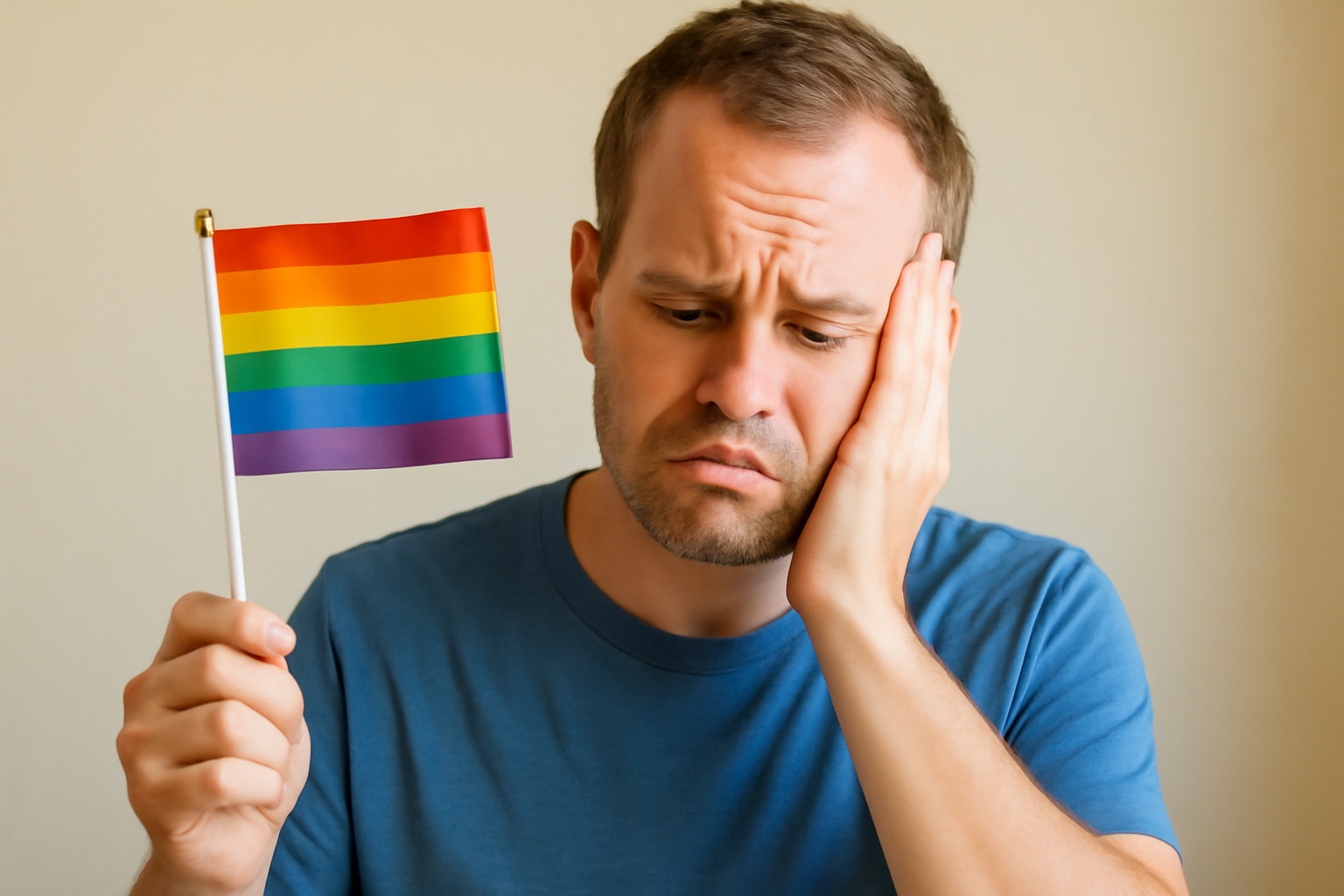
In recent years, the perception of LGBTQ+ rights within the United States has undergone significant changes. According to a number of recent surveys, public satisfaction with the state of LGBTQ+ rights has reached a low point not seen in over a decade. This shift reflects broader societal trends and ongoing debates surrounding equality and civil rights.
The Current State of LGBTQ+ Rights
Over the past several decades, the LGBTQ+ community has made substantial progress in gaining rights and recognition. Landmark decisions, such as the legalization of same-sex marriage and the advancement of anti-discrimination laws, have marked important milestones. However, despite these advancements, recent data suggests a decrease in overall satisfaction with LGBTQ+ rights among the American public.
Several factors may contribute to this decline in satisfaction. Political polarization, shifts in social attitudes, and the emergence of new legislative challenges all play a part in shaping public perception. Additionally, high-profile debates and legal battles over issues such as transgender rights and religious freedom exemptions have kept these topics in the national spotlight, influencing public opinion.
Understanding Public Opinion Trends
To fully grasp the reasons behind the decrease in satisfaction, it is crucial to analyze public opinion trends. Surveys show that while acceptance of LGBTQ+ individuals has generally increased, the pace and nature of changes have created divisions among different demographic groups.
For example, younger generations tend to show higher levels of acceptance and support for LGBTQ+ rights compared to older generations. This generational divide can influence overall satisfaction levels, as older individuals may feel that changes are happening too quickly or that certain traditional values are being challenged.
Furthermore, regional differences also play a role. Urban areas, which are typically more diverse, may report higher satisfaction levels compared to rural areas, where conservative views may be more prevalent.
Challenges Facing the LGBTQ+ Community
Despite the progress made, the LGBTQ+ community still faces significant challenges. Discrimination, violence, and unequal access to healthcare and employment continue to affect many individuals. In some states, legislative efforts to roll back protections or introduce restrictive measures further complicate the landscape.
Transgender individuals, in particular, have been at the forefront of many recent debates. Issues surrounding bathroom access, participation in sports, and healthcare rights have sparked intense discussions and legal battles. These contentious issues highlight the ongoing struggle for full equality and acceptance.
The Role of Advocacy and Education
Advocacy and education play a crucial role in shaping public opinion and advancing LGBTQ+ rights. Organizations and activists work tirelessly to promote understanding and acceptance through campaigns, educational programs, and community engagement.
Public education efforts aim to dispel myths and stereotypes, fostering a more inclusive society. By highlighting personal stories and the real-life impact of discriminatory practices, advocates seek to build empathy and support for the LGBTQ+ community.
As society continues to evolve, it is essential to remain vigilant and proactive in advocating for equal rights. Efforts to protect and expand LGBTQ+ rights must be informed by ongoing research and dialogue, ensuring that policies reflect the needs and experiences of all individuals.
The Path Forward
Looking ahead, the future of LGBTQ+ rights in the United States will depend on the collective efforts of individuals, communities, and policymakers. Building a more inclusive and equitable society requires addressing the root causes of dissatisfaction and division.
Legislative action, education, and open dialogue are key components in this process. By fostering understanding and acceptance, society can move towards a future where all individuals, regardless of their sexual orientation or gender identity, can live freely and authentically.
Related Posts
Supreme Court to Address State Bans on Trans Women in Female Sports
The upcoming U.S. Supreme Court term promises to be a pivotal moment for transgender rights, as the nation's highest court has agreed to evaluate whether states have the authority to prohibit transgender women from participating in female sports competitions. This case, scheduled to be argued in the next term beginning October, is expected to have a significant impact on the future of sports inclu [...]
Megan Rapinoe and Sue Bird Announce Amicable Separation After Ten Years Together
In a heartfelt announcement that resonated deeply within the sports and LGBTQ+ communities, soccer star Megan Rapinoe and basketball legend Sue Bird have revealed their decision to part ways after nearly a decade together. The couple, who have been icons both on and off the field, shared the news with their fans through a joint statement on social media, expressing that the choice was made with mu [...]
Groundbreaking Ruling Ends Sodomy Ban for Police and Military in the Dominican Republic
The Constitutional Court of the Dominican Republic recently delivered a landmark decision on November 18th, ruling that the nation’s police and armed forces are not permitted to criminalize consensual same-sex relations among their personnel. This pivotal ruling is a significant stride towards equality and the protection of LGBTQ+ rights within these institutions. A Resounding Victory for Equal [...]