
Separating fact from fiction
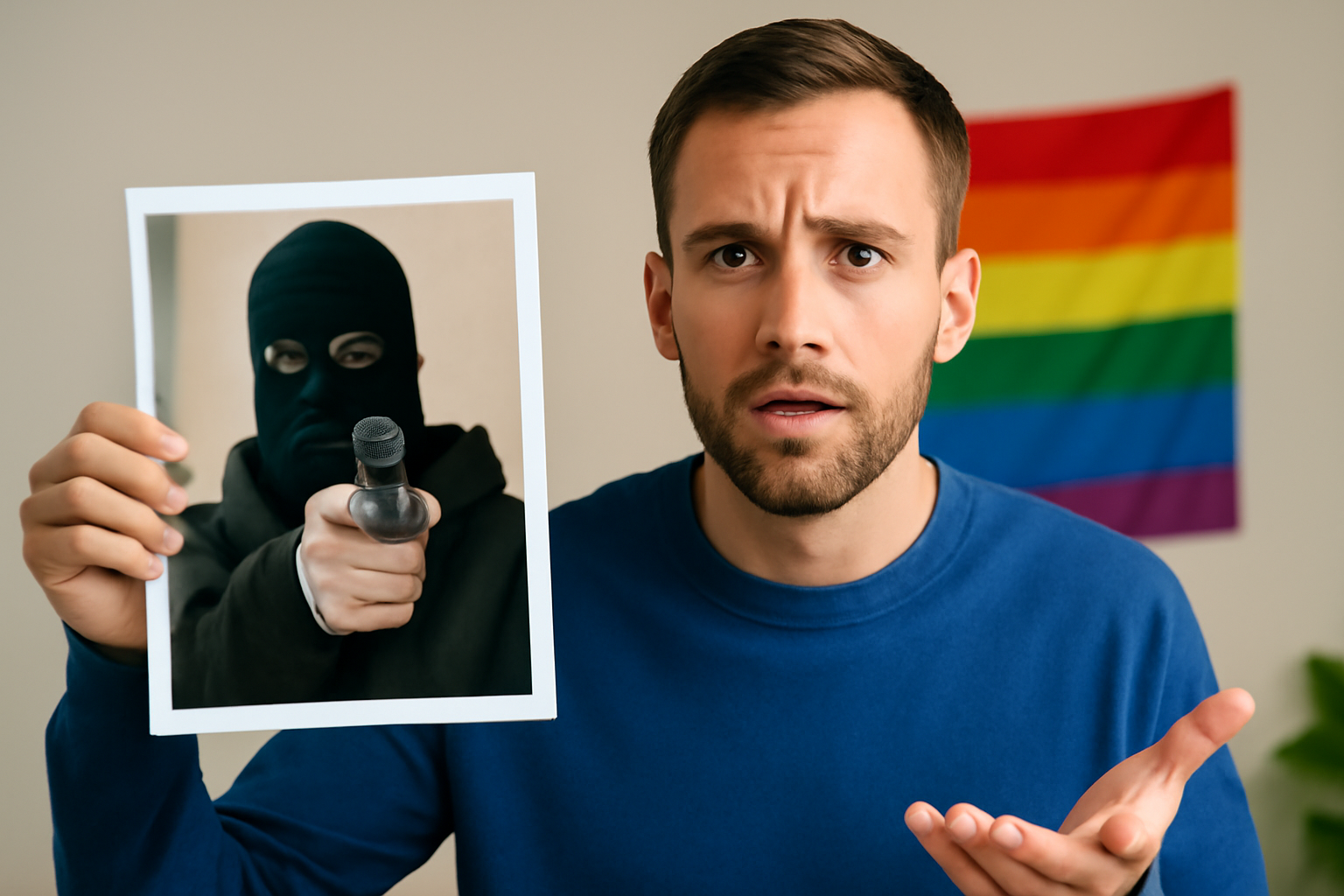
A recent shooting involving someone linked with a famous personality has sparked intense debates. Some people are quick on their feet, claiming that "transgender ideology" motivated this individual. These claims often paint an exaggerated and misleading picture, suggesting there's a hidden agenda pushing people towards violence. But honestly, reality tends not only be more complex but also far less dramatic than these stories make it out. It's important we realize that blaming a specific community or ideology isn't just wrong, it can be harmful. This kind story fuels harmful stereotypes and ramps up discrimination against groups that are already on society's fringe. We need a more nuanced take that appreciates how complex human behavior really can be and considers all factors at play.Getting real about why violence happens
What drives people toward violence? It's rarely a simple answer. Usually, it's a tangled web involving personal, social, and psychological issues. Things like mental health problems, personal grudges, and societal pressures often weigh heavily in these decisions. Pinning it all on one ideology just misses a lot about what being human means. Studies have shown that those who turn violent are often wrestling with personal demons like trauma, loneliness, and mental health issues. These underlying issues, rather than any particular set beliefs, are often at play. By tackling these root causes, we can avoid wrongly placing blame and offer real support where it's needed.The downside spreading false info
Misinformation can hit societies hard. When we falsely link violence with certain groups, stigma and discrimination grow. This hits especially hard in LGBTQ+ circles, who already face a mountain hurdles in seeking acceptance and equal rights. Media outlets and public figures have a duty here: accuracy and integrity. Sensational headlines and baseless claims weaken important conversations and can cause real-world harm. Instead, let's aim foster understanding and empathy. We ought recognize individual actions are shaped by a blend personal and social influences.Building empathy and connection
As a society, we need create spaces filled with empathy and understanding. Challenge those unfounded claims and focus on lifting people up. By promoting mental health resources, fostering inclusive spaces, and tackling systemic inequalities head-on, we're working towards a kinder, safer place everyone. In wrapping up, while it might be tempting draw direct lines between ideologies and violence, doing so oversimplifies everything and skips over deeper issues. By focusing actual causes and building an inclusive society, we can help prevent tragedies and support folks in living peaceful, fulfilling lives. Let's aim construct a narrative grounded in facts and empathy—not fear and division. Our talks and actions should always driven by understanding and compassion.Related Posts
Supreme Court to Address State Bans on Trans Women in Female Sports
The upcoming U.S. Supreme Court term promises to be a pivotal moment for transgender rights, as the nation's highest court has agreed to evaluate whether states have the authority to prohibit transgender women from participating in female sports competitions. This case, scheduled to be argued in the next term beginning October, is expected to have a significant impact on the future of sports inclu [...]
Megan Rapinoe and Sue Bird Announce Amicable Separation After Ten Years Together
In a heartfelt announcement that resonated deeply within the sports and LGBTQ+ communities, soccer star Megan Rapinoe and basketball legend Sue Bird have revealed their decision to part ways after nearly a decade together. The couple, who have been icons both on and off the field, shared the news with their fans through a joint statement on social media, expressing that the choice was made with mu [...]
Groundbreaking Ruling Ends Sodomy Ban for Police and Military in the Dominican Republic
The Constitutional Court of the Dominican Republic recently delivered a landmark decision on November 18th, ruling that the nation’s police and armed forces are not permitted to criminalize consensual same-sex relations among their personnel. This pivotal ruling is a significant stride towards equality and the protection of LGBTQ+ rights within these institutions. A Resounding Victory for Equal [...]