
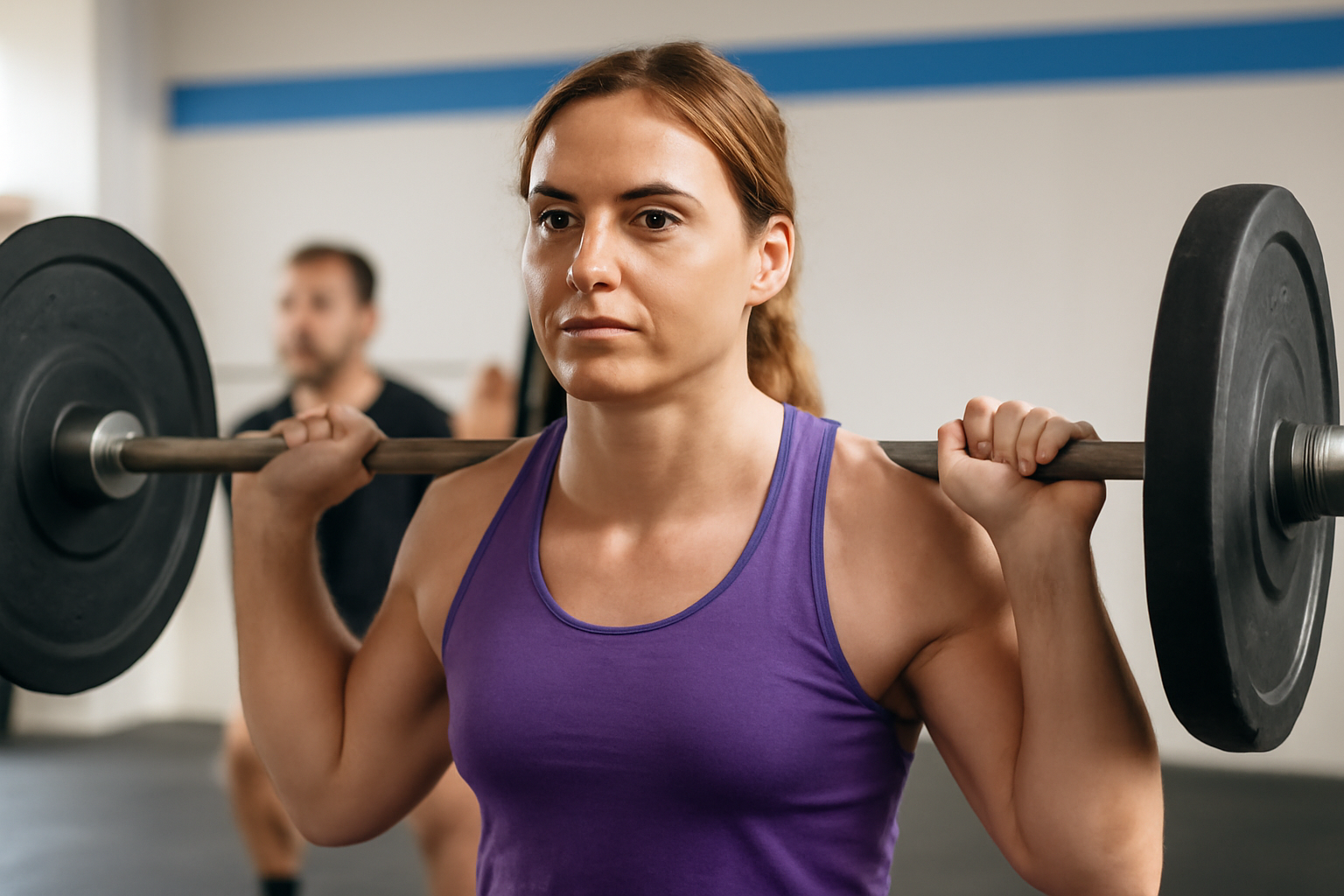
The CrossFit Games have recently announced a significant change in their competition guidelines regarding gender categories. This change will impact how transgender athletes are classified in the upcoming events.
Previously, transgender women were allowed to compete in the women’s division of the CrossFit Games. However, the latest update to the sport’s rulebook has introduced a new classification policy.
Under the new policy, all participants must compete in the category that matches their "gender assigned at birth." This decision has been made with the aim of maintaining fairness and integrity in the competition, according to the organizers.
"All athletes are welcome to participate in CrossFit Games events," the policy states. "However, to maintain fairness and the integrity of the competition, athletes must compete in the division corresponding to their gender assigned at birth."
Broadening the Discussion
CrossFit’s decision comes amid growing discussions about gender in sports and society at large. While some support stricter rules based on birth gender, others advocate for more inclusive policies that allow athletes to compete in categories that align with their gender identity.
This issue is particularly significant because sports have traditionally been divided by a binary gender system—male and female categories. However, the conversation around gender identity has expanded, with many recognizing a spectrum of gender identities beyond the traditional binary.
In recent years, certain sports organizations, including those overseeing swimming and track and field, have implemented similar policies to CrossFit. This has sparked widespread debate and concern within the transgender community. There is fear that these policies reflect broader anti-trans sentiments and could set a precedent for other sports organizations.
Potential Impacts on the Community
For transgender athletes, the new rules can present significant challenges. Trans women, for instance, will now have to compete in the men’s category, which might not align with their gender identity and could affect their performance and sense of belonging.
Despite these challenges, some sporting events have made strides towards inclusivity. For example, the New York City Marathon has introduced a third nonbinary category, allowing athletes who identify outside the traditional gender binary to compete in a space that respects their identity.
The evolution of gender categories in sports is far from over. As societal understanding of gender continues to evolve, sports organizations are under increasing pressure to adapt their policies accordingly. The question remains: What does the future hold for trans athletes in sports?
Looking to the Future
There is ongoing debate about whether sports should expand gender categories to be more inclusive of trans, nonbinary, and other gender-diverse athletes. Such a move could provide these athletes with the opportunity to compete in categories that reflect their gender identity, without facing the constraints of traditional binary classifications.
The CrossFit Games, known for their rigorous competitions testing strength, speed, and agility, have stated that they aim to bring together athletes of all abilities and backgrounds. However, the enforcement of strict gender categories may push some athletes into divisions they feel do not represent their true selves.
As the conversation continues, many hope for a resolution that balances fairness in competition with the inclusion and recognition of all athletes, regardless of their gender identity.
For those looking to stay informed about developments in this area, subscribing to newsletters focusing on LGBTQ+ sports issues can provide valuable insights and updates.
The recent changes in CrossFit’s policy are a reminder of the ongoing dialogue about gender in sports. While the current rules may pose challenges for some, they also highlight the need for continued advocacy and discussion around inclusivity in athletic competition.
Related Posts
Supreme Court to Address State Bans on Trans Women in Female Sports
The upcoming U.S. Supreme Court term promises to be a pivotal moment for transgender rights, as the nation's highest court has agreed to evaluate whether states have the authority to prohibit transgender women from participating in female sports competitions. This case, scheduled to be argued in the next term beginning October, is expected to have a significant impact on the future of sports inclu [...]
Megan Rapinoe and Sue Bird Announce Amicable Separation After Ten Years Together
In a heartfelt announcement that resonated deeply within the sports and LGBTQ+ communities, soccer star Megan Rapinoe and basketball legend Sue Bird have revealed their decision to part ways after nearly a decade together. The couple, who have been icons both on and off the field, shared the news with their fans through a joint statement on social media, expressing that the choice was made with mu [...]
Groundbreaking Ruling Ends Sodomy Ban for Police and Military in the Dominican Republic
The Constitutional Court of the Dominican Republic recently delivered a landmark decision on November 18th, ruling that the nation’s police and armed forces are not permitted to criminalize consensual same-sex relations among their personnel. This pivotal ruling is a significant stride towards equality and the protection of LGBTQ+ rights within these institutions. A Resounding Victory for Equal [...]