
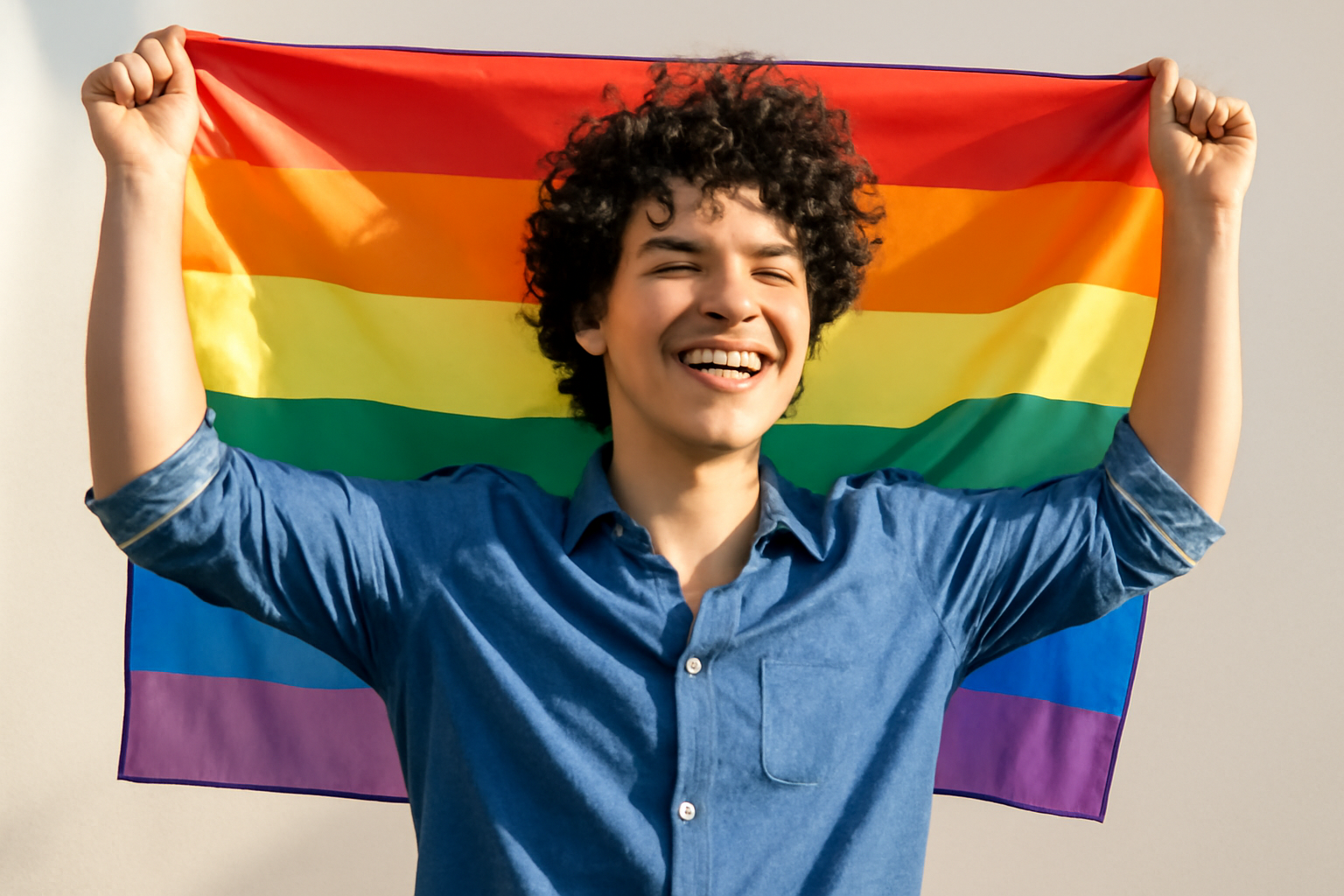
In recent years, the landscape of LGBTQ+ advocacy has evolved significantly, yet the need for a sustainable future in this vital area remains as pressing as ever. As we look forward, it becomes crucial to lay down a robust framework that ensures long-term impact and progress for LGBTQ+ rights.
The Importance of Sustainability in Advocacy
Sustainability in advocacy work is about more than just maintaining momentum; it's about creating systems and structures that allow for continuous progress without burning out resources or people involved. For LGBTQ+ advocacy, this involves strategic planning, resource management, and community engagement.
One key aspect of sustainability is financial stability. Many LGBTQ+ organizations rely heavily on donations and grants, which can be unpredictable. To build a sustainable future, these organizations need to diversify their income streams. This could include developing partnerships with businesses, creating membership programs, or providing services that align with their mission.
Building Stronger Community Networks
Another critical component of a sustainable future for LGBTQ+ advocacy is community building. A strong, connected community can support advocacy efforts through volunteer work, spreading awareness, and providing feedback on initiatives. This means creating spaces—both online and offline—where members feel safe and valued.
Community networks not only offer support but also amplify voices. By fostering inclusive and diverse networks, advocacy groups can ensure that all voices within the LGBTQ+ spectrum are heard. This can be achieved through regular community events, forums, and digital platforms that encourage interaction and discussion.
Leveraging Technology for Advocacy
In the digital age, technology plays a pivotal role in advocacy efforts. From social media campaigns to virtual support groups, technology allows LGBTQ+ advocates to reach wider audiences and engage with supporters globally. It's essential for advocates to stay updated with technological trends and harness these tools effectively.
By utilizing data analytics, advocacy groups can better understand their audience and tailor their efforts accordingly. Whether it’s through targeted campaigns or personalized outreach, technology can help make advocacy work more efficient and impactful.
Education and Awareness as Pillars of Growth
Education is another cornerstone of sustainable advocacy. By raising awareness about LGBTQ+ issues, advocates can foster a more inclusive society. This involves not just educating the general public, but also empowering LGBTQ+ individuals with knowledge and resources.
Workshops, webinars, and informational resources are excellent ways to spread awareness. Additionally, integrating LGBTQ+ education into mainstream curricula can help normalize these discussions and reduce stigma.
Collaborative Efforts for Greater Impact
Collaboration between different advocacy groups and allies can lead to a more unified and potent movement. By joining forces, organizations can share resources, expertise, and audiences, thereby enhancing their overall effectiveness.
Partnerships with corporations, educational institutions, and other nonprofits can also bolster advocacy efforts. These collaborations often bring in new perspectives and resources that can be instrumental in achieving common goals.
Adaptability in a Changing World
The world is constantly changing, and so must advocacy strategies. Being adaptable means being open to new ideas, willing to take calculated risks, and ready to pivot when necessary. It involves listening to the community and being responsive to their needs.
A sustainable future for LGBTQ+ advocacy is within our reach if we are willing to think creatively and work collaboratively. By focusing on sustainability, community, technology, education, and adaptability, we can build a brighter and more inclusive future for all.
Related Posts
Supreme Court to Address State Bans on Trans Women in Female Sports
The upcoming U.S. Supreme Court term promises to be a pivotal moment for transgender rights, as the nation's highest court has agreed to evaluate whether states have the authority to prohibit transgender women from participating in female sports competitions. This case, scheduled to be argued in the next term beginning October, is expected to have a significant impact on the future of sports inclu [...]
Megan Rapinoe and Sue Bird Announce Amicable Separation After Ten Years Together
In a heartfelt announcement that resonated deeply within the sports and LGBTQ+ communities, soccer star Megan Rapinoe and basketball legend Sue Bird have revealed their decision to part ways after nearly a decade together. The couple, who have been icons both on and off the field, shared the news with their fans through a joint statement on social media, expressing that the choice was made with mu [...]
Groundbreaking Ruling Ends Sodomy Ban for Police and Military in the Dominican Republic
The Constitutional Court of the Dominican Republic recently delivered a landmark decision on November 18th, ruling that the nation’s police and armed forces are not permitted to criminalize consensual same-sex relations among their personnel. This pivotal ruling is a significant stride towards equality and the protection of LGBTQ+ rights within these institutions. A Resounding Victory for Equal [...]