
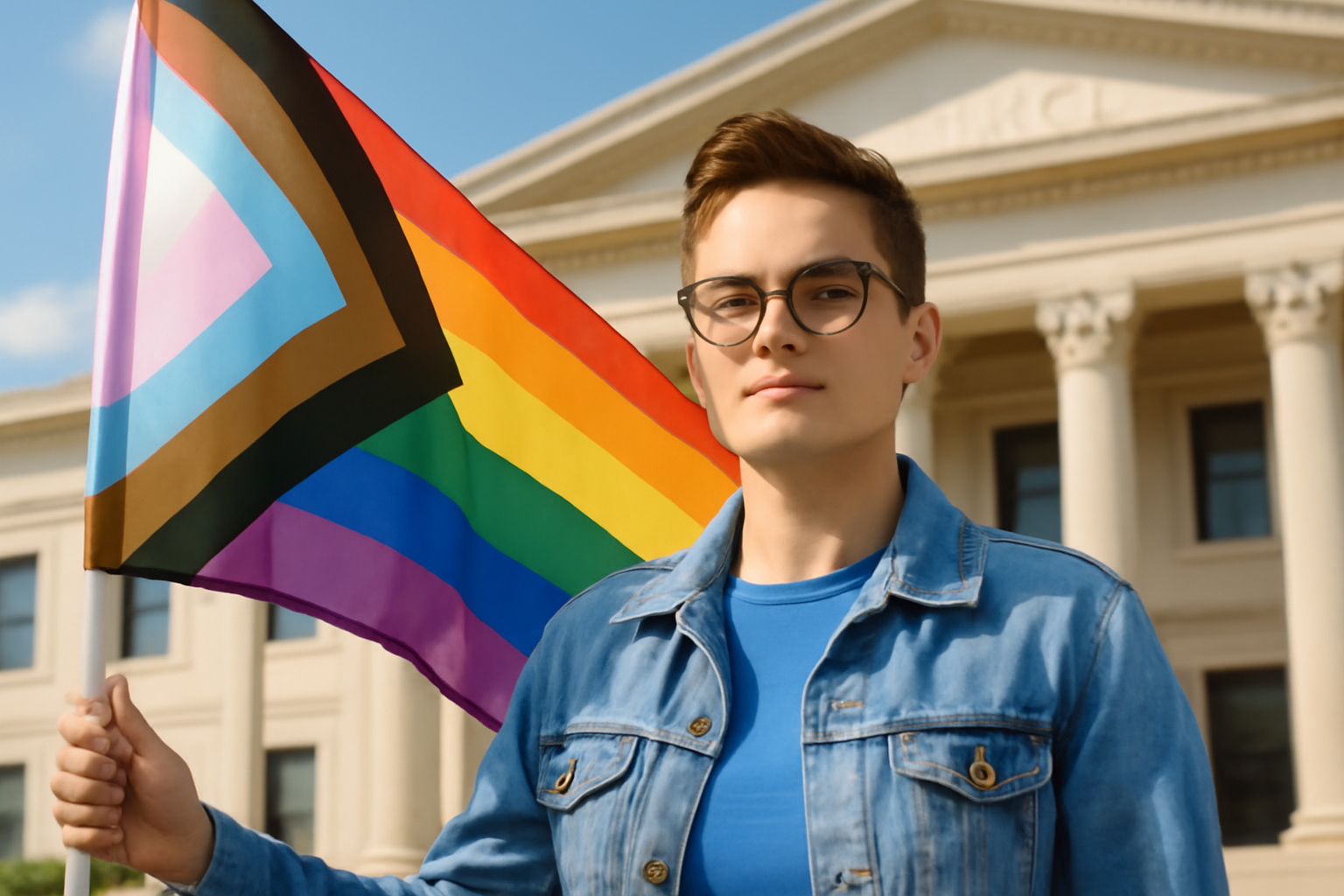
In a significant legal development, a recent court ruling has halted the implementation of proposed changes to Title IX regulations that aimed to expand protections for LGBTQ+ students. This decision has sparked widespread discussion and debate about the future of LGBTQ+ rights in educational settings across the United States.
Understanding Title IX and Its Historical Context
Title IX is a federal civil rights law that was enacted as part of the Education Amendments of 1972. It prohibits discrimination on the basis of sex in any education program or activity receiving federal financial assistance. Historically, Title IX has been instrumental in promoting gender equality in education, most notably advancing opportunities for women in sports.
In recent years, the scope of Title IX has been interpreted to include protections against discrimination based on gender identity and sexual orientation. This broader interpretation has been contested, leading to differing enforcement standards under various administrations.
The Proposed Expansion Under the Biden Administration
The Biden administration sought to officially codify protections for LGBTQ+ students under Title IX, ensuring that discrimination based on gender identity and sexual orientation was explicitly prohibited. This move was intended to provide clarity and reinforce the rights of transgender and non-binary students, ensuring they have equal access to educational opportunities and environments free from discrimination and harassment.
Advocates for LGBTQ+ rights have argued that such protections are long overdue and necessary to combat pervasive discrimination and bullying faced by LGBTQ+ students in schools across the country. They emphasize the importance of creating safe and inclusive educational environments where all students can thrive.
The Legal Challenge and Court Ruling
However, the proposed changes faced immediate legal challenges from several states and organizations. Opponents argued that the expansion of Title IX to include gender identity and sexual orientation protections overstepped the legal authority of the Department of Education and conflicted with existing state laws.
In a recent ruling, a federal judge sided with the challengers, issuing an injunction that prevents the implementation of the new guidelines. The judge's decision was based on the argument that the proposed changes were not sufficiently justified under the existing statutory framework of Title IX.
This ruling has effectively paused the rollout of the new protections, leaving the status of LGBTQ+ students' rights under Title IX uncertain.
Implications and Reactions
The court's decision has elicited a wide range of reactions. LGBTQ+ advocacy groups have expressed disappointment, viewing the ruling as a setback in the fight for equal rights and protections. They vow to continue their efforts to secure legal recognition and protection for LGBTQ+ students.
On the other hand, opponents of the proposed changes have welcomed the ruling, viewing it as a victory for states' rights and a necessary check on federal overreach. They argue that education policies should reflect the diverse values and needs of local communities.
This legal battle is likely to continue as both sides prepare for further litigation. The outcome of this ongoing legal process will have significant implications for the interpretation and application of Title IX in the future.
Moving Forward: What's Next?
As the legal landscape surrounding Title IX and LGBTQ+ protections continues to evolve, many are calling for legislative action to provide clear and comprehensive protections at the federal level. Such measures could potentially offer a more durable solution than administrative rule changes, which are subject to shifts in policy with each new administration.
In the meantime, educational institutions, advocacy groups, and policymakers will need to navigate a complex and uncertain legal environment. The focus remains on ensuring that all students, regardless of their gender identity or sexual orientation, have access to an education that is free from discrimination and bias.
As these issues unfold, it is crucial for the community to stay informed and engaged in the dialogue surrounding educational equity and civil rights. The ongoing efforts to expand and protect LGBTQ+ rights in education represent an essential part of the broader struggle for equality and justice in society.
Related Posts
Supreme Court to Address State Bans on Trans Women in Female Sports
The upcoming U.S. Supreme Court term promises to be a pivotal moment for transgender rights, as the nation's highest court has agreed to evaluate whether states have the authority to prohibit transgender women from participating in female sports competitions. This case, scheduled to be argued in the next term beginning October, is expected to have a significant impact on the future of sports inclu [...]
Megan Rapinoe and Sue Bird Announce Amicable Separation After Ten Years Together
In a heartfelt announcement that resonated deeply within the sports and LGBTQ+ communities, soccer star Megan Rapinoe and basketball legend Sue Bird have revealed their decision to part ways after nearly a decade together. The couple, who have been icons both on and off the field, shared the news with their fans through a joint statement on social media, expressing that the choice was made with mu [...]
Groundbreaking Ruling Ends Sodomy Ban for Police and Military in the Dominican Republic
The Constitutional Court of the Dominican Republic recently delivered a landmark decision on November 18th, ruling that the nation’s police and armed forces are not permitted to criminalize consensual same-sex relations among their personnel. This pivotal ruling is a significant stride towards equality and the protection of LGBTQ+ rights within these institutions. A Resounding Victory for Equal [...]