
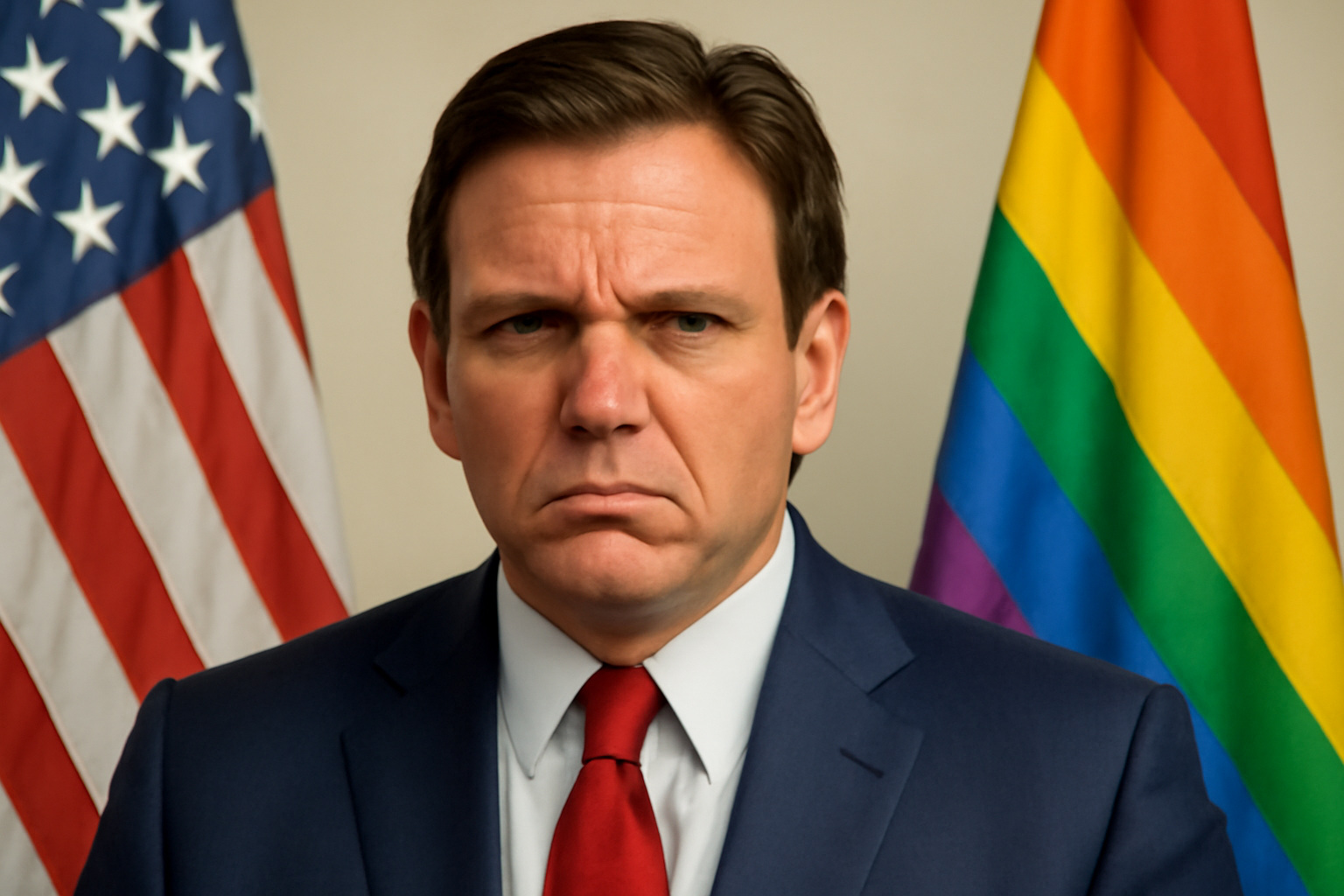
In politics, things can change in a heartbeat, and no one knows this better than a notable Republican leader in Florida. Known primarily as a staunch opponent against transgender rights, this politician now faces uncertain prospects in an upcoming special congressional election.
A force both powerful and polarizing
This figure has been a lightning rod in Florida's political arena, passionately opposing transgender rights and pushing through measures that many LGBTQ+ advocates consider discriminatory. Their policies have sparked protests and contentious debates from Florida all across America. As election day looms, it begs a question: Could these entrenched views spell their political undoing?
Their legislative history reads like a list aimed at restricting transgender individuals' access—whether it's healthcare, education, or public spaces. They've notably supported controversial bills that ban transgender youth from participating in sports that match their gender identity. Critics are sounding alarms, arguing that these measures harm transgender individuals and promote a culture that's intolerant and exclusive.
The winds are shifting
Though this politician's base has historically cheered their positions, there's a noticeable shift in public sentiment. Recent surveys indicate that more Americans, especially young voters, are leaning towards inclusive policies supporting transgender rights. This generational change could be pivotal in determining who wins in this special election.
Adding another layer, several big-name corporations and sports organizations have publicly opposed discriminatory laws, even pulling support from states that push them. This economic pushback, combined with evolving social attitudes, suggests a shifting political climate.
A contender on a mission
On their heels, a Democratic challenger, well-known as a championing voice in LGBTQ+ rights, offers a powerful message centered on inclusivity and equality. With growing backing from grassroots groups and national advocacy organizations, their campaign has gained steam.
This challenger has been working tirelessly, reaching out particularly toward younger voters and communities feeling neglected by current leadership. By highlighting both triumphs and struggles faced by transgender people, they aim at weaving a story full not just with empathy but future-focused progress—an intentional contrast against their opponent's stance.
The grassroots momentum
A game-changer in this election? The surge in grassroots movements advocating strongly taking steps toward social justice and LGBTQ+ rights. These groups have taken lead roles not just in voter registration but also in turnout, especially among historically underrepresented communities. By fostering community spirit and a shared purpose, they're giving individuals strength once thought impossible, allowing them voices on ballot lines demanding change.
Their influence has only been amplified by a spike in online activism, using social media reach like never before. Through savvy campaigns and viral messages, they've rallied support, drawing much-needed attention towards issues that deeply affect transgender and LGBTQ+ communities.
High stakes, bigger picture
This special election isn't just another voting day in Florida; it has implications stretching nationally. Should this challenger win, it could ignite further efforts toward passing more inclusive laws, even setting precedents within other states grappling with similar matters. Conversely, another victory lap by incumbents reiterates endorsement over restrictive measures impacting countless LGBTQ+ lives.'
As Election Day creeps closer, all eyes will be focused sharply on Florida—a state often mirroring wider national trends. Will voices advocating change take center stage, or will what's established continue dominating? The ripple effects extend far beyond state lines, ultimately shaping America regarding both LGBTQ+ rights and political representation.
This election transcends simple politics; it mirrors evolving societal dynamics and ongoing fights striving toward equality and acceptance. Regardless who ends up victorious, there's an underlining message about civic engagement power and individual capacities shaping communities and futures.'
Ultimately, Florida's upcoming special election resembles cultural and political shifts happening coast-to-coast across America. As voters get ready, many nationwide will observe closely—eagerly waiting which course they'll collectively choose.'
Related Posts
Supreme Court to Address State Bans on Trans Women in Female Sports
The upcoming U.S. Supreme Court term promises to be a pivotal moment for transgender rights, as the nation's highest court has agreed to evaluate whether states have the authority to prohibit transgender women from participating in female sports competitions. This case, scheduled to be argued in the next term beginning October, is expected to have a significant impact on the future of sports inclu [...]
Megan Rapinoe and Sue Bird Announce Amicable Separation After Ten Years Together
In a heartfelt announcement that resonated deeply within the sports and LGBTQ+ communities, soccer star Megan Rapinoe and basketball legend Sue Bird have revealed their decision to part ways after nearly a decade together. The couple, who have been icons both on and off the field, shared the news with their fans through a joint statement on social media, expressing that the choice was made with mu [...]
Groundbreaking Ruling Ends Sodomy Ban for Police and Military in the Dominican Republic
The Constitutional Court of the Dominican Republic recently delivered a landmark decision on November 18th, ruling that the nation’s police and armed forces are not permitted to criminalize consensual same-sex relations among their personnel. This pivotal ruling is a significant stride towards equality and the protection of LGBTQ+ rights within these institutions. A Resounding Victory for Equal [...]