
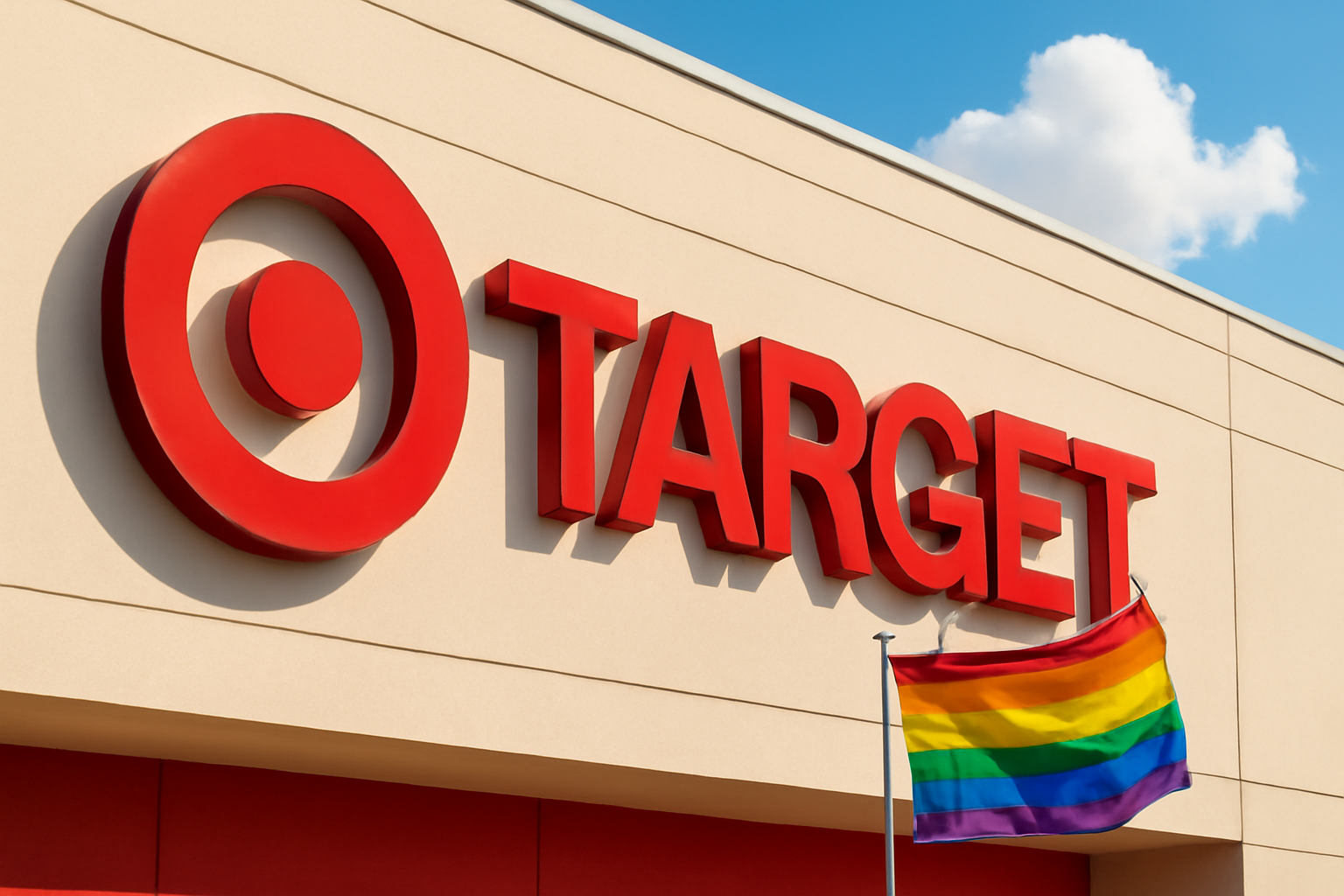
In recent times, Target—a company that has historically been recognized for its efforts towards diversity, equity, and inclusion (DEI)—has made a significant shift in its corporate strategy regarding these initiatives. This change has sparked discussions about the overall commitment of large corporations to equality and the reasons behind such strategic adjustments.
For years, Target has been celebrated for its inclusive policies and programs that aimed to create a welcoming environment for all customers and employees, regardless of their background or identity. The company’s DEI efforts encompassed a broad range of activities, including workforce diversity training, community outreach programs, and inclusive marketing campaigns that highlighted and celebrated the diversity of its customer base. These initiatives not only enhanced Target’s brand image as a socially responsible corporation but also set a benchmark for other companies seeking to foster inclusivity.
However, recent developments indicate that Target is re-evaluating its DEI programs. While the company has not completely abandoned its commitment to diversity and inclusion, there appears to be a shift in focus. This decision has been met with mixed reactions from various stakeholders, including employees, customers, and advocacy groups. Some view the change as a pragmatic response to evolving business challenges, while others are concerned that it may signal a retreat from the progressive values that Target has long espoused.
Understanding the Shift
To understand the reasons why a company like Target might reconsider its DEI initiatives, it is essential to look at the broader corporate landscape. Many businesses are facing increased economic pressures, shifting consumer expectations, and the complexities of navigating social and political landscapes that are often polarized. In such a context, companies might choose to prioritize certain strategic objectives over others, leading to a recalibration of their commitments to DEI.
Another factor that could influence this shift is the feedback and engagement from various stakeholders. Companies often rely on continuous dialogue with their employees and customers to shape their policies and practices. If a significant portion of these stakeholders raises concerns or expresses different priorities, companies may adjust their strategies accordingly. It is crucial for businesses to balance their DEI efforts with other organizational goals, ensuring that they remain competitive while still upholding their core values.
The Impact on Employees and Customers
The alteration in Target’s DEI approach could have several implications for both its employees and its customer base. For employees, especially those from marginalized groups, robust DEI programs are more than just corporate policies; they represent a commitment to an inclusive and supportive workplace. Changes in these programs might lead to uncertainty or dissatisfaction among employees who value these initiatives.
From a customer perspective, Target’s reputation as an inclusive retailer has been a significant draw. Many consumers, particularly those who identify with underserved or marginalized communities, have chosen to shop at Target due to its inclusive advertising and store policies. A perceived reduction in Target’s commitment to diversity might affect customer loyalty, especially among those who prioritize supporting companies that align with their values.
The Way Forward
As Target navigates this period of transition, it faces the challenge of maintaining its identity as an inclusive brand while adapting to new realities. The company might explore alternative ways to support diversity and inclusion, such as fostering partnerships with community organizations or creating new, innovative DEI initiatives that align with its current strategic objectives.
In conclusion, while Target’s recent shift in its DEI strategy has raised eyebrows, it also presents an opportunity for reflection and reassessment of how best to achieve meaningful inclusion. Companies like Target can lead the way in redefining what it means to be truly inclusive in a changing world. As stakeholders continue to engage with Target on these issues, it remains to be seen how the company will adapt and grow in its journey toward inclusivity.
Related Posts
Supreme Court to Address State Bans on Trans Women in Female Sports
The upcoming U.S. Supreme Court term promises to be a pivotal moment for transgender rights, as the nation's highest court has agreed to evaluate whether states have the authority to prohibit transgender women from participating in female sports competitions. This case, scheduled to be argued in the next term beginning October, is expected to have a significant impact on the future of sports inclu [...]
Megan Rapinoe and Sue Bird Announce Amicable Separation After Ten Years Together
In a heartfelt announcement that resonated deeply within the sports and LGBTQ+ communities, soccer star Megan Rapinoe and basketball legend Sue Bird have revealed their decision to part ways after nearly a decade together. The couple, who have been icons both on and off the field, shared the news with their fans through a joint statement on social media, expressing that the choice was made with mu [...]
Groundbreaking Ruling Ends Sodomy Ban for Police and Military in the Dominican Republic
The Constitutional Court of the Dominican Republic recently delivered a landmark decision on November 18th, ruling that the nation’s police and armed forces are not permitted to criminalize consensual same-sex relations among their personnel. This pivotal ruling is a significant stride towards equality and the protection of LGBTQ+ rights within these institutions. A Resounding Victory for Equal [...]