
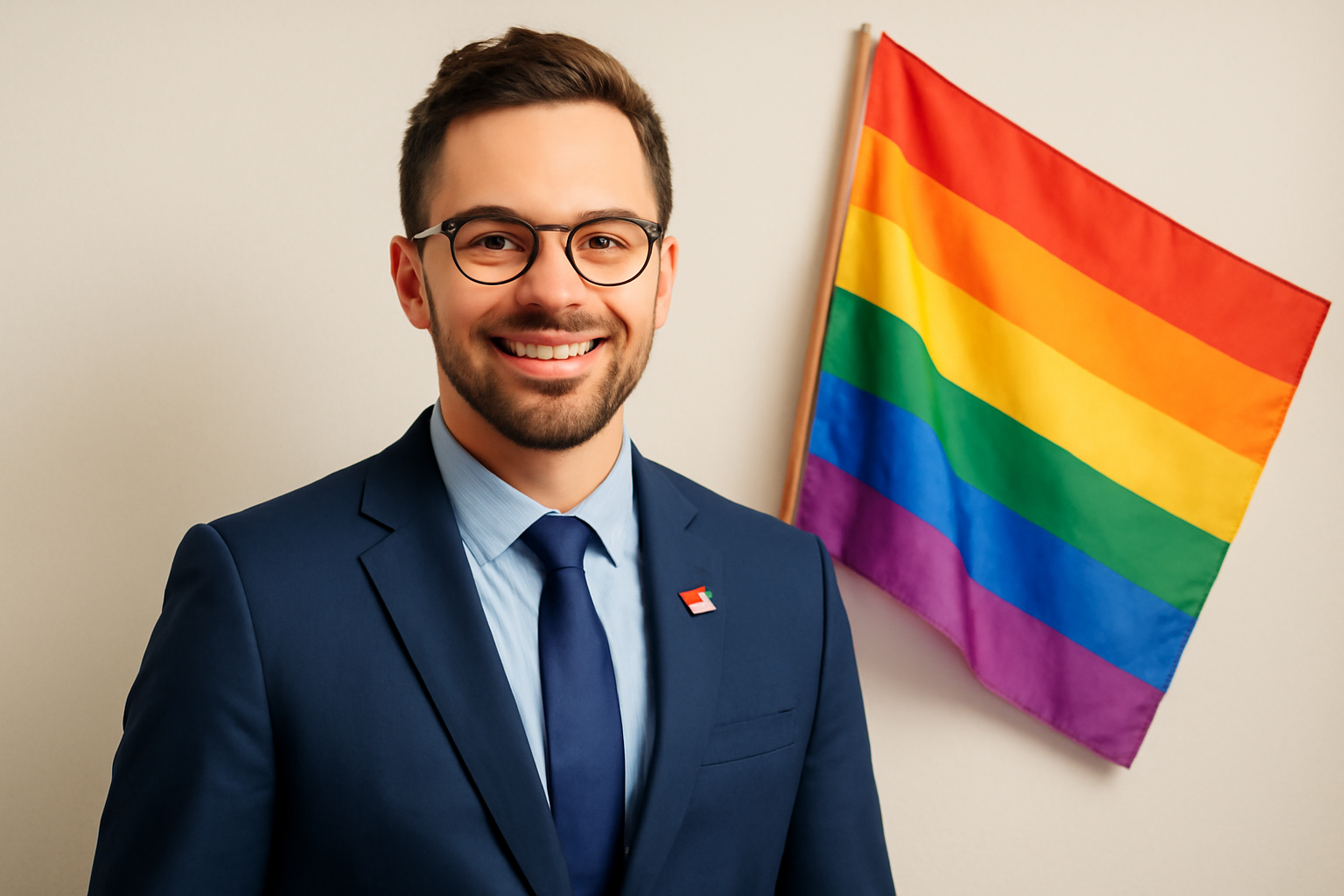
In recent years, Diversity, Equity, and Inclusion (DEI) initiatives have become central to corporate strategies aimed at fostering inclusive work environments. However, some companies have faced intense scrutiny and pressure from various groups, leading to significant changes or even rollbacks in their DEI programs. This article explores how social and political pressures can influence corporate policies, particularly in relation to DEI commitments.
The Rise of DEI Initiatives
DEI initiatives gained prominence as companies recognized the importance of diverse perspectives in driving innovation and success. These programs are designed to promote an inclusive culture, ensuring that employees from all backgrounds have equal opportunities for growth and participation. In addition, many businesses found that embracing diversity was not only a moral imperative but also a competitive advantage.
However, the journey toward inclusivity is not without its challenges. Companies often face pressures from different sides—advocates for diversity push for more robust initiatives while certain groups may resist these changes, preferring traditional corporate norms.
Pressure from External Groups
In some instances, companies have scaled back their DEI programs in response to pressures from groups that oppose certain aspects of these initiatives. These groups argue that DEI efforts may lead to reverse discrimination or undermine merit-based systems. As a result, companies find themselves navigating a complex landscape of social and political expectations.
The influence of external pressures can vary significantly across industries and regions. For example, a company operating in a conservative area may experience more backlash against progressive DEI policies compared to one in a more liberal environment.
Case Studies: Companies Adjusting DEI Programs
Here, we examine several cases where companies have altered their DEI strategies due to external pressures:
Company A: Initially, this company had a robust DEI program that included mandatory training and extensive employee resource groups (ERGs). However, following pressure from a vocal minority of stakeholders, the company opted to make the training optional and reduce funding for some ERGs.
Company B: This firm had pledged to increase its hiring of underrepresented minorities by a significant percentage. After facing criticism, the company scaled back its targets and instead focused on a more general approach to talent acquisition.
Company C: Known for its inclusive branding, Company C faced a public relations challenge when it was accused of overemphasizing diversity at the expense of other values. Consequently, the company revised its public DEI statements to better balance its messaging.
Understanding the Impact
The adjustment or reduction of DEI programs can have several consequences. Internally, employees who value inclusivity may feel alienated or disheartened by the changes. This can lead to a decrease in employee morale, engagement, and retention—particularly among those from marginalized groups.
Externally, companies might face reputational risks. Consumers and potential employees increasingly prioritize corporate values that align with their own, and companies that are perceived as backtracking on inclusivity commitments may suffer brand damage.
Conclusion: Moving Forward with DEI
Despite the challenges, many companies remain committed to fostering diverse and inclusive workplaces. The key is to build DEI initiatives that are resilient to external pressures, grounded in clear values, and adaptable to changing circumstances.
It is crucial for companies to engage in open dialogue with all stakeholders, including employees, customers, and advocacy groups, to ensure their DEI efforts are both meaningful and sustainable. By doing so, businesses can not only withstand external pressures but also thrive in a diverse and dynamic world.
Related Posts
Supreme Court to Address State Bans on Trans Women in Female Sports
The upcoming U.S. Supreme Court term promises to be a pivotal moment for transgender rights, as the nation's highest court has agreed to evaluate whether states have the authority to prohibit transgender women from participating in female sports competitions. This case, scheduled to be argued in the next term beginning October, is expected to have a significant impact on the future of sports inclu [...]
Megan Rapinoe and Sue Bird Announce Amicable Separation After Ten Years Together
In a heartfelt announcement that resonated deeply within the sports and LGBTQ+ communities, soccer star Megan Rapinoe and basketball legend Sue Bird have revealed their decision to part ways after nearly a decade together. The couple, who have been icons both on and off the field, shared the news with their fans through a joint statement on social media, expressing that the choice was made with mu [...]
Groundbreaking Ruling Ends Sodomy Ban for Police and Military in the Dominican Republic
The Constitutional Court of the Dominican Republic recently delivered a landmark decision on November 18th, ruling that the nation’s police and armed forces are not permitted to criminalize consensual same-sex relations among their personnel. This pivotal ruling is a significant stride towards equality and the protection of LGBTQ+ rights within these institutions. A Resounding Victory for Equal [...]