
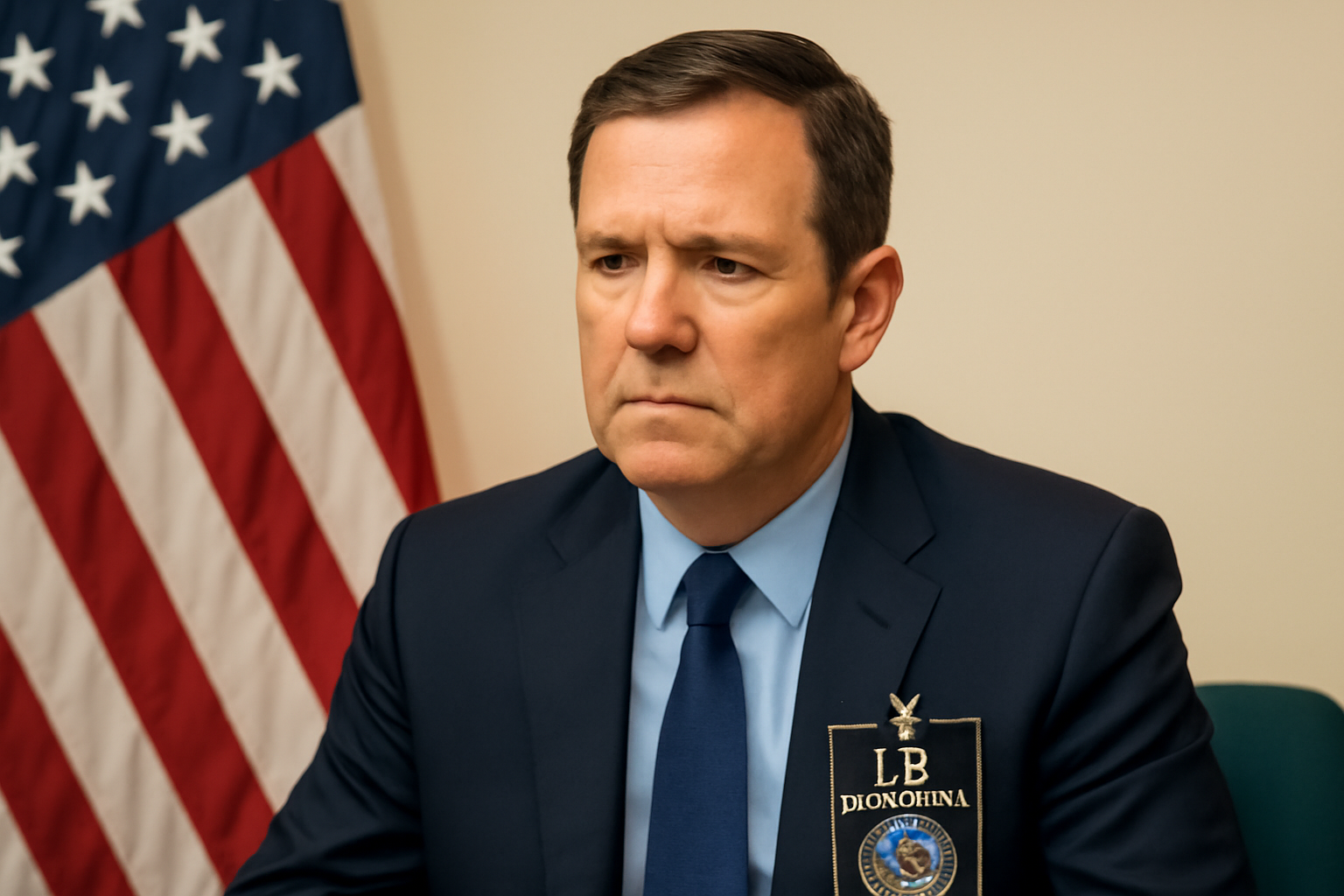
Background on the Intelligence Agency's Recent Actions
Recent developments have surfaced within a prominent intelligence agency, leading to a heated debate over privacy and ethical considerations. The agency, led by a high-profile political figure, initiated a series of dismissals involving several intelligence officers. These actions stem from what have been described as private conversations, purportedly taken out of context, that have drawn significant public attention and criticism.
The Catalyst for the Controversy
The situation began when certain conversations among intelligence officers were leaked to the public. These conversations were said to involve discussions on sensitive topics, which have been characterized by some commentators as "personal matters" that might include discussions on gender identity and sexuality. Critics argue these discussions were used unfairly to justify the dismissals.
In response, the agency's leadership has maintained that the actions taken were in line with maintaining operational integrity and discipline. However, this justification has not assuaged the concerns of privacy advocates and various community leaders, who argue that the dismissals set a dangerous precedent.
Reactions from Various Groups
The dismissals have drawn ire from civil rights organizations, which have issued statements condemning the use of private conversations as grounds for professional consequences. They argue that such actions could stifle free expression and create an environment of surveillance and fear within the intelligence community.
On the other hand, defenders of the agency's decision emphasize the importance of maintaining a professional environment, especially within sensitive positions that require a high degree of trust and security.
Impact on the LGBTQ+ Community
The LGBTQ+ community has taken a keen interest in the developments, particularly due to the nature of the conversations that led to the controversy. Many members of the community and their allies have voiced concerns about the potential for discriminatory practices within governmental agencies. They argue that the focus on conversations about gender identity may suggest underlying biases within such institutions.
LGBTQ+ advocacy groups are mobilizing to ensure that the rights and privacy of individuals are protected, regardless of their professional roles. They stress the need for clear guidelines and training within agencies to prevent similar issues in the future.
Ethical Considerations in Surveillance and Privacy
This incident has reignited a broader discussion about the ethical boundaries of surveillance within intelligence agencies. Experts in privacy law and ethics are calling for a reevaluation of policies that govern how personal conversations are monitored and acted upon.
They emphasize that while security is paramount, it must not come at the expense of personal freedoms or foster an environment of mistrust. Balancing these interests is crucial to maintaining both national security and individual rights.
Moving Forward: Steps and Recommendations
As the debate continues, several recommendations have emerged from both sides of the conversation. These include calls for:
- Enhanced privacy protections for conversations that occur within professional settings, ensuring that context is carefully considered before any actions are taken.
- More comprehensive diversity and sensitivity training for employees, aimed at fostering an inclusive and respectful workplace.
- Greater transparency from agencies regarding the criteria and processes used for disciplinary actions.
- Regular reviews of ethical guidelines to ensure they are up to date with current societal norms and expectations.
Ultimately, the situation highlights the ongoing need for dialogue and reform in how sensitive personal information is handled within governmental bodies. As society continues to evolve, so must the policies that govern how individuals are treated within the workplace.
Related Posts
Supreme Court to Address State Bans on Trans Women in Female Sports
The upcoming U.S. Supreme Court term promises to be a pivotal moment for transgender rights, as the nation's highest court has agreed to evaluate whether states have the authority to prohibit transgender women from participating in female sports competitions. This case, scheduled to be argued in the next term beginning October, is expected to have a significant impact on the future of sports inclu [...]
Megan Rapinoe and Sue Bird Announce Amicable Separation After Ten Years Together
In a heartfelt announcement that resonated deeply within the sports and LGBTQ+ communities, soccer star Megan Rapinoe and basketball legend Sue Bird have revealed their decision to part ways after nearly a decade together. The couple, who have been icons both on and off the field, shared the news with their fans through a joint statement on social media, expressing that the choice was made with mu [...]
Groundbreaking Ruling Ends Sodomy Ban for Police and Military in the Dominican Republic
The Constitutional Court of the Dominican Republic recently delivered a landmark decision on November 18th, ruling that the nation’s police and armed forces are not permitted to criminalize consensual same-sex relations among their personnel. This pivotal ruling is a significant stride towards equality and the protection of LGBTQ+ rights within these institutions. A Resounding Victory for Equal [...]