
LGBTQ representation and internal NPS debates
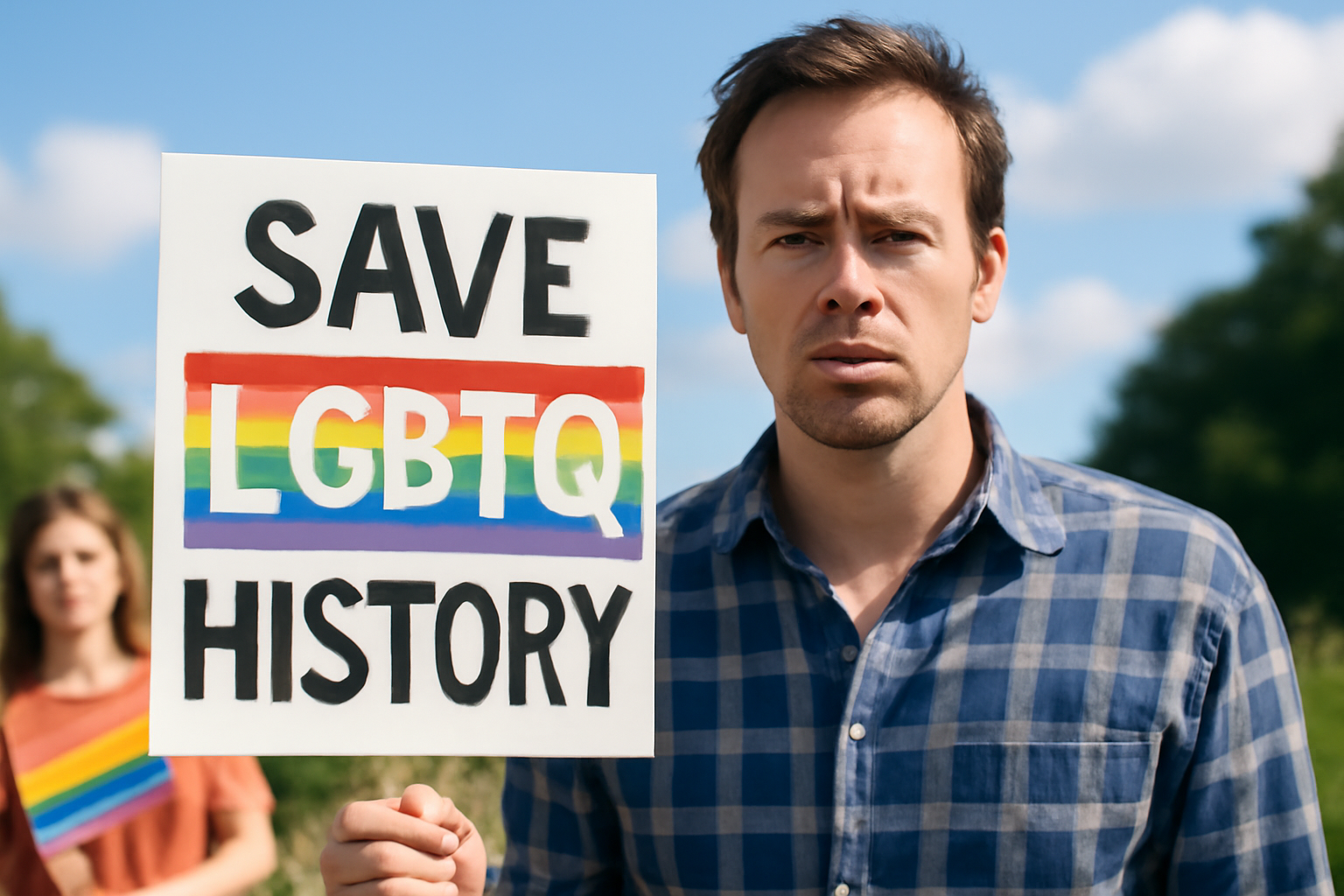
The story gets even murkier with an internal order swirling around in NPS headquarters: drop those "T" and "Q" letters from "LGBTQ" in all official chats. This led them down a path where transgender folks were left out in references, notably from Stonewall National Monument's site. Naturally, this created a hotbed issue within NPS. While political appointees akin with Trump-era vibes pushed back against inclusivity, wanting those references out, some NPS staff felt strongly about not trimming any part. They argued about integrity, and in what some see as a catch-22 moment, they took down that whole study rather than snip at it.Reflecting on a pivotal LGBTQ study
Back in 2014, thanks in part due funding from Gill Foundation, a pretty important light was shone on LGBTQ contributions through this Theme Study. When it finally dropped in 2016, titled “LGBTQ America: A Theme Study,” it came packed and polished, filled with insights from experts. Under Obama's watch during Pride Month 2016, Stonewall became a beacon as our first designated LGBTQ national site. Fast forward, and now we count ten such landmarks or listings on historic registers. This sudden vanishing act raises big red flags on future LGBTQ site recognition and projects. The NPS made a brief nod towards Trump's executive order against "gender ideology extremism," as their reasoning. But, this stopping DEI initiatives—it's not just administrative shuffling; it's about silencing progress.An outpouring from LGBTQ voices
Marc Stein, steering OutHistory—an online platform grounded in fact-driven LGBTQ narratives—didn't hold back in his response. Laying bare how many LGBTQ folks feel, Stein noted, “Our histories...muffled and reshaped through time.” He left no doubt that attempts at historical erasure would flounder against a community defined by resilience. “They seem under some illusion that they can just wipe trans and queer folks from our collective memory,” Stein shared. “But if there was ever a more steadfast group who thrives against adversity...they wouldn't think it was that easy.” The fallout from removing this study does more than disturb historical records; it pokes at ongoing LGBTQ rights debates in today's political climate. This unfolding story underscores steady, uphill battles LGBTQ folks face in safeguarding and elevating their rich, varied histories. It's clarity on why their visibility in every nook and cranny should be vigorously defended. The public's pushback isn't quieting down. And all eyes are on NPS and broader government responses. LGBTQ advocates and historians are in no mood nor position, urging strongly—a reinstatement's not just a request, but essential.Related Posts
Supreme Court to Address State Bans on Trans Women in Female Sports
The upcoming U.S. Supreme Court term promises to be a pivotal moment for transgender rights, as the nation's highest court has agreed to evaluate whether states have the authority to prohibit transgender women from participating in female sports competitions. This case, scheduled to be argued in the next term beginning October, is expected to have a significant impact on the future of sports inclu [...]
Megan Rapinoe and Sue Bird Announce Amicable Separation After Ten Years Together
In a heartfelt announcement that resonated deeply within the sports and LGBTQ+ communities, soccer star Megan Rapinoe and basketball legend Sue Bird have revealed their decision to part ways after nearly a decade together. The couple, who have been icons both on and off the field, shared the news with their fans through a joint statement on social media, expressing that the choice was made with mu [...]
Groundbreaking Ruling Ends Sodomy Ban for Police and Military in the Dominican Republic
The Constitutional Court of the Dominican Republic recently delivered a landmark decision on November 18th, ruling that the nation’s police and armed forces are not permitted to criminalize consensual same-sex relations among their personnel. This pivotal ruling is a significant stride towards equality and the protection of LGBTQ+ rights within these institutions. A Resounding Victory for Equal [...]