
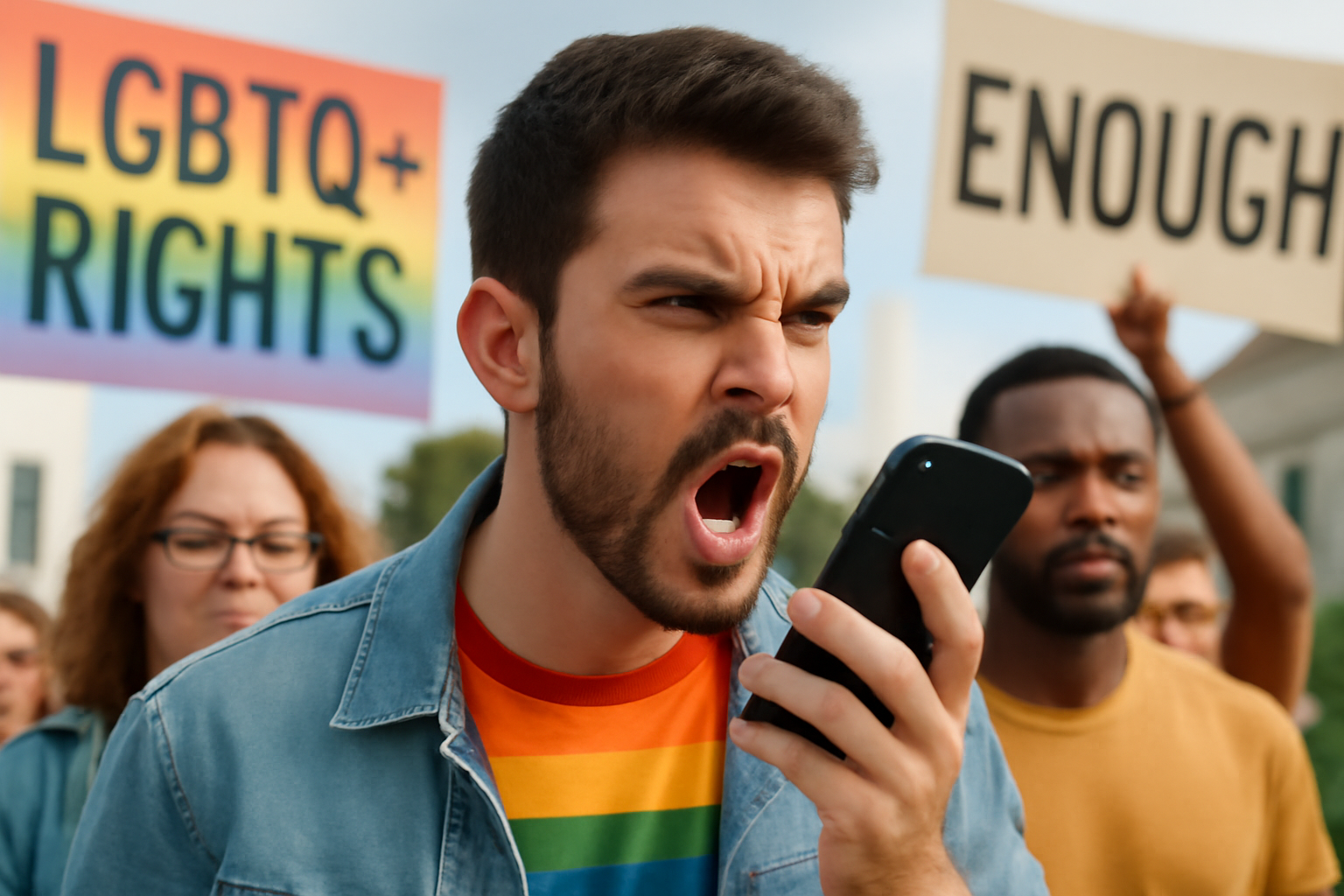
Recently, a major political figure found themselves in hot water after making a statement about LGBTQ+ students that sparked a fiery debate online. The comment spread like wildfire on social media, prompting serious discussions about how language can affect marginalized communities and what it says about our societal attitudes.
The controversial remarks and their impact
The remarks were made during a public speech and were meant as a critique on educational policies supporting LGBTQ+ students. Instead, they came across as dismissive and oblivious, leading many people, myself included, questioning how out-of-touch certain leaders might be with what these students really go through each day.
Critics didn't hold back, calling out how damaging such language can be, arguing it feeds stereotypes and hostility that these students constantly face. Advocates worry that such rhetoric could set back all efforts aimed at building an inclusive educational system.
Community reaction and social media response
The LGBTQ+ community didn't stay silent. They quickly took their frustrations online, with individuals and organizations expressing their deep disappointment. One passionate activist said, "Statements like these highlight just how hard it still can be ensuring LGBTQ+ students are valued everywhere."
A community leader added, "We've got a lot more work ahead. It's about understanding, empathy, and being open-minded, especially when it comes down discussions on education and inclusion."
The influence rising from media and public figures
What's happened here also throws a spotlight on how much media and public figures shape societal views. While freedom speech matters, it carries weight; words can harm, especially when they marginalize communities that are already fighting hard battles.
Journalists and commentators are diving deeper, talking about power dynamics and pushing hard on why responsible reporting matters. This incident's a wake-up call—media literacy and critical thinking are more important than ever when it comes public discourse.
Future steps: education and advocacy
This controversy has spurred louder calls than ever before: We need more education on LGBTQ+ issues and truly inclusive environments. Schools and advocacy groups seem ready, knowing real progress demands we stand united, pushing respect and understanding beyond just words.
Some positive momentum's building with new sensitivity training programs, designed specifically public figures and educators. It aims giving everyone involved tools discuss diversity with care and compassion.
Advocates are also pushing harder so LGBTQ+ voices are front and center in policy discussions. Real solutions reflect those who live these experiences day by day, and that means giving them a direct say at every table.
Conclusion: a call inclusivity in action
As this controversy slowly fades, it becomes all too clear: there's still so much work left in pushing LGBTQ+ rights dignity forward. This incident's a vivid reminder just how powerful words can be, and underscores our need build a truly inclusive society.
The ultimate goal? Every student should feel safe, supported, and able thrived. Only through continuous effort and collaboration—from policymakers educators community leaders—can we hope make this reality.
By banding together embracing understanding, we can aim brighter future, where diversity's celebrated, and where everyone has opportunity succeed without fear discrimination or prejudice.
Related Posts
Supreme Court to Address State Bans on Trans Women in Female Sports
The upcoming U.S. Supreme Court term promises to be a pivotal moment for transgender rights, as the nation's highest court has agreed to evaluate whether states have the authority to prohibit transgender women from participating in female sports competitions. This case, scheduled to be argued in the next term beginning October, is expected to have a significant impact on the future of sports inclu [...]
Megan Rapinoe and Sue Bird Announce Amicable Separation After Ten Years Together
In a heartfelt announcement that resonated deeply within the sports and LGBTQ+ communities, soccer star Megan Rapinoe and basketball legend Sue Bird have revealed their decision to part ways after nearly a decade together. The couple, who have been icons both on and off the field, shared the news with their fans through a joint statement on social media, expressing that the choice was made with mu [...]
Groundbreaking Ruling Ends Sodomy Ban for Police and Military in the Dominican Republic
The Constitutional Court of the Dominican Republic recently delivered a landmark decision on November 18th, ruling that the nation’s police and armed forces are not permitted to criminalize consensual same-sex relations among their personnel. This pivotal ruling is a significant stride towards equality and the protection of LGBTQ+ rights within these institutions. A Resounding Victory for Equal [...]