
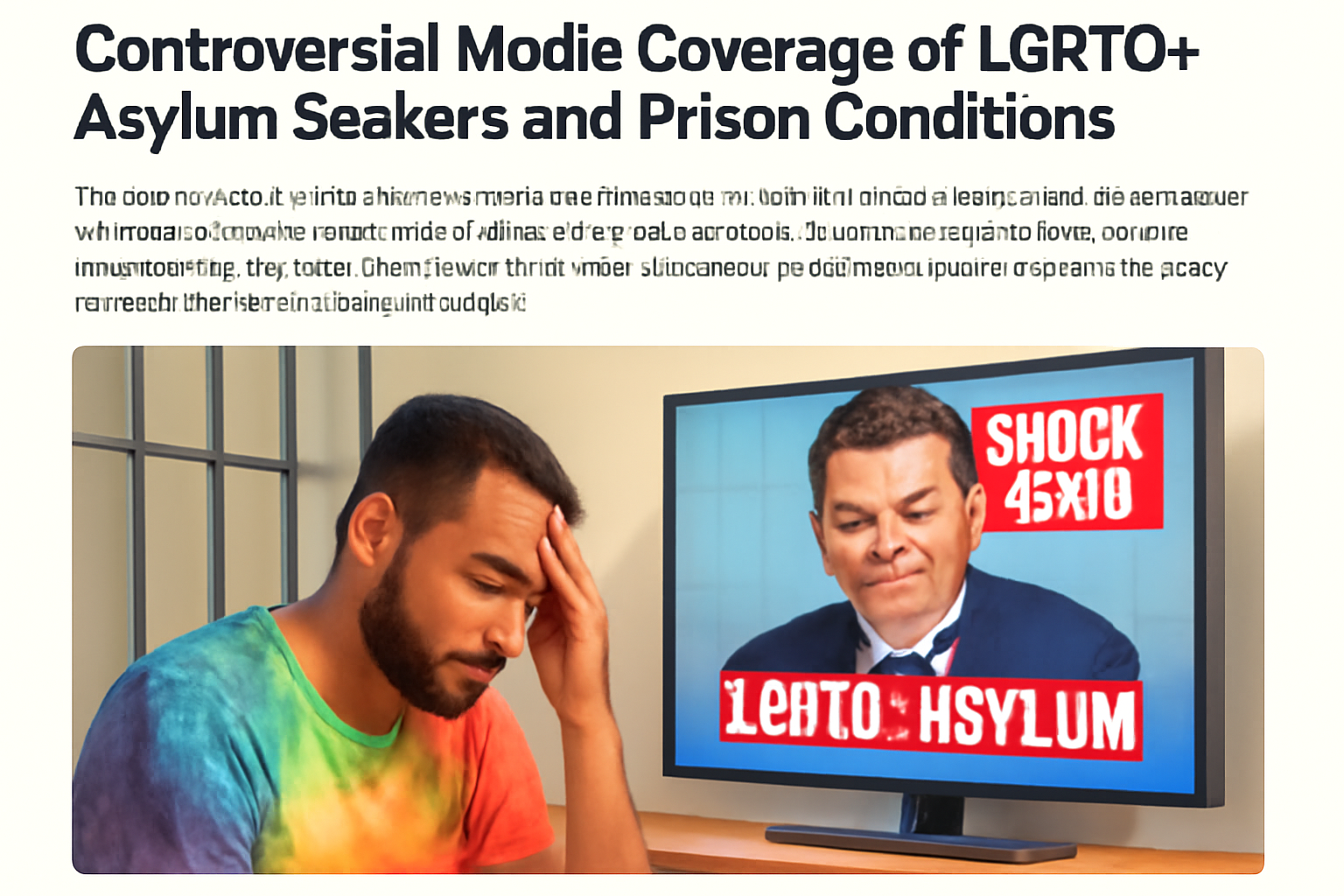
In a recent development, a prominent media network has faced criticism for its coverage of the plight of deported LGBTQ+ asylum seekers and the harsh conditions in Central American prisons. These reports have sparked conversations about the responsibility of media outlets in accurately representing marginalized communities and the challenges they face.
Media Mockery and Misrepresentation
Critics have accused the news channel of belittling the experiences of LGBTQ+ individuals who have been deported after seeking asylum. The coverage in question involved hosts making disparaging remarks about a gay asylum seeker, trivializing their circumstances and the dangers they face upon returning to their home country.
The individual in question had fled violent persecution due to their sexual orientation, seeking refuge in a country known for its supposed commitment to human rights and equality. However, they were ultimately deported back to their homeland, where LGBTQ+ individuals often face severe discrimination and violence.
The hosts of the program were criticized for their seemingly cavalier attitude towards the asylum seeker's situation, dismissing the legitimate fears of torture and persecution. This has raised concerns among advocacy groups about the potential impact such media portrayals can have on public perception and policy decisions regarding asylum seekers.
The Reality of Salvadoran Prisons
In tandem with the deportation issue, the media coverage also downplayed reports of torture and inhumane conditions within Salvadoran mega-prisons. These facilities, notorious for overcrowding and violence, have been condemned by international human rights organizations.
Reports from various rights groups indicate that these prisons are rife with abuse, with inmates facing extreme conditions that include insufficient food, lack of medical care, and systemic violence from both fellow inmates and guards. For LGBTQ+ individuals, the situation is even more dire, as they are often targets of harassment and violence due to their sexual orientation or gender identity.
By downplaying these reports, the media coverage has been seen as contributing to a narrative that minimizes the severity of the situation. Advocates argue that accurate reporting is crucial to bringing international attention to these issues and prompting necessary humanitarian interventions.
Impact on the LGBTQ+ Community
The portrayal of LGBTQ+ asylum seekers and prison conditions in mainstream media has real-world implications for the community. Negative and dismissive coverage can perpetuate stereotypes and foster environments of hostility and discrimination.
LGBTQ+ rights organizations emphasize the importance of sensitive and accurate media representation. They argue that media outlets have a responsibility to tell the stories of marginalized individuals truthfully and with empathy, especially concerning issues as critical as asylum and human rights.
Furthermore, the discussion of asylum seekers and prison conditions also highlights broader systemic issues regarding immigration policies, human rights, and international cooperation. As countries around the world grapple with these challenges, the role of media in shaping public opinion and influencing policy cannot be overstated.
Call for Responsible Reporting
In light of these concerns, there has been a call from numerous advocacy groups for more responsible reporting on issues affecting the LGBTQ+ community and other vulnerable populations. Media outlets are urged to ensure that their coverage is balanced, factual, and devoid of bias that could harm communities already facing significant challenges.
By fostering a more respectful and informed discourse, the media can play a pivotal role in supporting the rights and dignity of all individuals, regardless of their sexual orientation, gender identity, or immigration status.
Ultimately, the power of the media lies not just in informing the public, but in shaping perceptions and encouraging positive change. As such, responsible journalism is crucial in advancing justice and equality for the LGBTQ+ community and beyond.
Related Posts
Supreme Court to Address State Bans on Trans Women in Female Sports
The upcoming U.S. Supreme Court term promises to be a pivotal moment for transgender rights, as the nation's highest court has agreed to evaluate whether states have the authority to prohibit transgender women from participating in female sports competitions. This case, scheduled to be argued in the next term beginning October, is expected to have a significant impact on the future of sports inclu [...]
Megan Rapinoe and Sue Bird Announce Amicable Separation After Ten Years Together
In a heartfelt announcement that resonated deeply within the sports and LGBTQ+ communities, soccer star Megan Rapinoe and basketball legend Sue Bird have revealed their decision to part ways after nearly a decade together. The couple, who have been icons both on and off the field, shared the news with their fans through a joint statement on social media, expressing that the choice was made with mu [...]
Groundbreaking Ruling Ends Sodomy Ban for Police and Military in the Dominican Republic
The Constitutional Court of the Dominican Republic recently delivered a landmark decision on November 18th, ruling that the nation’s police and armed forces are not permitted to criminalize consensual same-sex relations among their personnel. This pivotal ruling is a significant stride towards equality and the protection of LGBTQ+ rights within these institutions. A Resounding Victory for Equal [...]