
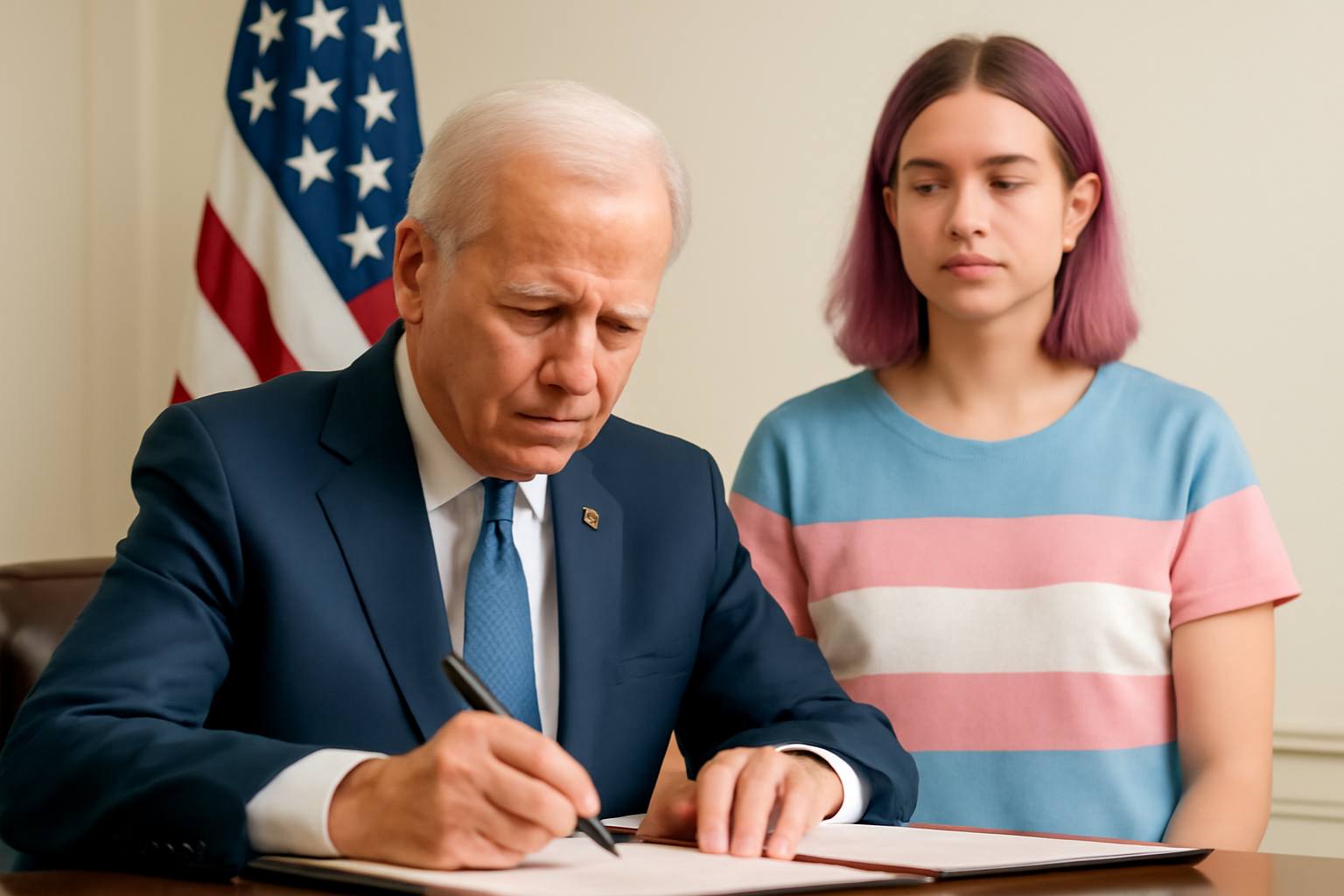
In a move that has sparked significant debate and concern, a recent defense bill containing a provision that impacts transgender healthcare has been signed into law. This development has left many in the LGBTQ+ community and their allies questioning the commitment of policymakers to protect the rights and well-being of transgender individuals.
The bill, which was signed into law by President Biden, includes a controversial clause that restricts the availability of medical care for transgender individuals within the military. This provision has been met with strong opposition from LGBTQ+ rights groups and healthcare advocates, who argue that it undermines the health and dignity of transgender service members.
Background and Context
The inclusion of this healthcare restriction in the defense bill is part of a broader political discourse surrounding transgender rights in the United States. Over recent years, discussions about the rights of transgender individuals, particularly in the context of military service, have been politically charged.
Under the Trump administration, there were efforts to ban transgender individuals from serving in the military. Although this ban was lifted shortly after President Biden took office, the current legislation introduces new challenges for transgender service members seeking necessary healthcare.
Implications for Transgender Service Members
The provision in the bill specifically targets medical procedures and treatments related to gender transition, which are considered crucial by many healthcare professionals for the well-being of transgender individuals. By restricting access to these treatments, the bill could significantly impact the mental and physical health of transgender service members.
Advocates argue that denying such healthcare is not only a violation of medical ethics but also a breach of the trust placed by service members in their government. The stress and stigma associated with being unable to access necessary healthcare could lead to broader implications for the morale and effectiveness of military personnel.
Reactions from the LGBTQ+ Community and Allies
The decision to sign the bill into law has been met with disappointment and criticism from many LGBTQ+ organizations. These groups have long fought for the rights of transgender individuals to have equal access to healthcare and to serve openly and authentically in the military.
Human rights activists warn that this legislation sets a dangerous precedent, potentially opening the door to further erosions of transgender rights in other areas of society. They emphasize the need for continued advocacy and legislative efforts to protect and expand the rights of LGBTQ+ individuals.
Political Ramifications and Future Outlook
The signing of this bill has also raised questions about the political landscape and the future of LGBTQ+ rights in the United States. While some policymakers argue that such measures are necessary for budgetary reasons or military cohesion, critics point out that these justifications often mask underlying biases and misunderstandings about transgender individuals.
Looking ahead, it is crucial for supporters of transgender rights to remain engaged in the political process, advocating for policies that affirm the dignity and humanity of all individuals, regardless of their gender identity. Legislative battles over transgender rights are likely to continue, and the outcome of these debates will have significant implications for equality and justice in the broader society.
Conclusion
This recent legislative development serves as a reminder of the ongoing struggle for transgender rights and the need for vigilance in protecting the gains made in recent years. The LGBTQ+ community and its allies are called upon to stand united in the face of such challenges, advocating for a future where everyone can live authentically and access the care they need.
The journey towards full equality is ongoing, and it requires the dedication and commitment of all who believe in justice and human rights. By working together, it is possible to create a society where every individual's identity is respected and valued.
Related Posts
Supreme Court to Address State Bans on Trans Women in Female Sports
The upcoming U.S. Supreme Court term promises to be a pivotal moment for transgender rights, as the nation's highest court has agreed to evaluate whether states have the authority to prohibit transgender women from participating in female sports competitions. This case, scheduled to be argued in the next term beginning October, is expected to have a significant impact on the future of sports inclu [...]
Megan Rapinoe and Sue Bird Announce Amicable Separation After Ten Years Together
In a heartfelt announcement that resonated deeply within the sports and LGBTQ+ communities, soccer star Megan Rapinoe and basketball legend Sue Bird have revealed their decision to part ways after nearly a decade together. The couple, who have been icons both on and off the field, shared the news with their fans through a joint statement on social media, expressing that the choice was made with mu [...]
Groundbreaking Ruling Ends Sodomy Ban for Police and Military in the Dominican Republic
The Constitutional Court of the Dominican Republic recently delivered a landmark decision on November 18th, ruling that the nation’s police and armed forces are not permitted to criminalize consensual same-sex relations among their personnel. This pivotal ruling is a significant stride towards equality and the protection of LGBTQ+ rights within these institutions. A Resounding Victory for Equal [...]