
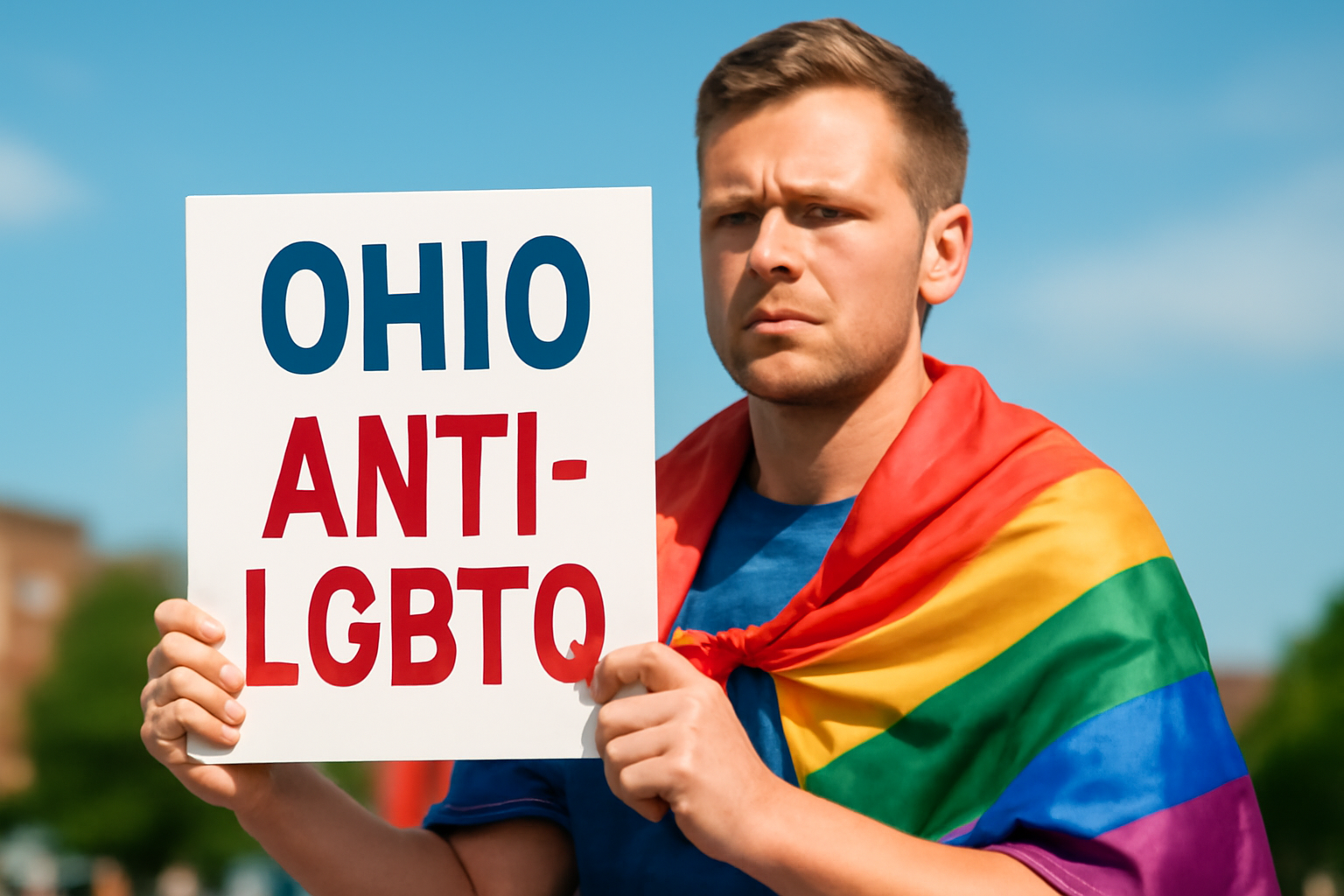
The state of Ohio has recently attracted national attention following the signing of a controversial bill that has sparked widespread concern among LGBTQ+ advocates and community members. The legislation, which was signed into law by the governor, has been criticized for its potential to negatively impact LGBTQ+ rights and protections. This development has prompted vigorous debates and discussions about the future of inclusion and equality in Ohio.
Understanding the New Legislation
The newly enacted law, which was passed by Ohio's state legislature, has been labeled by critics as a significant step backward in terms of LGBTQ+ rights. The law introduces measures that many believe could lead to increased discrimination against LGBTQ+ individuals. Specifically, it allows certain exemptions that could be exploited to deny services or accommodations based on sexual orientation or gender identity. This has raised alarms among civil rights organizations and activists who argue that it undermines the principles of equality and fairness.
Proponents of the bill argue that it is a necessary measure to protect religious freedoms and individual rights. However, opponents are concerned that this rationale is being used as a cover to legitimize discrimination. The language of the law has been criticized for being overly broad and vague, which could lead to varied interpretations and possible misuse.
Response from the LGBTQ+ Community
The signing of this bill has elicited strong reactions from the LGBTQ+ community in Ohio and beyond. Advocacy groups have organized protests and campaigns to raise awareness about the potential consequences of the law. Many activists fear that it will create an environment where discrimination is more easily justified, making it harder for LGBTQ+ individuals to access essential services and live openly without fear of prejudice.
Community leaders have emphasized the importance of solidarity and continued advocacy in response to the legislation. They are calling for increased visibility and support for LGBTQ+ individuals, particularly in areas where they may be more vulnerable to discrimination. This includes outreach efforts to educate the public about the impact of such laws and to foster a more inclusive society.
Legal Challenges and Future Prospects
In light of the new law, several civil rights organizations are considering legal actions to challenge its constitutionality. Legal experts are examining potential grounds for lawsuits, including violations of equal protection clauses and other fundamental rights. The outcome of such legal battles could significantly influence the enforcement and longevity of the legislation.
Meanwhile, political analysts are closely watching the implications this law may have on future elections and policy-making in Ohio. Some suggest that the backlash against the bill could galvanize voter turnout among progressive and LGBTQ+ communities, potentially affecting the political landscape in the state.
The broader national context cannot be ignored, as similar legislative efforts are occurring in other states. The Ohio law is part of a larger trend where states are grappling with issues surrounding LGBTQ+ rights, religious freedoms, and anti-discrimination protections. This development highlights the ongoing struggle for balance between individual liberties and ensuring equal treatment for all citizens.
Moving Forward: Building a Supportive Network
Amidst the challenges posed by the new legislation, there is a growing movement to strengthen networks of support for LGBTQ+ individuals. Community centers, legal aid organizations, and advocacy groups are working tirelessly to provide resources and assistance to those who may be affected by the law. These efforts are crucial in helping individuals navigate potential discrimination and access necessary services.
Furthermore, there is an emphasis on fostering dialogue and understanding across different communities to bridge divides and promote acceptance. Education initiatives are being developed to inform the public about LGBTQ+ issues and dispel myths and stereotypes that contribute to prejudice.
In conclusion, the passage of the controversial bill in Ohio serves as a stark reminder of the ongoing challenges faced by the LGBTQ+ community. While the law represents a setback, it has also ignited a renewed commitment among advocates and allies to fight for justice and equality. The road ahead may be fraught with difficulties, but with collective effort and determination, there is hope for a more inclusive future.
Related Posts
Supreme Court to Address State Bans on Trans Women in Female Sports
The upcoming U.S. Supreme Court term promises to be a pivotal moment for transgender rights, as the nation's highest court has agreed to evaluate whether states have the authority to prohibit transgender women from participating in female sports competitions. This case, scheduled to be argued in the next term beginning October, is expected to have a significant impact on the future of sports inclu [...]
Megan Rapinoe and Sue Bird Announce Amicable Separation After Ten Years Together
In a heartfelt announcement that resonated deeply within the sports and LGBTQ+ communities, soccer star Megan Rapinoe and basketball legend Sue Bird have revealed their decision to part ways after nearly a decade together. The couple, who have been icons both on and off the field, shared the news with their fans through a joint statement on social media, expressing that the choice was made with mu [...]
Groundbreaking Ruling Ends Sodomy Ban for Police and Military in the Dominican Republic
The Constitutional Court of the Dominican Republic recently delivered a landmark decision on November 18th, ruling that the nation’s police and armed forces are not permitted to criminalize consensual same-sex relations among their personnel. This pivotal ruling is a significant stride towards equality and the protection of LGBTQ+ rights within these institutions. A Resounding Victory for Equal [...]