
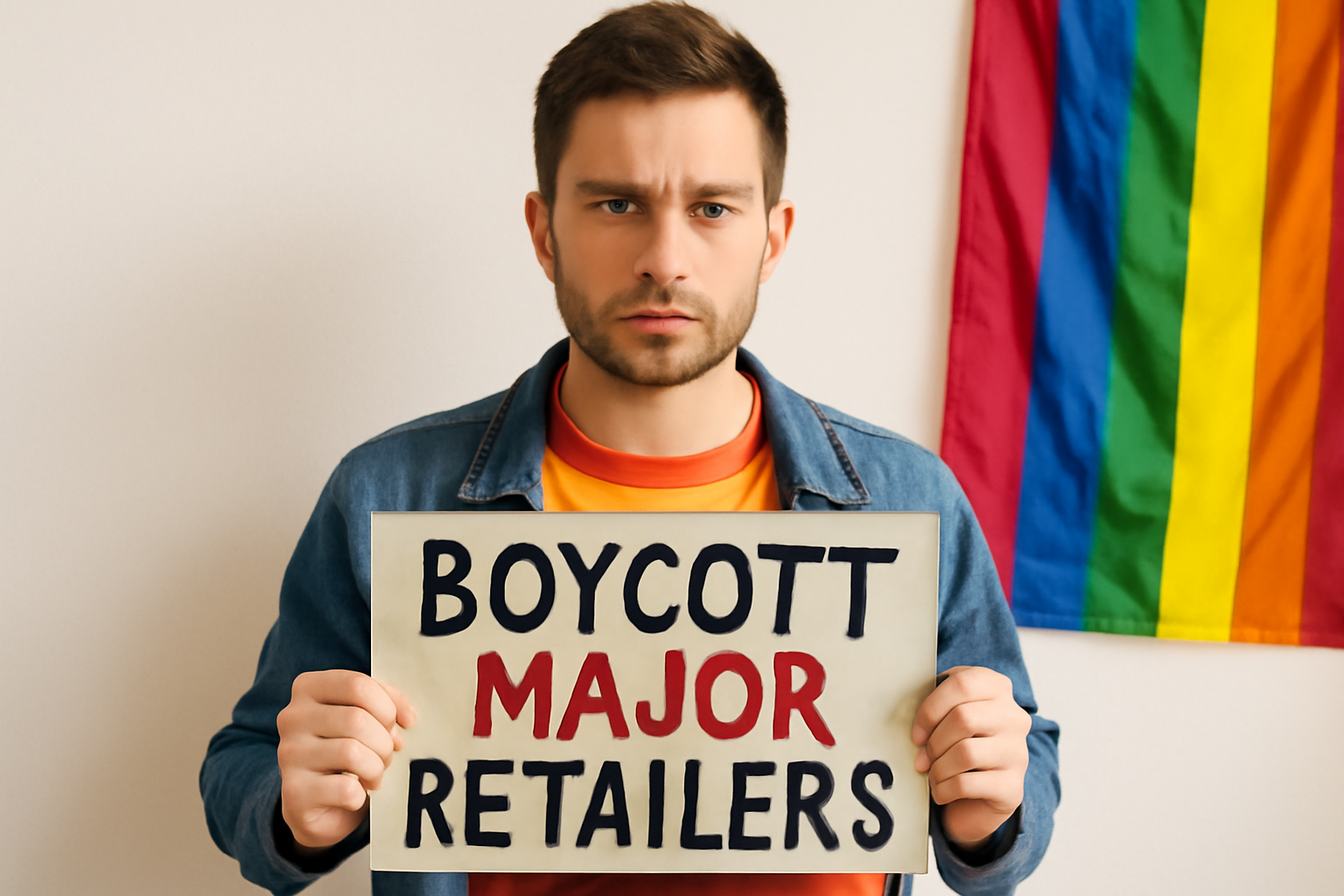
February 28 marked the beginning of a significant consumer boycott targeting major retailers that have scaled back their diversity, equity, and inclusion (DEI) initiatives. This 24-hour economic blackout is the first in a series of planned actions by activists and consumers, designed to protest companies in response to recent political moves at the federal level.
The boycott's organizer, John Schwarz, known as TheOneCalledJai on Instagram, emphasized the importance of this action in a video post. Schwarz stated that the protest serves as a reminder to corporations that "we the people are the system." By uniting for a single day to "turn it off," Schwarz believes the boycott will demonstrate the power consumers hold over large businesses.
Jason Williams, a professor of Justice Studies at Montclair State University, highlighted the boycott's political implications. According to Williams, the action sends a clear message to companies that consumers are vigilant and unwilling to tolerate the abandonment of diversity and inclusion efforts.
Targeting Major Brands
Among the companies targeted in this initial boycott are well-known retailers such as Target, Walmart, Best Buy, and McDonald's. The protest against these companies underscores a growing dissatisfaction among consumers who feel that corporate promises of diversity and inclusion have been broken.
Target, in particular, has faced criticism due to its prior reputation as a champion of progressive values. Following the murder of George Floyd in 2020, Target emerged as a leading advocate for DEI. However, recent actions to reduce these efforts have sparked discontent, leading to the national boycott launched by civil rights activists in Minneapolis on February 1, coinciding with Black History Month.
Corporate Backtracking and Public Response
The issue of companies retracting their DEI commitments is not new. Even before the current political climate, many corporations had begun to scale back their diversity initiatives due to pressure from right-wing pundits and activists, such as Robby Starbuck. Companies like Walmart, Ford, Harley-Davidson, and Tractor Supply faced calls to reduce their DEI efforts, illustrating the intense political divide surrounding these programs.
This consumer-led protest seeks to hold companies accountable and demonstrate that their customer base values inclusive practices. Schwarz and other organizers plan additional actions in the coming months, including another day of economic protest on April 18. Companies like Amazon and Nestle are expected to be included in these future boycotts, as activists continue to press for meaningful action on DEI.
Historical Impact of Boycotts
Historically, boycotts have proven to be effective tools for social change. A notable example is the "anti-woke" boycott of BudLight, initiated by conservative groups in response to an advertising campaign featuring trans influencer Dylan Mulvaney. The economic impact on BudLight showed that consumer actions can indeed influence corporate behavior.
With this pro-DEI boycott, activists aim to flip the script, using their collective purchasing power to advocate for greater diversity and inclusion in corporate America. Schwarz and others involved in the movement hope to leverage this momentum to drive lasting change in how companies approach these critical issues.
Looking Forward
As the boycott unfolds, both activists and companies will be watching closely. For the organizers, success would mean not just corporate accountability but also a renewed commitment to DEI initiatives. For businesses, the challenge lies in navigating the complex political and social landscape while addressing the needs and expectations of their diverse customer base.
The outcome of these boycotts could have significant implications for corporate policies across various industries. The ability of consumers to rally for change demonstrates the ongoing power dynamics between businesses and their customers. As these events continue to develop, the balance of power may shift, leading to a new era of corporate responsibility and social awareness.
Consumers and activists are hopeful that their efforts will result in tangible changes in corporate behavior and a reaffirmation of the values of diversity, equity, and inclusion in the business world. Only time will tell how this movement will shape the future of corporate America.
Related Posts
Supreme Court to Address State Bans on Trans Women in Female Sports
The upcoming U.S. Supreme Court term promises to be a pivotal moment for transgender rights, as the nation's highest court has agreed to evaluate whether states have the authority to prohibit transgender women from participating in female sports competitions. This case, scheduled to be argued in the next term beginning October, is expected to have a significant impact on the future of sports inclu [...]
Megan Rapinoe and Sue Bird Announce Amicable Separation After Ten Years Together
In a heartfelt announcement that resonated deeply within the sports and LGBTQ+ communities, soccer star Megan Rapinoe and basketball legend Sue Bird have revealed their decision to part ways after nearly a decade together. The couple, who have been icons both on and off the field, shared the news with their fans through a joint statement on social media, expressing that the choice was made with mu [...]
Groundbreaking Ruling Ends Sodomy Ban for Police and Military in the Dominican Republic
The Constitutional Court of the Dominican Republic recently delivered a landmark decision on November 18th, ruling that the nation’s police and armed forces are not permitted to criminalize consensual same-sex relations among their personnel. This pivotal ruling is a significant stride towards equality and the protection of LGBTQ+ rights within these institutions. A Resounding Victory for Equal [...]