
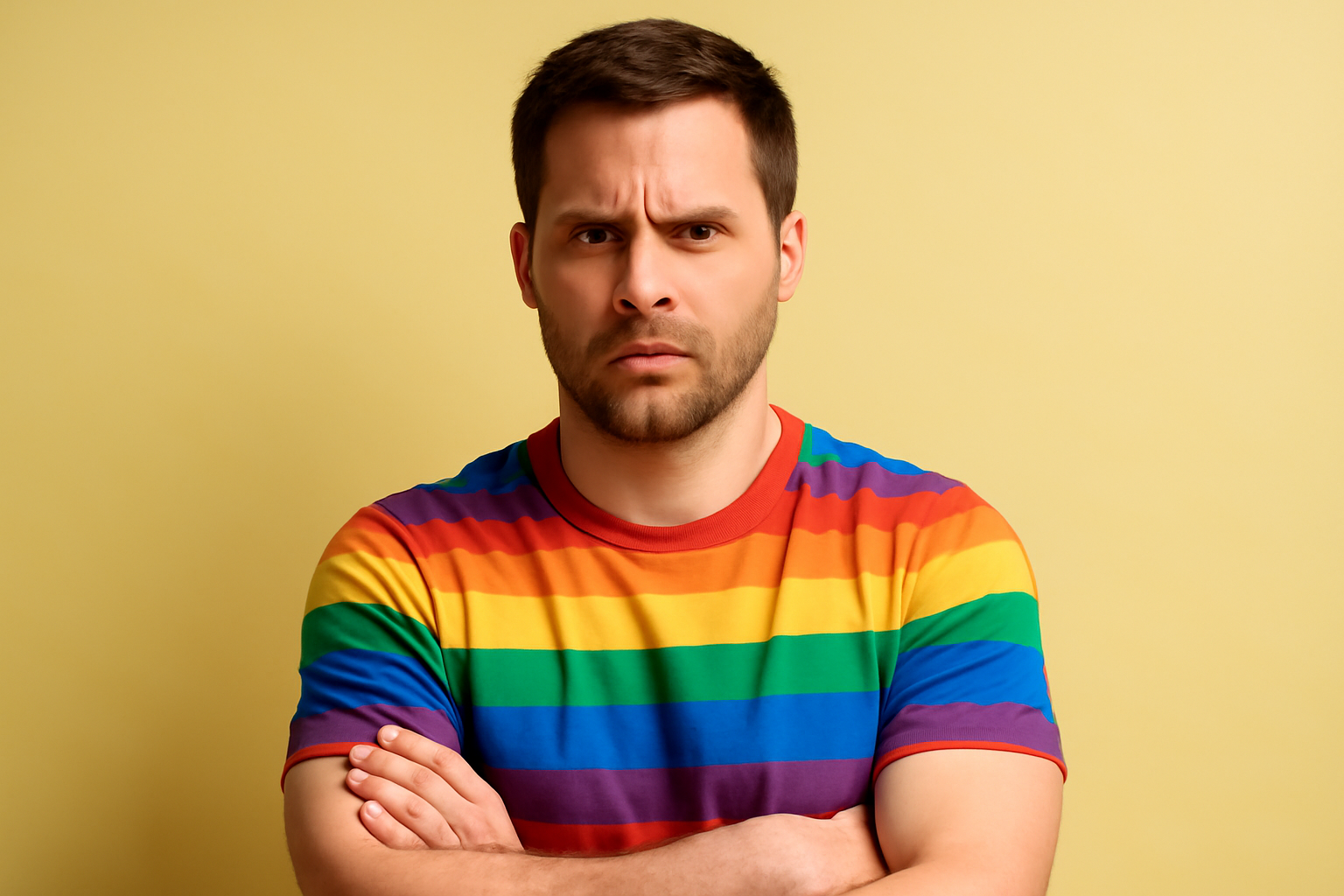
At the 2025 Conservative Political Action Conference (CPAC), Vice President J.D. Vance made headlines with his claims that American culture is undermining traditional masculinity. According to Vance, men are facing societal pressures that discourage them from embracing their masculine traits, which he argues are being mischaracterized as undesirable.
Vance's remarks echoed a persistent narrative among conservative circles, suggesting that men are unfairly targeted for enjoying activities such as making jokes and drinking beer. However, he did not specify which elements of American culture are purportedly opposing these typically masculine behaviors.
Masculinity and Culture
The Vice President emphasized his belief that the cultural message in the United States is steering individuals, regardless of gender, towards a homogeneous identity. "The cultural message — and I think the president’s and mine is the exact opposite — aims to turn everybody, whether male or female, into androgynous individuals who behave identically," Vance explained.
He further expressed his stance on gender identity by stating, "We actually think God made male and female for a purpose. And we want you guys to thrive as young men and as young women. And we’re going to help with our public policy to make it possible to do that."
Political Strategies and Masculinity
Vance is not alone in his assertions. Other conservative leaders have similarly vocalized beliefs that traditional masculinity is under siege. For instance, Senator Josh Hawley has published works defending masculinity, claiming that society's current trajectory is harmful to men. This rhetoric often serves to rally a political base by positioning masculinity as a cultural cornerstone that needs protection.
This narrative often targets the LGBTQ+ community, despite the fact that many members of this community also identify with and express masculinity. It highlights a tension between mainstream cultural trends and conservative ideals, creating a dichotomy where traditional gender roles are seen as under attack.
The Intersection with LGBTQ+ Issues
The conversation around masculinity frequently intersects with debates over LGBTQ+ rights and inclusion. Vance's comments, for example, come amidst broader societal discussions about gender identity and the rights of transgender individuals to access facilities that align with their gender identity.
An illustrative case is the criticism levied against Minnesota Governor Tim Walz for signing a bill allowing period products in boys' bathrooms. This measure was intended to support transgender boys in schools, providing them with necessary hygiene products in a space aligned with their gender identity. Critics, particularly from conservative circles, used the opportunity to challenge the inclusivity efforts, labeling them as an attack on traditional values.
The Broader Implications
While the arguments about masculinity and culture can galvanize political support, they often fail to address real issues affecting men and the LGBTQ+ community. The focus on defending masculinity as a political tool tends to overlook the complexities of gender identity and expression.
In truth, the LGBTQ+ community includes many who proudly embrace masculinity, challenging the notion that traditional gender expressions are incompatible with queer identities. Moreover, the push to categorize behaviors and preferences strictly along gender lines can alienate those who do not fit neatly into these categories.
As the debate continues, it's crucial for discussions to focus on inclusivity and understanding rather than division. Embracing a broad spectrum of gender identities and expressions enriches society and acknowledges the diverse experiences that contribute to the cultural fabric.
For the LGBTQ+ community, ongoing advocacy and education are vital in countering narratives that seek to pigeonhole gender identity. By promoting acceptance and understanding, society can move towards a more inclusive future where all individuals, regardless of gender or sexual orientation, can thrive.
Stay informed on how these discussions impact the LGBTQ+ community by subscribing to our newsletter, which provides insights into the intersection of politics and LGBTQ+ rights.
Related Posts
Supreme Court to Address State Bans on Trans Women in Female Sports
The upcoming U.S. Supreme Court term promises to be a pivotal moment for transgender rights, as the nation's highest court has agreed to evaluate whether states have the authority to prohibit transgender women from participating in female sports competitions. This case, scheduled to be argued in the next term beginning October, is expected to have a significant impact on the future of sports inclu [...]
Megan Rapinoe and Sue Bird Announce Amicable Separation After Ten Years Together
In a heartfelt announcement that resonated deeply within the sports and LGBTQ+ communities, soccer star Megan Rapinoe and basketball legend Sue Bird have revealed their decision to part ways after nearly a decade together. The couple, who have been icons both on and off the field, shared the news with their fans through a joint statement on social media, expressing that the choice was made with mu [...]
Groundbreaking Ruling Ends Sodomy Ban for Police and Military in the Dominican Republic
The Constitutional Court of the Dominican Republic recently delivered a landmark decision on November 18th, ruling that the nation’s police and armed forces are not permitted to criminalize consensual same-sex relations among their personnel. This pivotal ruling is a significant stride towards equality and the protection of LGBTQ+ rights within these institutions. A Resounding Victory for Equal [...]