
Introduction
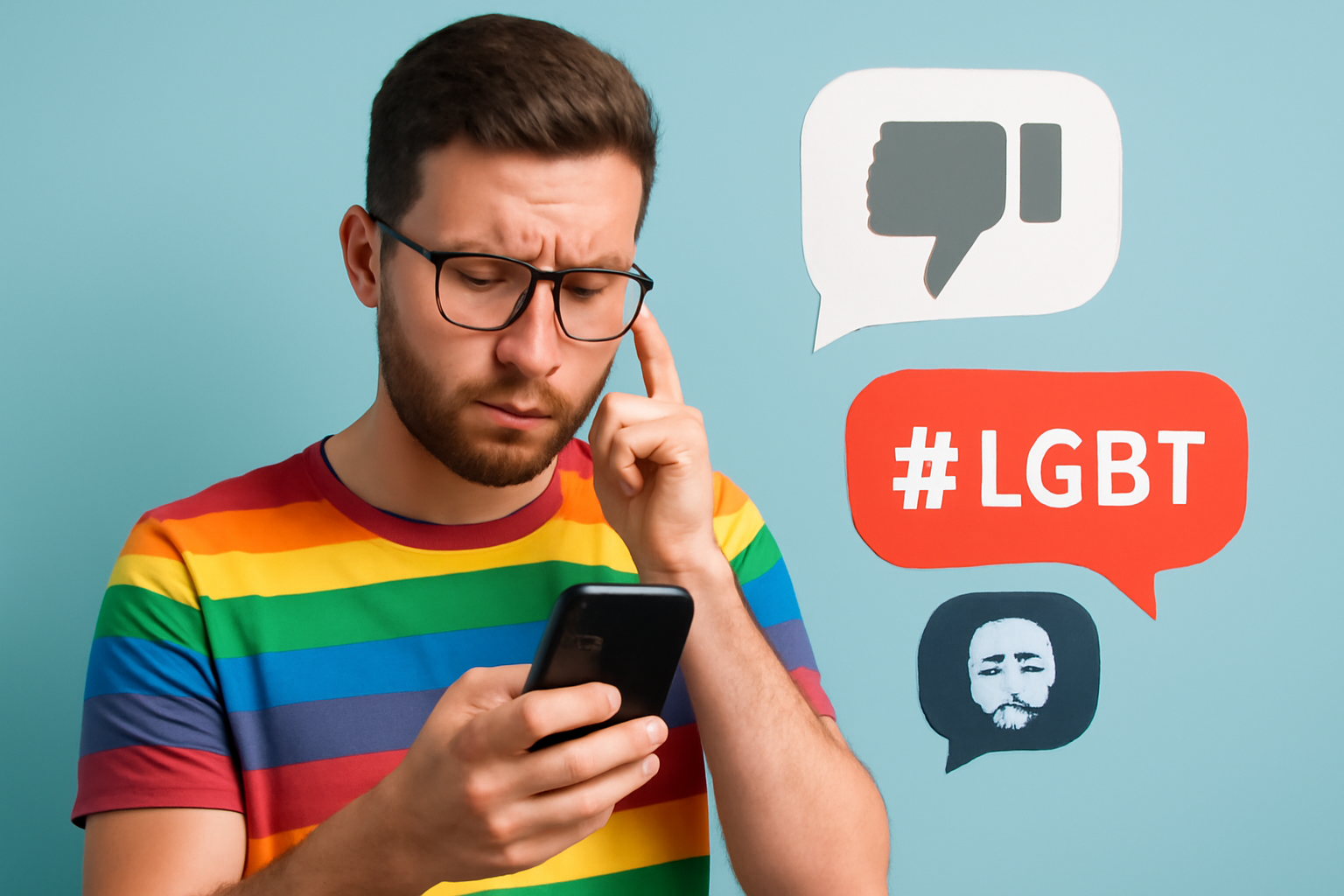
In recent years, social media platforms have become vital spaces for LGBTQ+ communities to connect, share experiences, and raise awareness about issues affecting them. However, the policies and practices of these platforms often come under scrutiny. A recent debate has centered around how one major social media company handles LGBTQ+ content, especially concerning the use of slurs and dehumanizing language.
Challenges Faced by LGBTQ+ Users
LGBTQ+ individuals often rely on social media not only for community building but also for accessing crucial information and finding support. Unfortunately, these platforms can sometimes become hostile environments due to the prevalence of hate speech and discriminatory remarks. While many platforms have community guidelines in place to combat hate speech, the enforcement of these guidelines can vary significantly.
One of the critical issues raised is the inconsistent handling of hate speech, particularly dehumanizing language targeted at LGBTQ+ people. Users have reported instances where slurs and offensive remarks were not taken down, leading to feelings of vulnerability and mistrust toward the platform's moderation policies.
Moderation Policies and Their Impact
Effective content moderation is crucial for maintaining a safe and inclusive environment online. However, the complexity of moderating speech across billions of posts can lead to gaps in policy enforcement. Critics argue that the algorithms and human moderators employed by some social media giants do not always adequately protect marginalized groups from harmful content.
There is concern that certain slurs and derogatory language are being allowed under the guise of "free speech," despite their harmful impact. This raises questions about the criteria used to determine what constitutes acceptable speech and hate speech.
For many LGBTQ+ users, the presence of dehumanizing language on these platforms is more than just words; it is a reminder of broader societal discrimination and exclusion. As a result, some question the platform's commitment to fostering a truly inclusive space.
Community Response and Advocacy
In response to these challenges, LGBTQ+ advocates and allies have been vocal in demanding better protection from hate speech on social media. They argue for clearer guidelines, more rigorous enforcement, and greater transparency in how content is moderated.
Activists emphasize the need for social media companies to engage with LGBTQ+ communities directly to understand their concerns and work collaboratively on solutions. Initiatives such as inclusive policy development and sensitivity training for moderators have been suggested as potential ways forward.
The Way Forward
As conversations around online safety and inclusion continue, it is essential for social media companies to reassess their policies and practices. By prioritizing the safety and well-being of LGBTQ+ users, these platforms can contribute to a more inclusive digital landscape.
Ultimately, fostering a respectful and supportive online environment benefits not only LGBTQ+ individuals but all users. It promotes a culture of empathy and understanding, which is crucial for social progress.
Moving forward, it will be important for social media platforms to listen to the voices of affected communities and implement meaningful changes that reflect a genuine commitment to inclusivity.
In conclusion, while social media has the potential to be a powerful tool for connection and community-building, it also carries the responsibility of protecting its users from harm. By addressing the challenges faced by LGBTQ+ individuals and ensuring robust moderation practices, platforms can help create safer online spaces for everyone.
Related Posts
Supreme Court to Address State Bans on Trans Women in Female Sports
The upcoming U.S. Supreme Court term promises to be a pivotal moment for transgender rights, as the nation's highest court has agreed to evaluate whether states have the authority to prohibit transgender women from participating in female sports competitions. This case, scheduled to be argued in the next term beginning October, is expected to have a significant impact on the future of sports inclu [...]
Megan Rapinoe and Sue Bird Announce Amicable Separation After Ten Years Together
In a heartfelt announcement that resonated deeply within the sports and LGBTQ+ communities, soccer star Megan Rapinoe and basketball legend Sue Bird have revealed their decision to part ways after nearly a decade together. The couple, who have been icons both on and off the field, shared the news with their fans through a joint statement on social media, expressing that the choice was made with mu [...]
Groundbreaking Ruling Ends Sodomy Ban for Police and Military in the Dominican Republic
The Constitutional Court of the Dominican Republic recently delivered a landmark decision on November 18th, ruling that the nation’s police and armed forces are not permitted to criminalize consensual same-sex relations among their personnel. This pivotal ruling is a significant stride towards equality and the protection of LGBTQ+ rights within these institutions. A Resounding Victory for Equal [...]