
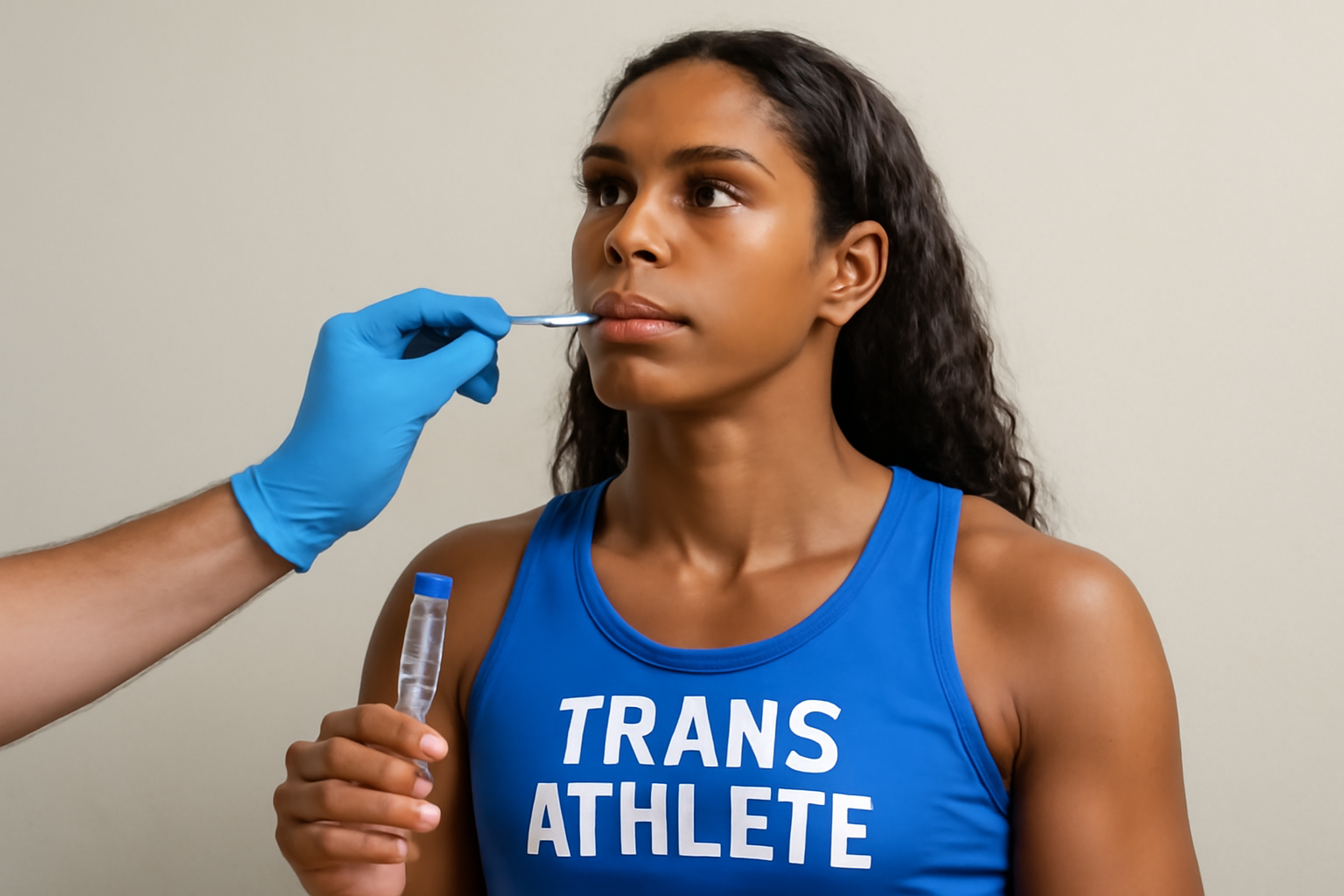
World Athletics, which oversees global track and field sports, has stirred up controversy with a new policy requiring genetic testing on female athletes. Announced by Sebastian Coe, head honcho at World Athletics, this rule aims at addressing how transgender women fit within female sports categories.
The policy means female athletes now have a new hurdle: a genetic test looking specifically at whether they have a Y chromosome. The plan? A simple test like a cotton swab or a blood spot that you'd only have done once in your career. As Coe put it, “The process isn't complicated; it makes sense, and it matters.” They're currently figuring out who'll do these tests and when.
A look back at gender verification in sports
Checking athletes' gender isn't a new thing. From 1958 until 1992, Olympians had their chromosomes screened using something called a Barr Body test. Yet, this method faced heat because it didn't account accurately enough with how humans naturally vary. By 1999, it was clear that using just chromosomes was too narrow, leading IOC officials (International Olympic Committee) away from mandatory verification testing altogether.
This comeback policy from World Athletics has critics up in arms, saying it revives outdated, questionable practices. Geneticists and advocates highlight that having a Y chromosome isn't a reliable marker or indicator athletic prowess people assume. Plus, these exams overlook multifaceted aspects like physical features or mental states that define one's sex and gender.
Ongoing debates and impacts on women's sports
Fairness, inclusion, and maintaining women's sport are at heart in this debate. Some see political motives outweighing scientific backing. Arguments claiming transgender women hold unfair advantages over cisgender counterparts aren't as cut and dried as they might seem - new research challenges that narrative. Transitioning might change muscle or bone composition, potentially putting them at a disadvantage.
Even at elite levels, transgender athlete participation isn't as widespread; few make it onto Olympic stages, let alone snag gold medals, raising doubts about any notable competitive edge.
The political and social ripple effects
This move by World Athletics comes against a backdrop where political moves, especially in countries like America, aim at limiting transgender participation in sports. Some argue these measures ensure fairness or protect Title IX, whereas human rights groups call them discriminatory.
Globally, there are even talks about barring transgender athletes from entering certain countries - all stoking international debates and fears around their rights regarding competing and traveling without bias or exclusion.
As World Athletics navigates these waters with its testing policy, they have challenging balances: ensuring fair competition while also championing inclusiveness and non-discrimination. They're in talks with a testing provider, hoping everything's in place before major events like Outdoor World Championships roll around.
For those keen on staying informed about sports and gender identity, consider subscribing newsletters focusing LGBTQ+ topics.
Tags: transgender athletes, gender verification, World Athletics, sports policy, LGBTQ rights, genetic testing in sports, inclusion in athletics
Related Posts
Supreme Court to Address State Bans on Trans Women in Female Sports
The upcoming U.S. Supreme Court term promises to be a pivotal moment for transgender rights, as the nation's highest court has agreed to evaluate whether states have the authority to prohibit transgender women from participating in female sports competitions. This case, scheduled to be argued in the next term beginning October, is expected to have a significant impact on the future of sports inclu [...]
Megan Rapinoe and Sue Bird Announce Amicable Separation After Ten Years Together
In a heartfelt announcement that resonated deeply within the sports and LGBTQ+ communities, soccer star Megan Rapinoe and basketball legend Sue Bird have revealed their decision to part ways after nearly a decade together. The couple, who have been icons both on and off the field, shared the news with their fans through a joint statement on social media, expressing that the choice was made with mu [...]
Groundbreaking Ruling Ends Sodomy Ban for Police and Military in the Dominican Republic
The Constitutional Court of the Dominican Republic recently delivered a landmark decision on November 18th, ruling that the nation’s police and armed forces are not permitted to criminalize consensual same-sex relations among their personnel. This pivotal ruling is a significant stride towards equality and the protection of LGBTQ+ rights within these institutions. A Resounding Victory for Equal [...]