
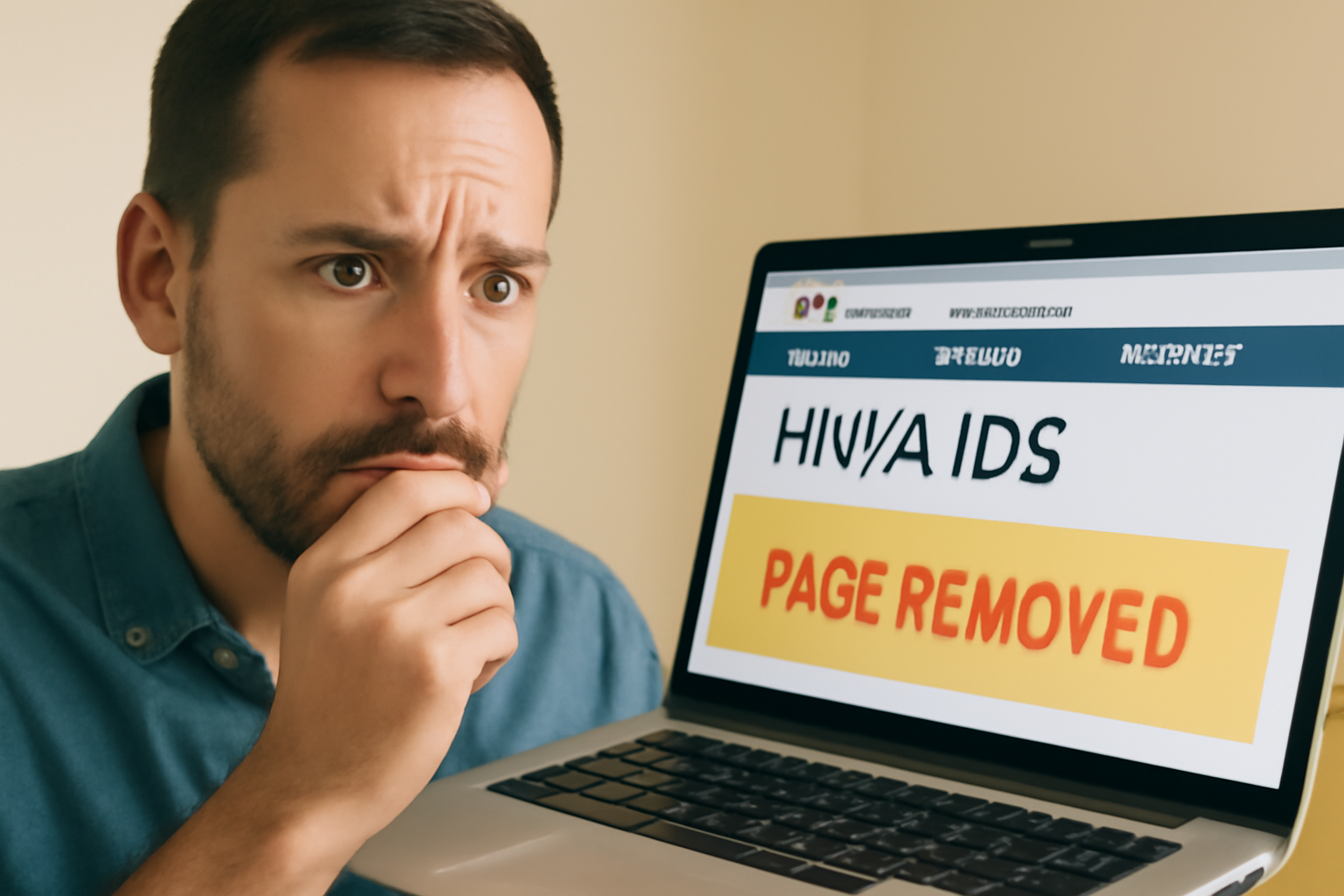
Recently, it has come to light that several federal government websites have undergone significant changes, resulting in the removal of important references to LGBTQ+ and HIV resources. This move has sparked concern and criticism from advocacy groups and individuals who rely on these resources for information and support. In this article, we will explore the implications of these changes and why they are significant to the LGBTQ+ community and those affected by HIV.
Context and Background
The internet serves as a vital tool for accessing information and resources, especially for marginalized communities. Government websites have traditionally provided a wealth of information on various topics, including healthcare, legal rights, and community support for LGBTQ+ individuals and those affected by HIV. These resources are often essential for individuals seeking guidance and assistance in navigating complex healthcare systems and understanding their rights.
However, recent changes to these websites have raised alarms. Mentions of LGBTQ+ issues and HIV resources have been significantly reduced or entirely removed, leading to fears that access to crucial information is being restricted. This development is part of a broader pattern of changes within certain federal departments, reflecting shifts in policy focus.
Impact on the LGBTQ+ Community
The removal of LGBTQ+ and HIV references from government websites can have serious consequences. For many individuals, especially those in more conservative or rural areas, online resources might be their primary source of information. These changes could leave them without access to critical information about their health, rights, and available support networks. This is particularly concerning for young people who may not have other means of accessing this information safely.
Moreover, the omission of LGBTQ+ topics from government platforms can be seen as a symbolic erasure of the community's presence and importance. It sends a message that the needs and concerns of LGBTQ+ individuals are not a priority, which can contribute to feelings of marginalization and invisibility.
Response from Advocacy Groups
LGBTQ+ advocacy groups have been vocal in their criticism of these changes. They argue that this removal of resources is a deliberate attempt to undermine the progress that has been made in recent years towards greater acceptance and inclusion of LGBTQ+ people in society. Many organizations are calling for the restoration of these resources and greater transparency in the decision-making processes behind these changes.
Advocacy groups are also working to fill the gap left by these changes by providing alternative resource directories and information hubs online. These efforts are vital in ensuring that the community continues to have access to the necessary information and support.
Conclusion
The alteration of government websites to remove LGBTQ+ and HIV resources is a significant development that has wide-ranging implications. It underscores the importance of vigilance and advocacy to protect the rights and visibility of marginalized communities. Ensuring that comprehensive and inclusive information is available to everyone is critical for fostering a society where all individuals can thrive.
As we move forward, it is crucial for individuals, communities, and organizations to remain informed and engaged in advocacy efforts. By doing so, we can work towards restoring and improving access to the resources that so many rely on.
The conversation surrounding these changes is ongoing, and it serves as a reminder of the importance of representation and accessibility in all aspects of public life.
For those in need of support, numerous non-governmental organizations and community initiatives continue to offer assistance and information. While the landscape of resources may change, the community's resilience and commitment to support and advocacy remain as strong as ever.
Related Posts
Supreme Court to Address State Bans on Trans Women in Female Sports
The upcoming U.S. Supreme Court term promises to be a pivotal moment for transgender rights, as the nation's highest court has agreed to evaluate whether states have the authority to prohibit transgender women from participating in female sports competitions. This case, scheduled to be argued in the next term beginning October, is expected to have a significant impact on the future of sports inclu [...]
Megan Rapinoe and Sue Bird Announce Amicable Separation After Ten Years Together
In a heartfelt announcement that resonated deeply within the sports and LGBTQ+ communities, soccer star Megan Rapinoe and basketball legend Sue Bird have revealed their decision to part ways after nearly a decade together. The couple, who have been icons both on and off the field, shared the news with their fans through a joint statement on social media, expressing that the choice was made with mu [...]
Groundbreaking Ruling Ends Sodomy Ban for Police and Military in the Dominican Republic
The Constitutional Court of the Dominican Republic recently delivered a landmark decision on November 18th, ruling that the nation’s police and armed forces are not permitted to criminalize consensual same-sex relations among their personnel. This pivotal ruling is a significant stride towards equality and the protection of LGBTQ+ rights within these institutions. A Resounding Victory for Equal [...]