
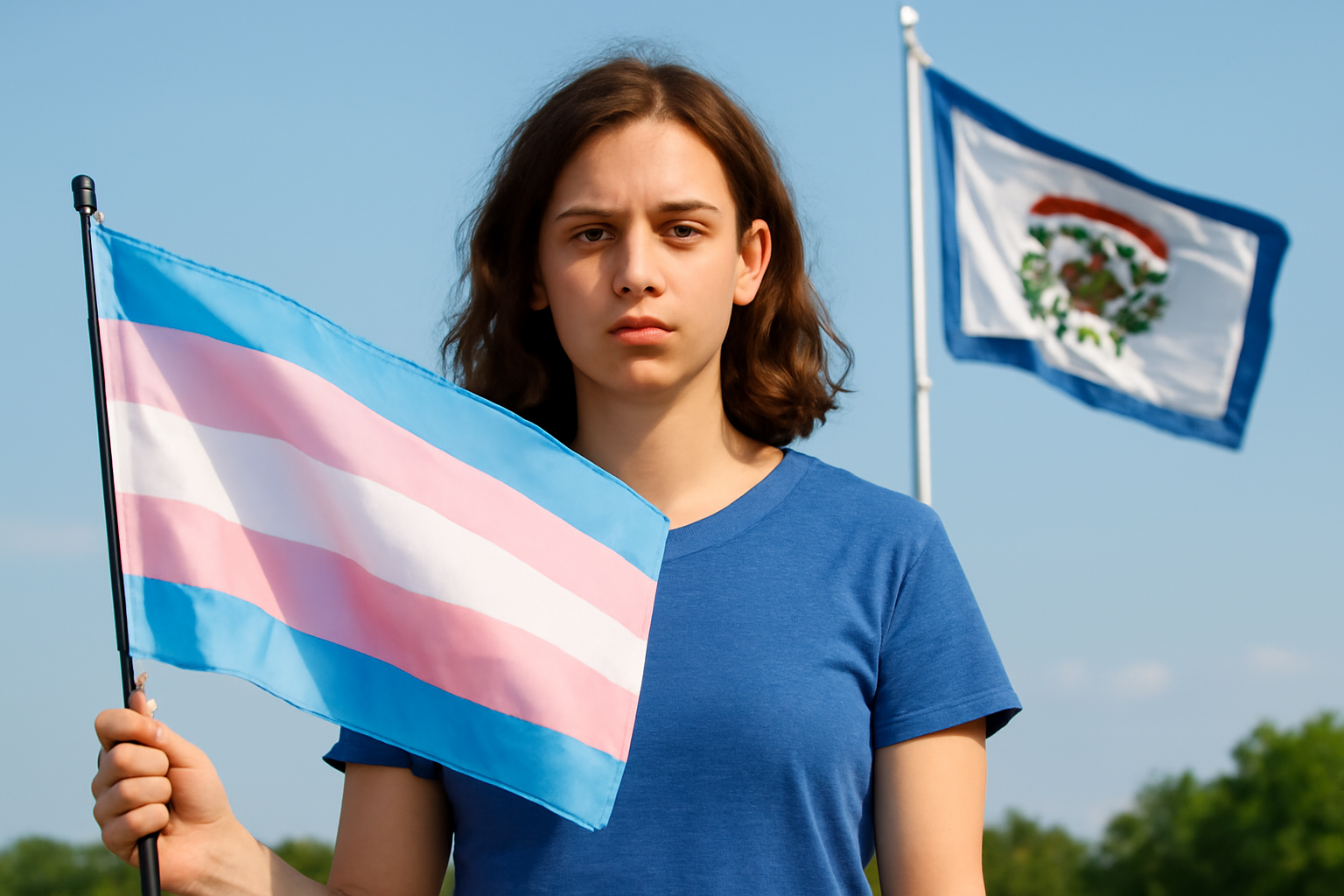
The recent legislative changes in West Virginia have raised significant concerns regarding the rights and recognition of transgender individuals within the state. The new amendments in state law have been characterized by advocacy groups as a significant setback for the transgender community, highlighting the ongoing struggle for equality and recognition in various parts of the United States.
The Details of the Legislative Change
West Virginia's legislative body recently passed a series of amendments that effectively alter the language used in state documents and laws concerning gender identity. These changes have sparked a debate about the implications for legal and social recognition of transgender individuals. The amendments remove specific references to transgender identities from several key areas of state law, which advocates argue could have far-reaching impacts on the rights and daily lives of transgender West Virginians.
One of the most pressing concerns is how these changes might affect the ability of transgender individuals to obtain identification documents that accurately reflect their gender identity. For many, having identification that aligns with their gender is not just a matter of personal affirmation but is also crucial for accessing services, securing employment, and traveling safely. The new legislation raises fears that such access will become more difficult and fraught with challenges.
Responses from Advocacy Groups
LGBTQ+ advocacy organizations have been vocal in their opposition to the amendments, arguing that they undermine years of progress made towards equality and recognition. "This is a step backward," said a spokesperson for one national LGBTQ+ rights organization. "These changes do not reflect the values of inclusion and respect that we strive for in our communities."
Local groups in West Virginia have also mobilized to challenge the amendments. They are working to raise awareness and rally support both within the state and nationally. Efforts include organizing protests, creating petitions, and meeting with legislators to discuss the potential impact on transgender individuals and their families.
One grassroots organization based in Charleston has been particularly active, stating, "Our goal is to ensure that every person in West Virginia, regardless of their gender identity, feels supported and legally recognized. These amendments threaten that fundamental right."
Legal Implications and Challenges
The legal implications of the amendments are still being parsed by legal experts, who warn of potential challenges that might arise as a result. Some speculate that the changes could lead to an increase in legal disputes, as individuals and advocacy groups may seek judicial intervention to restore protections for transgender individuals.
"There's a real possibility of constitutional challenges," explained a civil rights attorney familiar with the case. "The right to privacy and equal protection under the law could be grounds for challenging these amendments in court."
Community Impact and Reaction
The impact of these changes is being felt across the transgender community in West Virginia. Many have expressed fear and uncertainty about what the future holds. One transgender resident shared their concerns, saying, "It's like the state is telling us we don't exist, and that we don't matter. It's dehumanizing and incredibly stressful."
Support networks and community centers are stepping up efforts to provide resources and support to those affected. This includes legal advice, mental health support, and safe spaces where transgender individuals can express their concerns and find community solidarity.
The Path Forward
Despite the challenges, there is a strong sense of resilience within the community. Activists and allies are committed to continuing the fight for recognition and equality. They are calling on supporters from across the nation to join their cause and advocate for the rights of transgender individuals not just in West Virginia, but everywhere.
"We need to keep pushing for change," said one activist. "Our fight isn't over. We will continue to advocate for policies that affirm and protect our rights, and we'll work tirelessly to overturn these changes."
As the conversation continues, it is clear that the struggle for transgender rights in West Virginia is emblematic of broader issues faced by the LGBTQ+ community across the United States. The outcome of this situation could set a precedent for how similar cases are handled in other states, making it a critical moment in the ongoing quest for equality and justice.
The community remains hopeful and determined, drawing strength from one another and their allies as they navigate this challenging landscape.
Related Posts
Supreme Court to Address State Bans on Trans Women in Female Sports
The upcoming U.S. Supreme Court term promises to be a pivotal moment for transgender rights, as the nation's highest court has agreed to evaluate whether states have the authority to prohibit transgender women from participating in female sports competitions. This case, scheduled to be argued in the next term beginning October, is expected to have a significant impact on the future of sports inclu [...]
Megan Rapinoe and Sue Bird Announce Amicable Separation After Ten Years Together
In a heartfelt announcement that resonated deeply within the sports and LGBTQ+ communities, soccer star Megan Rapinoe and basketball legend Sue Bird have revealed their decision to part ways after nearly a decade together. The couple, who have been icons both on and off the field, shared the news with their fans through a joint statement on social media, expressing that the choice was made with mu [...]
Groundbreaking Ruling Ends Sodomy Ban for Police and Military in the Dominican Republic
The Constitutional Court of the Dominican Republic recently delivered a landmark decision on November 18th, ruling that the nation’s police and armed forces are not permitted to criminalize consensual same-sex relations among their personnel. This pivotal ruling is a significant stride towards equality and the protection of LGBTQ+ rights within these institutions. A Resounding Victory for Equal [...]