
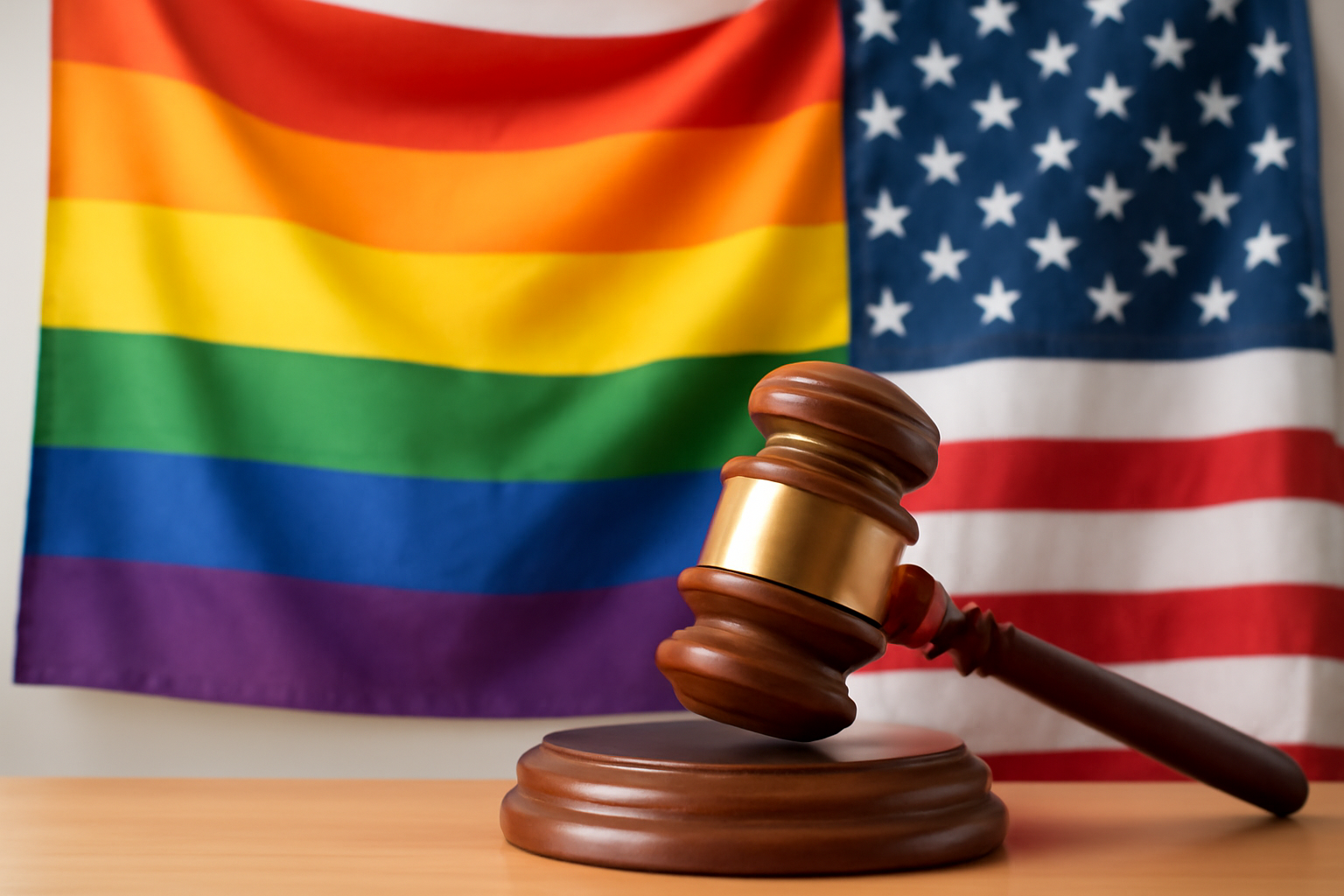
In a significant policy shift, the current administration has made changes to the rules governing federal government contracting, effectively rescinding certain civil rights protections that had been in place since the LBJ era.
Background on Civil Rights in Federal Contracting
During the presidency of Lyndon B. Johnson, critical measures were implemented to ensure non-discrimination in federal contracting. These measures were part of a broader effort to promote civil rights and equal opportunity in the United States. The goal was to prevent discrimination based on race, color, religion, sex, or national origin by companies that entered into contracts with the federal government.
The regulations aimed to create an environment where all individuals had a fair chance at employment and advancement, contributing to a more diverse and inclusive workforce. Over the years, these protections have been expanded and reinforced through various executive orders and legislation, embedding civil rights into the fabric of federal contracting policies.
Recent Changes and Implications
The latest changes announced by the administration have raised concerns among civil rights advocates and affected communities. By revoking specific protections, the administration argues that it is simplifying the contracting process and reducing regulatory burdens on businesses. However, critics point out that this action could lead to increased discrimination and a regression in the progress made over the past decades.
One of the key concerns is that the removal of these protections could disproportionately affect marginalized communities, including racial minorities, women, and LGBTQ+ individuals. These groups have historically faced barriers in accessing equal opportunities in both employment and contracting. The protections that were in place helped to level the playing field and ensure that all contractors adhered to fair employment practices.
The Response from Advocacy Groups
Civil rights organizations and advocacy groups have been vocal in their opposition to these changes. They argue that the rollback undermines decades of progress and could lead to a more discriminatory contracting environment. Many of these groups are calling on lawmakers to take action to reinstate these protections through legislative means.
Several legal challenges are also being considered by civil rights groups, aiming to block the implementation of these changes. The argument is that without these protections, companies may not be held accountable for discriminatory practices, leading to a less equitable workforce.
Potential Impact on the LGBTQ+ Community
The LGBTQ+ community, in particular, is concerned about the implications of these changes. Although sexual orientation and gender identity have not always been explicitly protected under federal law, recent interpretations of civil rights protections have sought to include LGBTQ+ individuals. The revocation of these protections raises fears that discrimination against LGBTQ+ individuals could become more prevalent.
For many in the LGBTQ+ community, the protections offered through federal contracting rules were a vital tool in combating workplace discrimination and ensuring fair treatment. The rollback could signal a step backwards in the fight for equality and inclusion, making it more challenging for LGBTQ+ individuals to secure jobs and contracts with the federal government.
Looking Ahead
As the debate over these changes continues, it is clear that the issue of civil rights in federal contracting is far from settled. Advocacy groups are mobilizing efforts to push back against the rollback and to advocate for stronger protections moving forward. Meanwhile, affected communities are encouraged to remain vigilant and to report any instances of discrimination to the appropriate authorities.
The outcome of this policy change remains to be seen, but it is evident that civil rights in federal contracting will continue to be a topic of critical importance. As the nation grapples with issues of equality and justice, the need for robust protections in all areas of government policy remains crucial.
Related Posts
Supreme Court to Address State Bans on Trans Women in Female Sports
The upcoming U.S. Supreme Court term promises to be a pivotal moment for transgender rights, as the nation's highest court has agreed to evaluate whether states have the authority to prohibit transgender women from participating in female sports competitions. This case, scheduled to be argued in the next term beginning October, is expected to have a significant impact on the future of sports inclu [...]
Megan Rapinoe and Sue Bird Announce Amicable Separation After Ten Years Together
In a heartfelt announcement that resonated deeply within the sports and LGBTQ+ communities, soccer star Megan Rapinoe and basketball legend Sue Bird have revealed their decision to part ways after nearly a decade together. The couple, who have been icons both on and off the field, shared the news with their fans through a joint statement on social media, expressing that the choice was made with mu [...]
Groundbreaking Ruling Ends Sodomy Ban for Police and Military in the Dominican Republic
The Constitutional Court of the Dominican Republic recently delivered a landmark decision on November 18th, ruling that the nation’s police and armed forces are not permitted to criminalize consensual same-sex relations among their personnel. This pivotal ruling is a significant stride towards equality and the protection of LGBTQ+ rights within these institutions. A Resounding Victory for Equal [...]