
Economic Challenges Amidst Governmental Changes
Argentina is currently experiencing profound transformations in its economic and social landscapes following the inauguration of President Javier Milei in December 2023. These shifts are significantly influencing various aspects of society, particularly impacting retirees and the LGBTQ community.
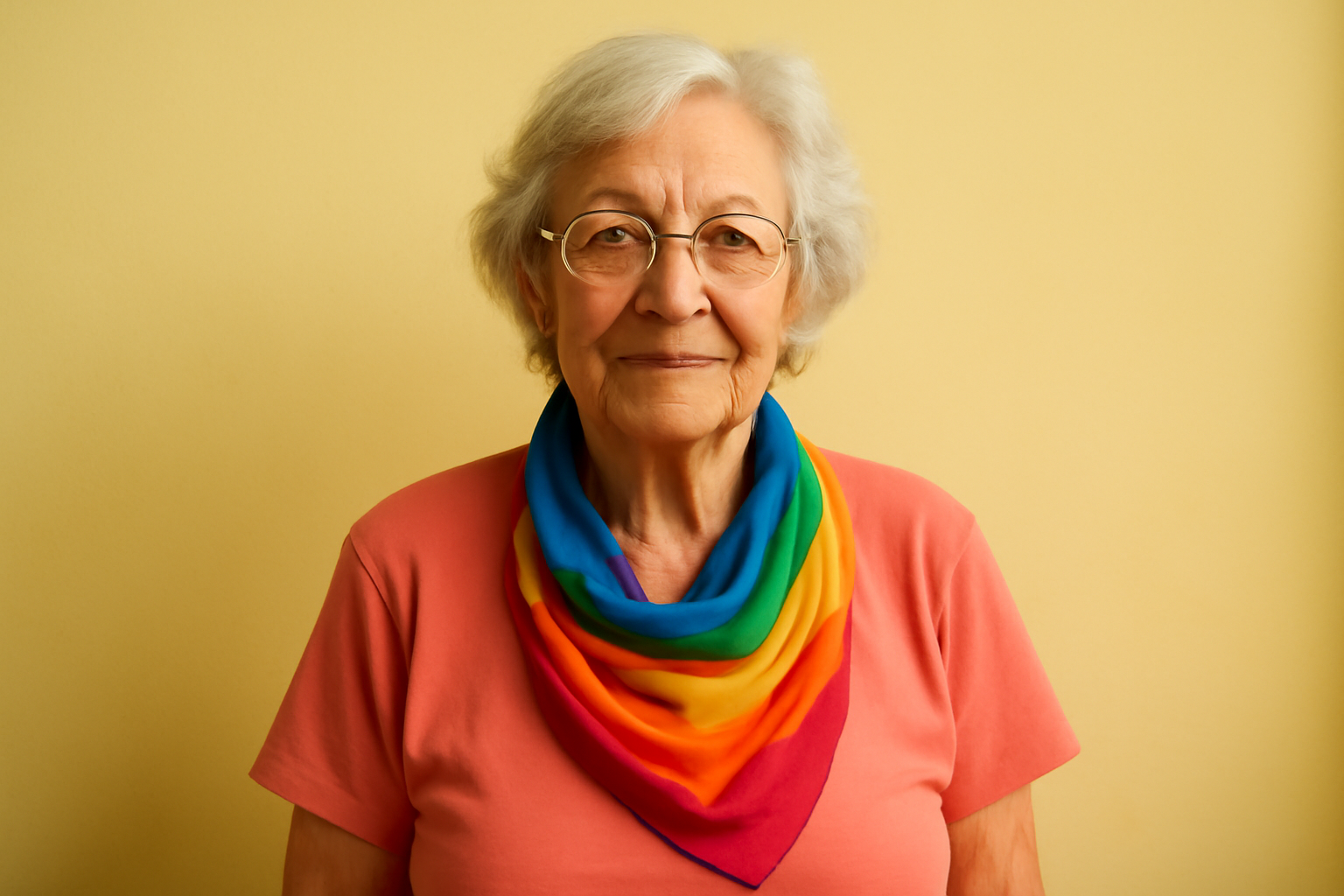
Mercedes Caracciolo, a 79-year-old sociologist and a steadfast advocate for lesbian rights, shared her personal account of the situation. She noted, "With Milei's government initiating with a harsh currency devaluation, I've had to become much more cautious with my expenses." Caracciolo, who supplements her income with rent from properties she owns, acknowledges that the situation is far more dire for those who rely solely on pensions.
In Argentina, over 7 million citizens receive pensions. However, due to the rapid loss of purchasing power, many find themselves teetering on the brink of poverty. The government's libertarian economic strategies have severely impacted their standard of living, sparking nationwide protests against these policies.
The reduction in social programs and the absence of targeted public policies for LGBTQ individuals have exacerbated the hardships faced by senior citizens. The economic instability hits hardest those who have historically been marginalized, with limited employment opportunities and insufficient retirement provisions. Many older LGBTQ individuals, lacking traditional family structures, find themselves without the necessary support networks, compounded by an increasingly absent state presence.
Social Insecurity and the Rise of Conservatism
The resurgence of conservative ideologies has fostered an atmosphere of insecurity and fear. Graciela Balestra, a psychologist and president of Puerta Abierta a la Diversidad, Argentina's pioneering residence for LGBTQ seniors, elaborates, "There is no longer a sense of security or stability in old age." She adds that many LGBTQ retirees are deeply concerned about the erosion of rights, observing the global right-wing movements and fearing for the hard-won achievements that are now at risk.
Beyond economic struggles, the LGBTQ community in Argentina confronts additional hurdles. Caracciolo highlights how many supportive spaces have suffered reductions or eliminations of government funding, thereby weakening vital community networks essential for the well-being of LGBTQ seniors. "Community networks depend on state support for various expenses," she explains.
The psychological toll is significant, as Balestra warns. "There's a palpable increase in anxiety and fear. People express fears for their lives or feel hesitant to express their identities openly. Where they once felt safe holding hands with partners in public, now there's a visible retreat. The sense of hopelessness is overwhelming."
Balestra's concerns extend beyond the LGBTQ community, touching on broader societal issues. "The economic situation, the rights issue, the looming fear of a return to authoritarian rule—these are all terrifying. Plus, there's the despair of believing these conditions might persist, unchanged even after future elections," she says.
Activism and the Call for Change
Civil society groups have vocally opposed the "adjustments" made by Milei's administration concerning gender and diversity policies. Pride marches in Argentina have evolved into platforms for protesting against the president's policies, particularly his rhetoric perceived as antagonistic toward the LGBTQ community.
Balestra emphasizes the fear is shared collectively. "Human rights, women's rights—these are perceived as regressing. Machismo is resurging, and this creates profound despair among older generations," she asserts.
Despite the prevailing uncertainty, Balestra remains hopeful about the enduring spirit of resistance. "We continue our work as always," she says, reflecting on the 25 years of commitment at Puerta Abierta. "We hold reflection groups, cultural workshops, social meetings, consistently reinforcing awareness of LGBTQ rights. We never cease meeting; lately, our discussions increasingly focus on issues we had moved past—like coming out, fear, visibility. These conversations are critical once again."
This resilient approach underscores a determination that, even in dire circumstances, the community remains steadfast in facing challenges head-on and advocating for a brighter, more inclusive future.
Related Posts
Supreme Court to Address State Bans on Trans Women in Female Sports
The upcoming U.S. Supreme Court term promises to be a pivotal moment for transgender rights, as the nation's highest court has agreed to evaluate whether states have the authority to prohibit transgender women from participating in female sports competitions. This case, scheduled to be argued in the next term beginning October, is expected to have a significant impact on the future of sports inclu [...]
Megan Rapinoe and Sue Bird Announce Amicable Separation After Ten Years Together
In a heartfelt announcement that resonated deeply within the sports and LGBTQ+ communities, soccer star Megan Rapinoe and basketball legend Sue Bird have revealed their decision to part ways after nearly a decade together. The couple, who have been icons both on and off the field, shared the news with their fans through a joint statement on social media, expressing that the choice was made with mu [...]
Groundbreaking Ruling Ends Sodomy Ban for Police and Military in the Dominican Republic
The Constitutional Court of the Dominican Republic recently delivered a landmark decision on November 18th, ruling that the nation’s police and armed forces are not permitted to criminalize consensual same-sex relations among their personnel. This pivotal ruling is a significant stride towards equality and the protection of LGBTQ+ rights within these institutions. A Resounding Victory for Equal [...]