
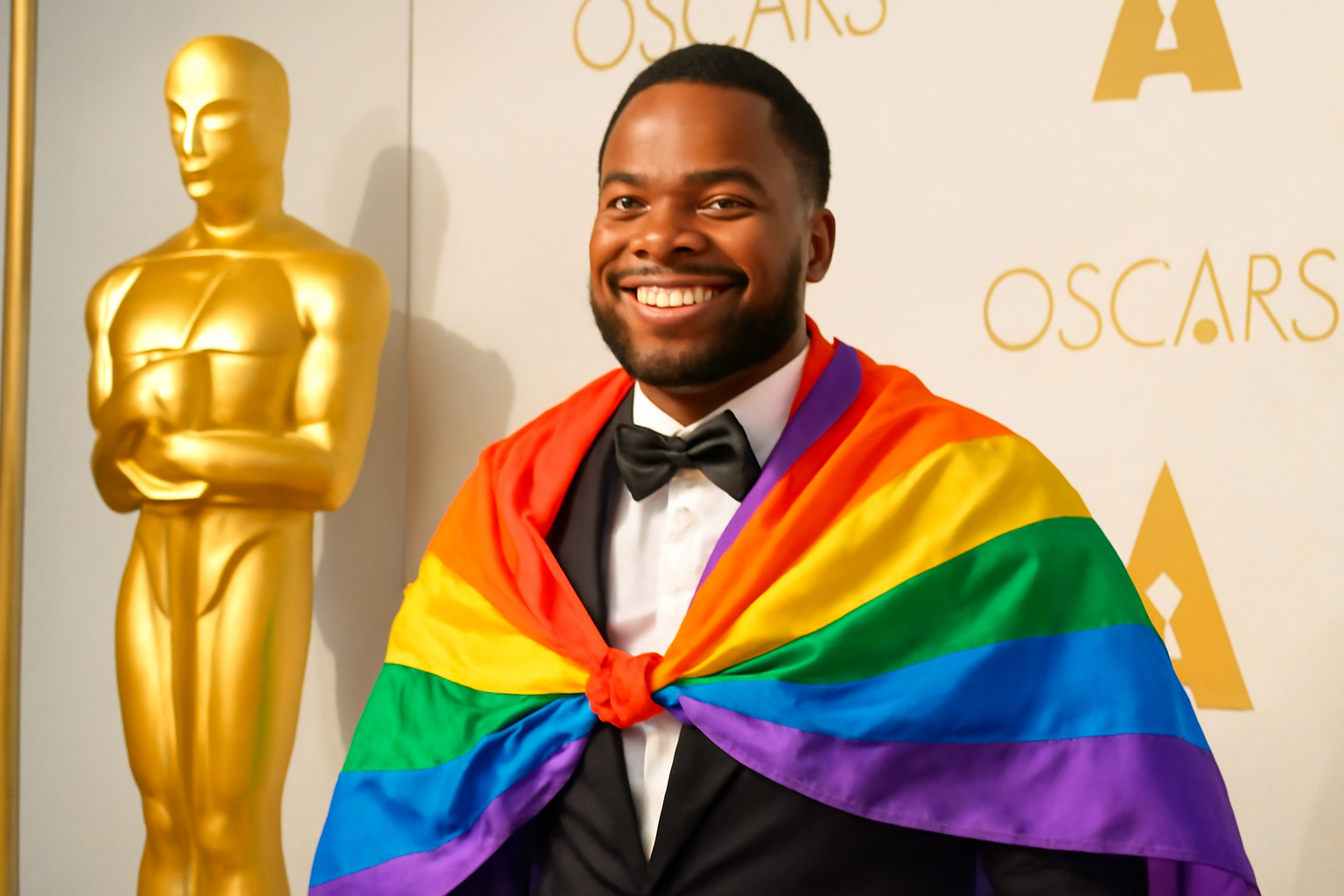
The annual Academy Awards, also known as the Oscars, have long been a place where the best of the film industry is celebrated. However, for many years, the ceremony and its awards have been criticized for a lack of diversity and representation, particularly when it comes to the LGBTQ+ community. In recent years, steps have been taken to address these issues and to better represent the rich diversity of queer voices in cinema. But what does it truly mean to be queer at the Oscars? How far have we come, and how far do we still have to go?
A Changing Landscape
The landscape of the Oscars is slowly but surely changing. In the past decade, there have been several groundbreaking moments for LGBTQ+ representation. Films such as "Moonlight," which won Best Picture in 2017, tell deeply personal stories about queer experiences. This marked a significant moment in Oscar history, highlighting the importance of diverse storytelling and the power of representation.
Another milestone was the success of "Call Me By Your Name," a coming-of-age romance that captivated audiences worldwide. The film's screenplay, penned by openly gay writer James Ivory, won the Oscar for Best Adapted Screenplay, proving that authentic queer narratives could be embraced by the mainstream.
Visibility and Authenticity
Visibility is crucial in the fight for equality, and the Oscars offer a highly visible platform. When queer stories and characters are celebrated on such a stage, it sends a powerful message to audiences everywhere. However, visibility alone is not enough; authenticity is key. It is essential that queer stories are told by queer filmmakers, writers, and actors to ensure that these narratives are portrayed with accuracy and respect.
Fortunately, there are many talented queer individuals in the film industry who are making their voices heard. Directors like Todd Haynes and Ava DuVernay, along with actors such as Laverne Cox and Billy Porter, have become influential figures both within and outside the LGBTQ+ community. Their work not only entertains but also educates and inspires, challenging stereotypes and offering new perspectives.
The Road Ahead
While there have been significant strides in queer representation at the Oscars, there is still much work to be done. Many LGBTQ+ stories remain untold, and there is a lack of diversity within the diversity, as stories of queer people of color, transgender individuals, and other underrepresented groups are still not as prevalent as they should be.
Moreover, behind the scenes, there is still a need for greater inclusivity among the decision-makers in Hollywood. Ensuring that queer voices are present in all aspects of filmmaking—from writing and directing to production and distribution—is essential for true progress.
The Oscars, as one of the most watched and influential award shows in the world, have the power to set trends and inspire change. By continuing to recognize and celebrate diverse narratives, the Academy can play a vital role in fostering an inclusive environment where every story has a chance to be told.
Conclusion
Being queer at the Oscars is about more than just winning awards; it's about visibility, representation, and the power of storytelling. As the film industry continues to evolve, it is crucial that we support and uplift queer voices. By doing so, the Oscars can help pave the way for a more inclusive and understanding world, where everyone, regardless of their identity, can see themselves on screen and know that their stories matter.
In the end, the goal is not just to be seen but to be understood and celebrated for who we are. As we look to the future, let us continue to advocate for more diverse and authentic representations at the Oscars and beyond.
Related Posts
Supreme Court to Address State Bans on Trans Women in Female Sports
The upcoming U.S. Supreme Court term promises to be a pivotal moment for transgender rights, as the nation's highest court has agreed to evaluate whether states have the authority to prohibit transgender women from participating in female sports competitions. This case, scheduled to be argued in the next term beginning October, is expected to have a significant impact on the future of sports inclu [...]
Megan Rapinoe and Sue Bird Announce Amicable Separation After Ten Years Together
In a heartfelt announcement that resonated deeply within the sports and LGBTQ+ communities, soccer star Megan Rapinoe and basketball legend Sue Bird have revealed their decision to part ways after nearly a decade together. The couple, who have been icons both on and off the field, shared the news with their fans through a joint statement on social media, expressing that the choice was made with mu [...]
Groundbreaking Ruling Ends Sodomy Ban for Police and Military in the Dominican Republic
The Constitutional Court of the Dominican Republic recently delivered a landmark decision on November 18th, ruling that the nation’s police and armed forces are not permitted to criminalize consensual same-sex relations among their personnel. This pivotal ruling is a significant stride towards equality and the protection of LGBTQ+ rights within these institutions. A Resounding Victory for Equal [...]