
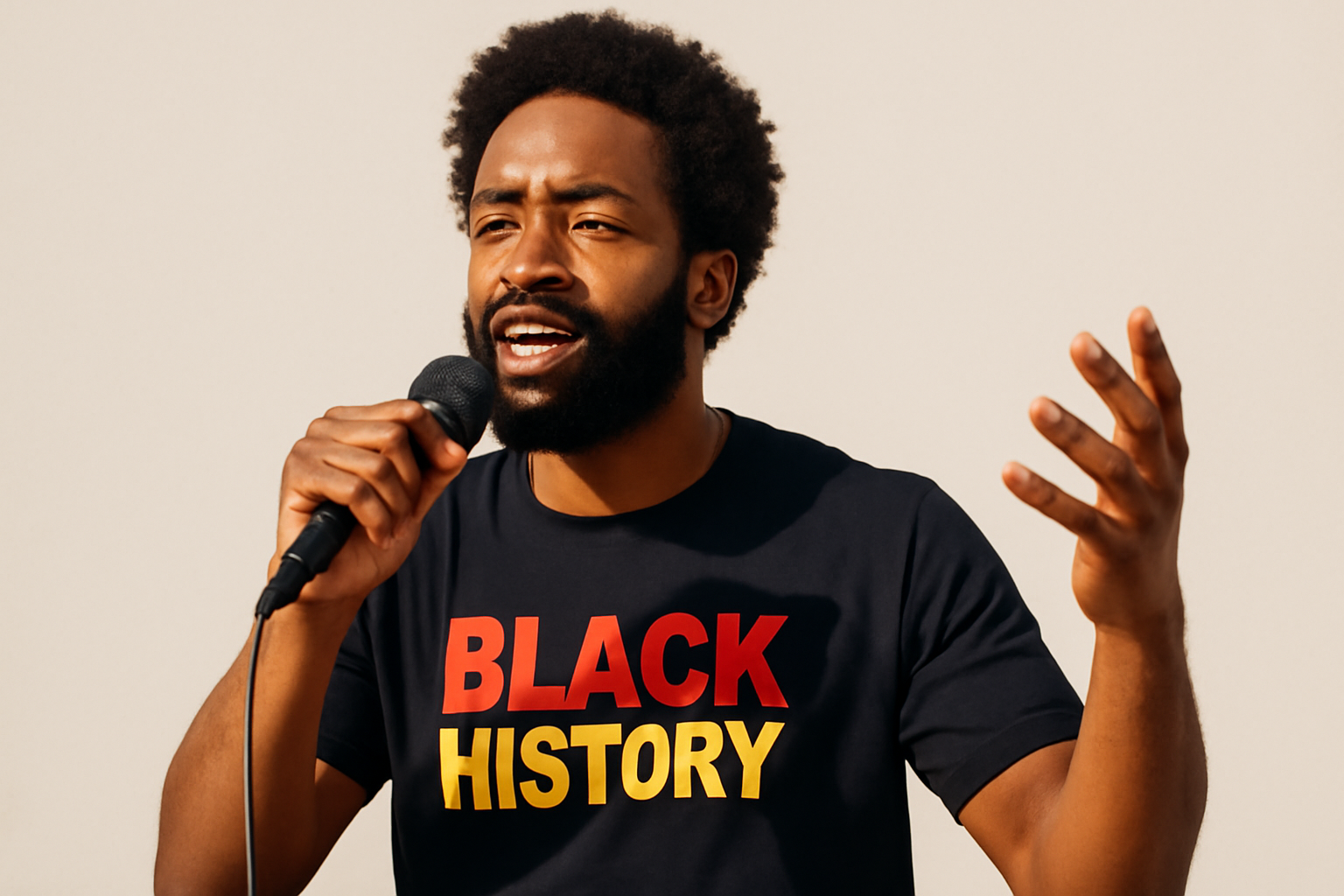
Black history isn't something that should depend on anyone's approval—it's a vital part that stands on its own. Remember that bizarre incident during Black History Month back in 2017? It really showcased how some folks don't quite get its importance.
At a White House event kicking off Black History Month that year, many people were left scratching their heads over what was said by then-President. When talking about Frederick Douglass, who was a leading voice in ending slavery and passed away in 1895, he was described as "somebody who's done an amazing job and getting recognized more and more." It was like he was talking about someone still alive! This showed a real misunderstanding about Douglass's incredible contributions.
Things got even murkier when that year's White House press secretary tried explaining it all away. It felt a bit like those funny misrepresentations you'd see on "Drunk History."
why black history month matters
These stories highlight just why Black History Month remains so important. After Barack Obama became president, some folks wondered if we still needed it, thinking maybe we'd moved past those old issues. But his election didn't magically erase all racial problems. The idea that America became "post-racial" just isn't true.
Obama's presidency was historic, sure, but it didn't change everything. Many Black Americans' daily realities show that deeply rooted racial issues are far from gone, challenging this "post-racial" myth.
Take Martin Luther King Jr.'s "I Have a Dream" speech, often twisted out-of-context. People have misused it when arguing against measures like Affirmation Action or reparations—policies designed, in part, about addressing historical wrongs.
combating myths and misunderstandings
Misunderstandings about race keep popping up politically. Criticisms against Black History Month often come with cries against "identity politics" and alleged "special rights." However, these complaints overlook how identity politics have historically benefited numerous groups, including white Americans.
For example, prior administrations have shown bias with funding cuts meant combat white supremacy or shrug off racial incidents. It's these inconsistencies that fuel debates about why celebrations like Black History Month remain essential.
honoring resilience and survival
Despite such hurdles, Black History Month embodies persistence and endurance. After surviving slavery, battling Jim Crow, and facing systemic prejudice, Black Americans continue excelling. Their history digs deep roots and offers guidance, needing no outside validation.
Celebrating Black history goes beyond just remembering—it's about honoring a legacy and inspiring change. Reflecting on its impact enriches our understanding, keeping traditions alive and vibrant.
Want more stories and up-to-date information about LGBTQ+ and Black communities? Subscribe now and engage with us as we celebrate Black history's rich culture and contributions.
Related Posts
Supreme Court to Address State Bans on Trans Women in Female Sports
The upcoming U.S. Supreme Court term promises to be a pivotal moment for transgender rights, as the nation's highest court has agreed to evaluate whether states have the authority to prohibit transgender women from participating in female sports competitions. This case, scheduled to be argued in the next term beginning October, is expected to have a significant impact on the future of sports inclu [...]
Megan Rapinoe and Sue Bird Announce Amicable Separation After Ten Years Together
In a heartfelt announcement that resonated deeply within the sports and LGBTQ+ communities, soccer star Megan Rapinoe and basketball legend Sue Bird have revealed their decision to part ways after nearly a decade together. The couple, who have been icons both on and off the field, shared the news with their fans through a joint statement on social media, expressing that the choice was made with mu [...]
Groundbreaking Ruling Ends Sodomy Ban for Police and Military in the Dominican Republic
The Constitutional Court of the Dominican Republic recently delivered a landmark decision on November 18th, ruling that the nation’s police and armed forces are not permitted to criminalize consensual same-sex relations among their personnel. This pivotal ruling is a significant stride towards equality and the protection of LGBTQ+ rights within these institutions. A Resounding Victory for Equal [...]