
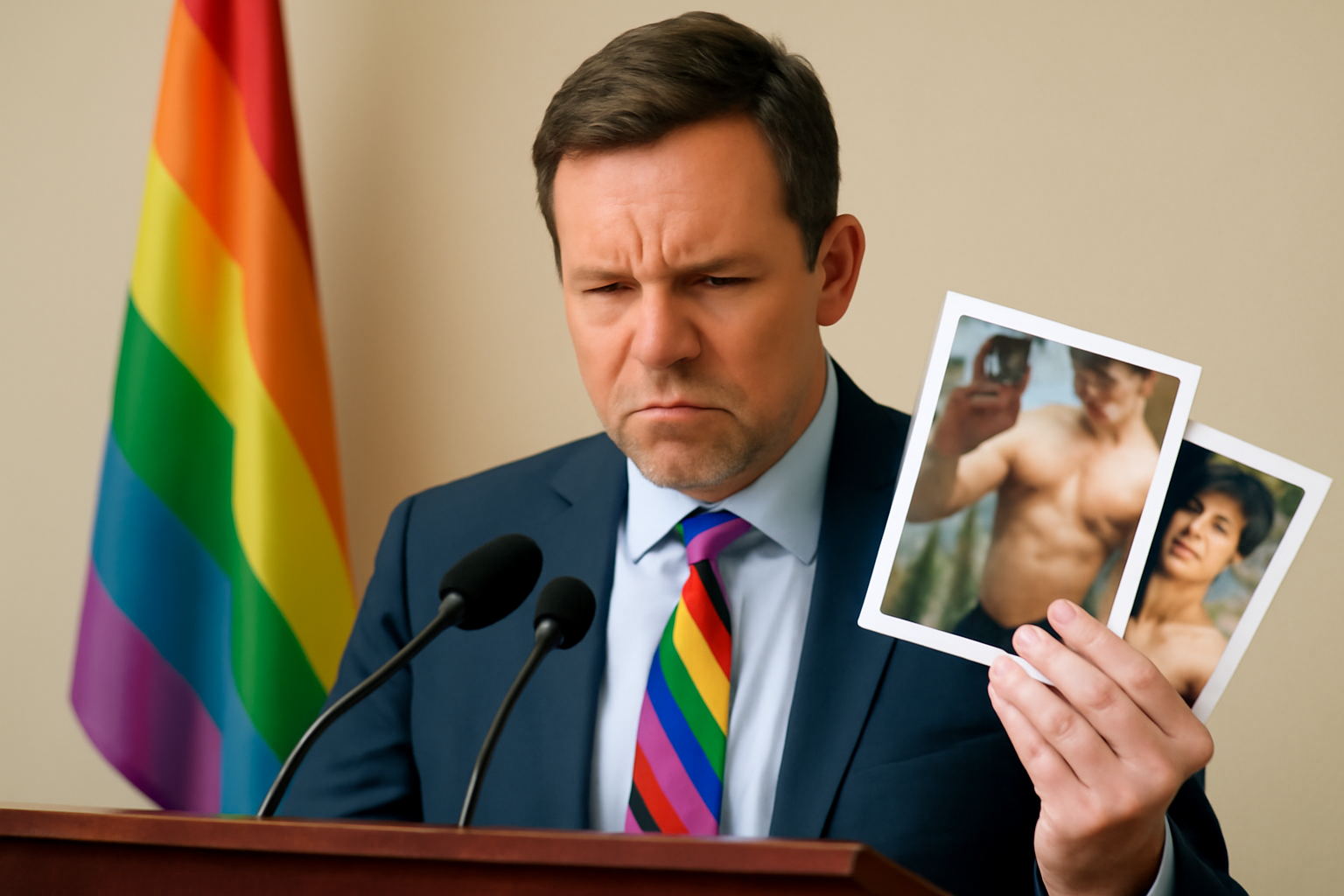
In a shocking turn of events, the political landscape has been shaken by recent calls for the withdrawal of a candidate from an important election. The controversy centers around the release of private, intimate photos of the candidate, sparking a heated debate about privacy, dignity, and the nature of public service.
Background of the Controversy
The candidate in question, known for their advocacy for LGBTQ+ rights, has been a prominent figure in the political scene. Their campaign has been characterized by a strong stance on equality and inclusion, resonating with many voters.
However, the recent publication of nude photos, reportedly taken in a private context, has led to a significant backlash from some quarters.
These images were allegedly obtained without the candidate's consent and have been circulated widely, raising critical questions about privacy and the ethics of such a revelation.
Public and Political Reactions
The release of these photos has led to a flurry of responses from political figures, community leaders, and the public. Some political opponents have called for the candidate to step down, citing the scandal as a distraction from the issues at hand.
One notable figure, a well-known political leader, publicly demanded the candidate's withdrawal, framing the incident as a matter of moral integrity.
However, this demand has been met with significant resistance from supporters of the candidate, who argue that the invasion of privacy is the real moral issue at stake.
Supporters of the candidate have rallied, emphasizing the importance of focusing on the policies and values the candidate represents rather than personal matters that have been dragged into the public eye without consent.
Many have taken to social media to express their solidarity, using hashtags and slogans that underscore the candidate's commitment to defending privacy rights and personal freedoms.
Debate on Privacy and Public Life
This incident has reignited the debate about the balance between a public figure's right to privacy and their role in public life. Many argue that while public figures should expect some level of scrutiny, there are still boundaries that should not be crossed.
The unauthorized release of private images is seen by many as a gross infringement on personal privacy, irrespective of the public role an individual may hold.
Legal experts have weighed in, suggesting that the dissemination of such material could be subject to legal action, particularly if it can be proven that the images were obtained and shared without consent.
This has prompted discussions about existing laws regarding digital privacy and the protection of individuals from such violations.
Impact on the Election
As the election approaches, the impact of this controversy remains uncertain. While some voters may be swayed by the scandal, others are calling for a deeper examination of the issues that truly matter, such as policies on equality, healthcare, and economic reform.
The candidate has continued to campaign vigorously, addressing the issue directly and reaffirming their dedication to serving the community.
In speeches and public appearances, the candidate has highlighted the need for a politics of respect and empathy, urging constituents to consider the broader implications of privacy invasions and to stand firm against such breaches.
Conclusion and Moving Forward
The call for the candidate to withdraw from the race over private photos is a pivotal moment that underscores the complexities of modern political life. It serves as a stark reminder of the challenges faced by those in public service, particularly in the digital age where personal boundaries can be easily overstepped.
As the discourse continues, it remains vital for voters and leaders alike to consider the principles of respect, dignity, and justice as they navigate this and other challenges.
The outcome of the election will not only determine the political future of the candidate but will also reflect societal attitudes towards privacy, acceptance, and the ethical standards expected of both public figures and their critics.
Related Posts
Supreme Court to Address State Bans on Trans Women in Female Sports
The upcoming U.S. Supreme Court term promises to be a pivotal moment for transgender rights, as the nation's highest court has agreed to evaluate whether states have the authority to prohibit transgender women from participating in female sports competitions. This case, scheduled to be argued in the next term beginning October, is expected to have a significant impact on the future of sports inclu [...]
Megan Rapinoe and Sue Bird Announce Amicable Separation After Ten Years Together
In a heartfelt announcement that resonated deeply within the sports and LGBTQ+ communities, soccer star Megan Rapinoe and basketball legend Sue Bird have revealed their decision to part ways after nearly a decade together. The couple, who have been icons both on and off the field, shared the news with their fans through a joint statement on social media, expressing that the choice was made with mu [...]
Groundbreaking Ruling Ends Sodomy Ban for Police and Military in the Dominican Republic
The Constitutional Court of the Dominican Republic recently delivered a landmark decision on November 18th, ruling that the nation’s police and armed forces are not permitted to criminalize consensual same-sex relations among their personnel. This pivotal ruling is a significant stride towards equality and the protection of LGBTQ+ rights within these institutions. A Resounding Victory for Equal [...]