
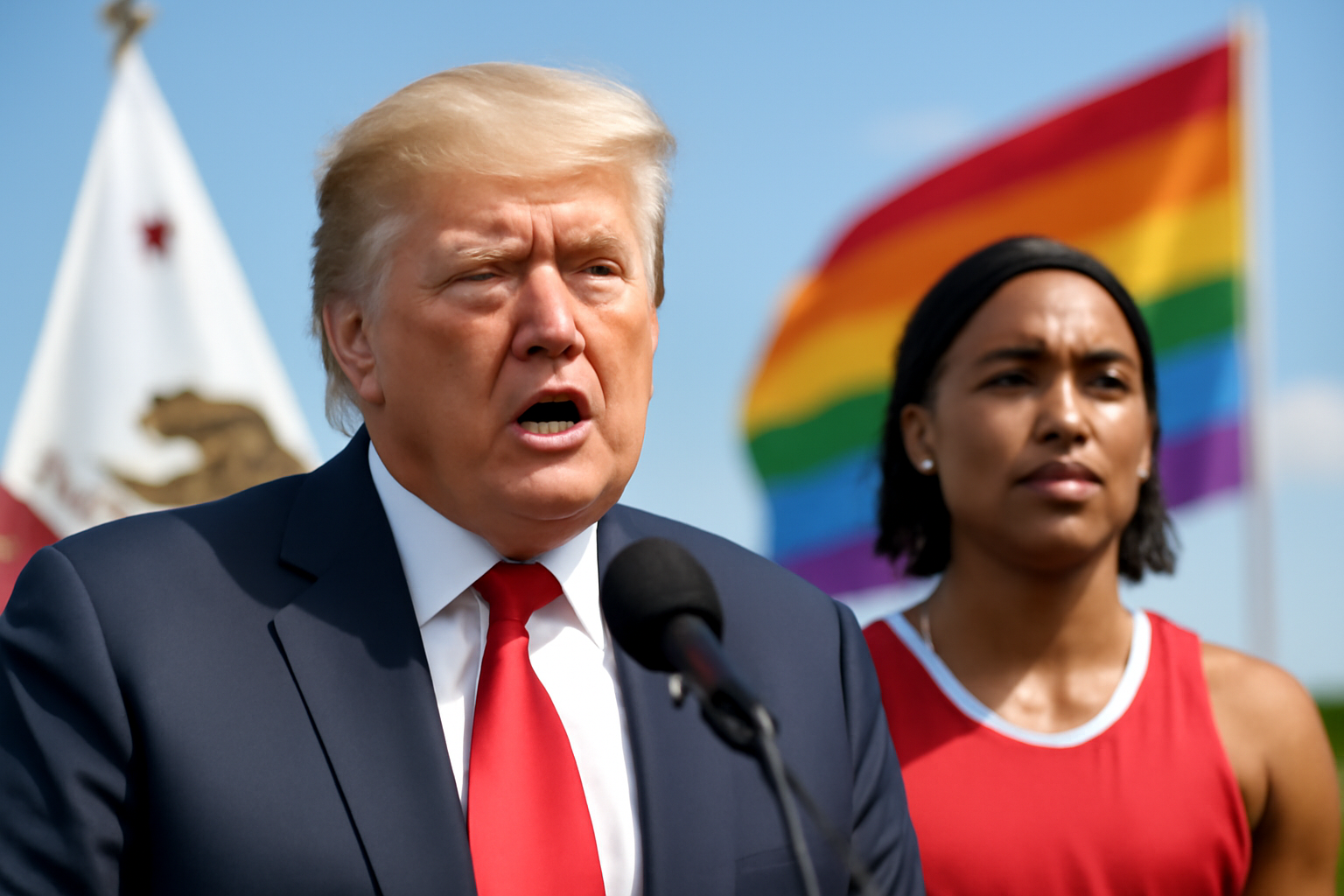
The ongoing debate on transgender athletes
The topic's been hotly debated across states, with policies differing widely. California, known far and wide as a trailblazer in LGBTQ+ rights, has put in place rules that support transgender athletes. These policies let transgender folks compete on teams that align with their gender identity rather than their birth-assigned sex.The legal challenge: Trump vs. California
Trump's lawsuit claims California's policies discriminate against cisgender athletes. His argument? These rules might upset fairness, especially in women's sports, due in part, he says, because biological differences could offer an edge. This case taps right back in a bigger national conversation on transgender rights in sports. Advocates passionately argue in favor, shouting inclusivity and alignment with gender identity, whereas critics worry about fairness and balancing competition. This lawsuit reignites those fiery debates, highlighting ongoing tensions between what's considered fair and what's inclusive. Those backing Trump's move aim at fairness on all playing fields, while opponents see it as yet another hurdle thrown at an already marginalized community.California's commitment toward transgender rights
California's long been leading from upfront in fighting LGBTQ+ rights, and its stance on transgender athletes follows suit. The state's policies work toward making every part life—from school halls and sports fields—a place where everyone feels they belong. California's regulations say that educational and sports organizations must let transgender athletes compete in line with their gender identity. These rules stem from a belief that no student should be left out from sports team access due solely on gender identity. California's officials are set on steadfast defense. The lawsuit's destined face fierce opposition from LGBTQ+ activists and civil rights defenders who see it as a frontal attack on rights.Potential national impact from this lawsuit
The results could ripple far past California's borders, influencing how states handle policies on this issue. The decision might either underpin or challenge protections currently in place across America. Advocates are keeping an eagle eye on this case, knowing it might set precedents impacting broader LGBTQ+ communities. Should California's policies withstand, it could strengthen national defenses; should they fall, other states might follow suit with restrictive measures.Public reaction and future outlook
The lawsuit's stirred up a storm with reactions pouring in from sports groups, schools, parents, and athletes. It's a mix that underscores this issue's complexity. Some push creating spaces where all feel welcome, others stay firm in needing maintain competitive fairness. As this case winds through courtrooms, it'll become center stage in ongoing debates intersecting sports, gender, and legal rights. No matter which side wins, discussions around transgender athletes are far from over, marking this lawsuit as just one piece in an ongoing national dialogue.Related Posts
Supreme Court to Address State Bans on Trans Women in Female Sports
The upcoming U.S. Supreme Court term promises to be a pivotal moment for transgender rights, as the nation's highest court has agreed to evaluate whether states have the authority to prohibit transgender women from participating in female sports competitions. This case, scheduled to be argued in the next term beginning October, is expected to have a significant impact on the future of sports inclu [...]
Megan Rapinoe and Sue Bird Announce Amicable Separation After Ten Years Together
In a heartfelt announcement that resonated deeply within the sports and LGBTQ+ communities, soccer star Megan Rapinoe and basketball legend Sue Bird have revealed their decision to part ways after nearly a decade together. The couple, who have been icons both on and off the field, shared the news with their fans through a joint statement on social media, expressing that the choice was made with mu [...]
Groundbreaking Ruling Ends Sodomy Ban for Police and Military in the Dominican Republic
The Constitutional Court of the Dominican Republic recently delivered a landmark decision on November 18th, ruling that the nation’s police and armed forces are not permitted to criminalize consensual same-sex relations among their personnel. This pivotal ruling is a significant stride towards equality and the protection of LGBTQ+ rights within these institutions. A Resounding Victory for Equal [...]