
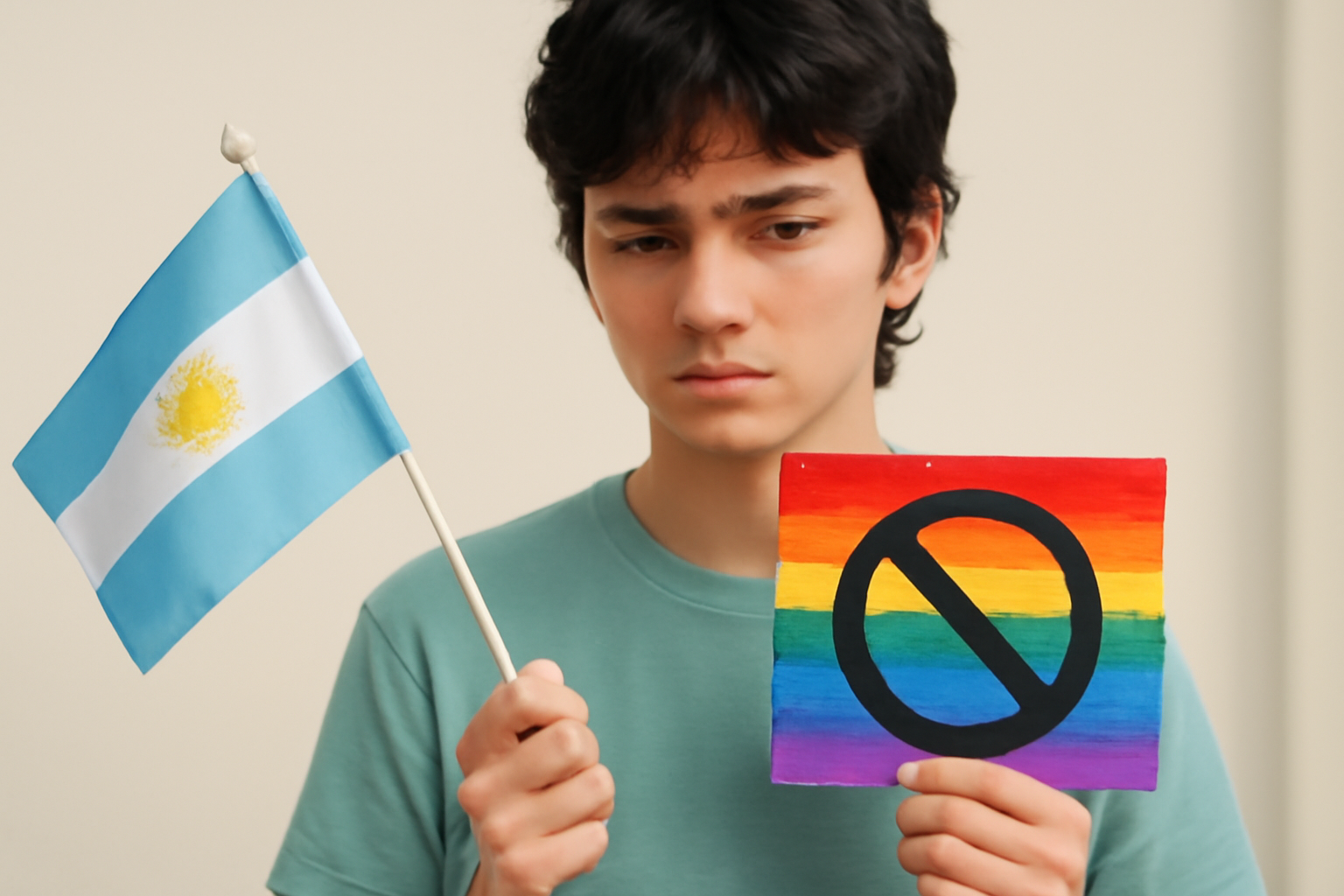
In a controversial move, Argentina's right-wing government, under the leadership of President Javier Milei, has issued a decree that bans gender-affirming healthcare for individuals under 18 years of age. This decision was announced on February 6th and has sparked widespread concern both domestically and internationally, drawing parallels to similar legislative actions in countries such as the United Kingdom, Sweden, and Finland.
According to a statement from the president's office, the decree aims to address what it describes as the dangers of "gender ideology," claiming that applying such ideologies to children constitutes a form of abuse. The spokesperson stated, "Gender ideology taken to extremes and applied to children by force or psychological coercion clearly constitutes child abuse." Despite these claims, there is no available evidence indicating that children in Argentina are being coerced into undergoing gender-affirming procedures.
This legislative change further mandates that transgender individuals who are incarcerated be placed in facilities corresponding to the gender assigned to them at birth, rather than their identified gender. Such measures represent a significant shift in Argentina’s policies regarding LGBTQ+ rights, harking back to an era before progressive reforms were established.
A Step Backward
Argentina has been regarded as a leader in LGBTQ+ rights, especially following the enactment of a groundbreaking self-identification law in 2012. This law allowed individuals to self-identify their gender without needing to undergo medical procedures or gain judicial approval, setting a precedent not only in the region but around the world.
International LGBTQ+ advocacy groups have voiced strong opposition to the new decree. ILGA World, a prominent rights organization, has condemned the policy, suggesting that it fosters stigmatization and criminalizes gender diversity. A spokesperson for ILGA World remarked, "Argentina was a beacon in the region, by recognizing the right to gender identity without pathologisation or judicialisation. This regression, imposed by decree without parliamentary debate or the participation of the sectors affected, constitutes an abuse of executive power and a blow to democratic institutions." The organization is urging Argentina's supreme court to intervene and overturn the decree.
Public Response and International Reactions
The decree was met with considerable backlash within Argentina, with thousands of citizens taking to the streets of Buenos Aires to protest in support of LGBTQ+ rights. These demonstrations reflect the public's dissatisfaction with President Milei's broader policies, especially his views on progressive movements. The president has been quoted as describing various progressive causes, including trans rights and feminism, as detrimental to society, going so far as to label them a "cancer that must be extirpated." Such rhetoric has only further inflamed tensions and fueled protests.
Internationally, the policy shift is raising alarms among human rights groups who fear it may set a precedent for other nations contemplating similar measures. The decree not only challenges Argentina's status as a leader in LGBTQ+ rights but also highlights the fragile state of social progress globally.
The Path Forward
As Argentina grapples with this divisive policy change, the future of LGBTQ+ rights and gender-affirming care within the country remains uncertain. Advocates are calling for a repeal of the decree and for a return to more inclusive and progressive policies. The current situation underscores the ongoing struggle for equal rights and the need for vigilance in preserving hard-won social gains.
The controversy surrounding the decree highlights the critical role of public discourse and activism in shaping policy and protecting minority rights. As the nation and the world watch closely, the actions taken in response to this decree will undoubtedly influence the broader conversation about gender identity, healthcare, and human rights.
Share your thoughts on this topic! Let us know your opinions in the comments below and remember to keep the discussion respectful and constructive.
Related Posts
Supreme Court to Address State Bans on Trans Women in Female Sports
The upcoming U.S. Supreme Court term promises to be a pivotal moment for transgender rights, as the nation's highest court has agreed to evaluate whether states have the authority to prohibit transgender women from participating in female sports competitions. This case, scheduled to be argued in the next term beginning October, is expected to have a significant impact on the future of sports inclu [...]
Megan Rapinoe and Sue Bird Announce Amicable Separation After Ten Years Together
In a heartfelt announcement that resonated deeply within the sports and LGBTQ+ communities, soccer star Megan Rapinoe and basketball legend Sue Bird have revealed their decision to part ways after nearly a decade together. The couple, who have been icons both on and off the field, shared the news with their fans through a joint statement on social media, expressing that the choice was made with mu [...]
Groundbreaking Ruling Ends Sodomy Ban for Police and Military in the Dominican Republic
The Constitutional Court of the Dominican Republic recently delivered a landmark decision on November 18th, ruling that the nation’s police and armed forces are not permitted to criminalize consensual same-sex relations among their personnel. This pivotal ruling is a significant stride towards equality and the protection of LGBTQ+ rights within these institutions. A Resounding Victory for Equal [...]