
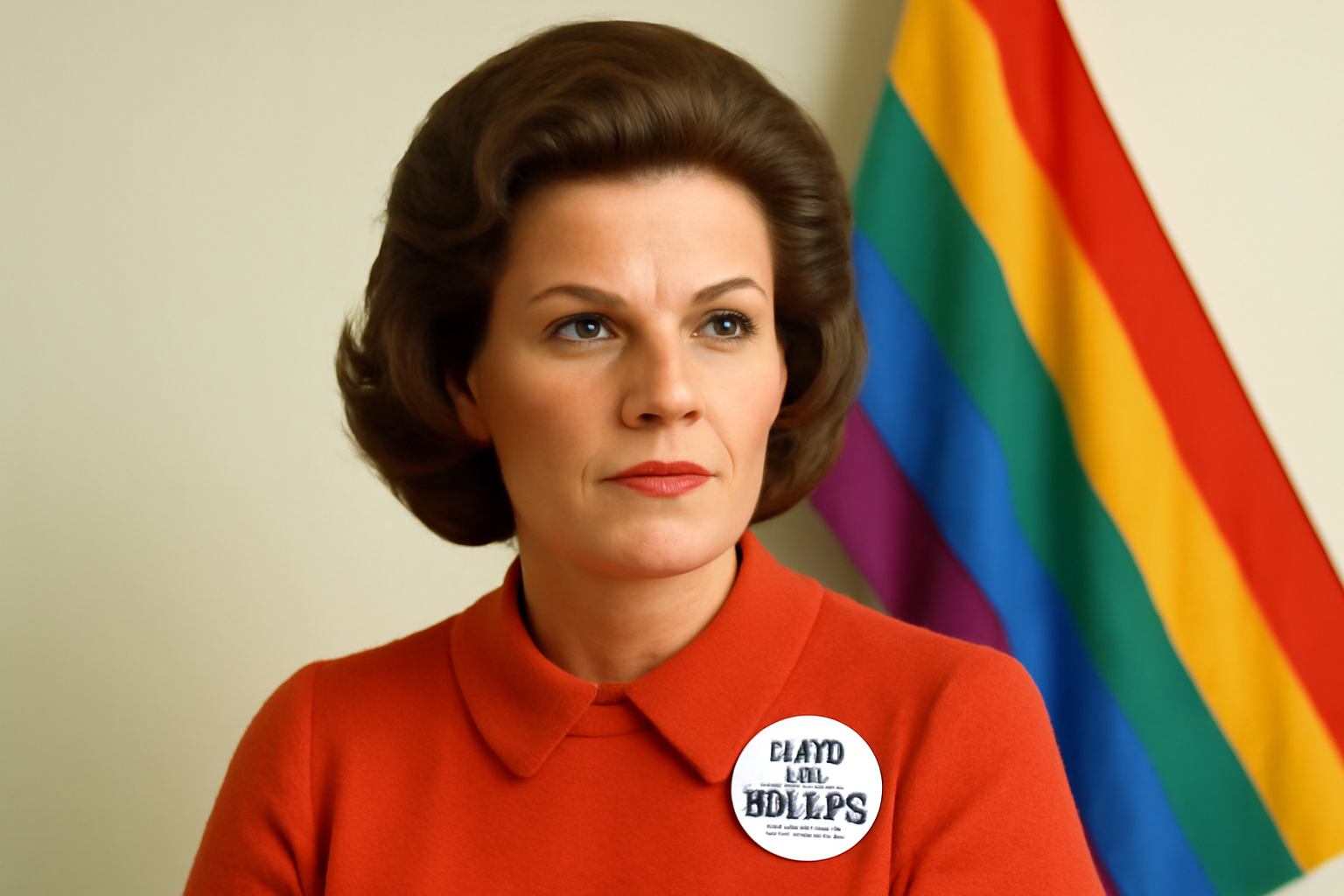
Anita Bryant, once a prominent figure in the entertainment industry, became an unexpected symbol of controversy and activism in the late 1970s. Known primarily for her work as a singer and brand ambassador for Florida orange juice, Bryant's legacy took a significant turn when she became a vocal opponent of gay rights. Her campaign against the LGBTQ+ community left a lasting impact, sparking discussions and debates that continue to resonate today.
Born in Oklahoma in 1940, Bryant's early life was marked by her talent as a singer. She achieved popularity in the 1960s with hits such as "Paper Roses" and "My Little Corner of the World." Her wholesome image and musical success led to her being chosen as the spokesperson for the Florida Citrus Commission, where she became the face of orange juice for many Americans. However, it was her foray into social activism that defined her public image in a more controversial light.
The Campaign Against LGBTQ+ Rights
In 1977, Anita Bryant became the leader of a campaign called "Save Our Children," which aimed to repeal a recently passed ordinance in Dade County, Florida, that prohibited discrimination based on sexual orientation. Bryant argued that the ordinance threatened the safety and moral fabric of families, famously stating that "homosexuals cannot reproduce, so they must recruit." Her rhetoric and activism gained national attention and sparked significant backlash from LGBTQ+ activists and their allies.
The campaign was successful in its immediate goal; the ordinance was repealed by a significant margin. However, the movement also galvanized pro-LGBTQ+ activists, leading to organized opposition and the eventual formation of groups dedicated to defending LGBTQ+ rights. While Bryant celebrated the repeal as a victory, it also marked the beginning of a new era of LGBTQ+ activism, as communities across the nation became more mobilized and vocal in their fight for equality.
Legacy and Impact
Anita Bryant's actions in the late 1970s had a profound impact on both the LGBTQ+ community and the broader social landscape. Her campaign served as a catalyst for increased visibility and activism among gay rights organizations, ultimately contributing to the broader push for LGBTQ+ rights in the United States. Ironically, while Bryant intended to diminish the influence of the LGBTQ+ community, her efforts had the opposite effect, strengthening the resolve and visibility of activists fighting for equality.
Despite her success in repealing the Dade County ordinance, Bryant's career suffered greatly. Many LGBTQ+ rights organizations and their supporters boycotted Florida orange juice, leading to significant economic repercussions for the citrus industry. Bryant's image, once associated with family-friendly entertainment and wholesome values, was now inextricably linked to controversy and divisiveness.
Reflections on a Controversial Figure
Today, Anita Bryant is remembered as a polarizing figure whose actions inadvertently strengthened the resolve of the LGBTQ+ rights movement. While her campaign against gay rights failed to achieve long-term success, it played an important role in sparking national conversations about discrimination and equality. As society continues to evolve and discussions about LGBTQ+ rights progress, Bryant's legacy serves as a reminder of the challenges faced by those who seek to resist change.
The story of Anita Bryant is not just a tale of activism and controversy, but also a testament to the resilience and determination of the LGBTQ+ community. Her legacy, though fraught with opposition and conflict, ultimately highlights the power of activism and the importance of standing up for one's rights, even in the face of adversity.
Related Posts
Supreme Court to Address State Bans on Trans Women in Female Sports
The upcoming U.S. Supreme Court term promises to be a pivotal moment for transgender rights, as the nation's highest court has agreed to evaluate whether states have the authority to prohibit transgender women from participating in female sports competitions. This case, scheduled to be argued in the next term beginning October, is expected to have a significant impact on the future of sports inclu [...]
Megan Rapinoe and Sue Bird Announce Amicable Separation After Ten Years Together
In a heartfelt announcement that resonated deeply within the sports and LGBTQ+ communities, soccer star Megan Rapinoe and basketball legend Sue Bird have revealed their decision to part ways after nearly a decade together. The couple, who have been icons both on and off the field, shared the news with their fans through a joint statement on social media, expressing that the choice was made with mu [...]
Groundbreaking Ruling Ends Sodomy Ban for Police and Military in the Dominican Republic
The Constitutional Court of the Dominican Republic recently delivered a landmark decision on November 18th, ruling that the nation’s police and armed forces are not permitted to criminalize consensual same-sex relations among their personnel. This pivotal ruling is a significant stride towards equality and the protection of LGBTQ+ rights within these institutions. A Resounding Victory for Equal [...]