
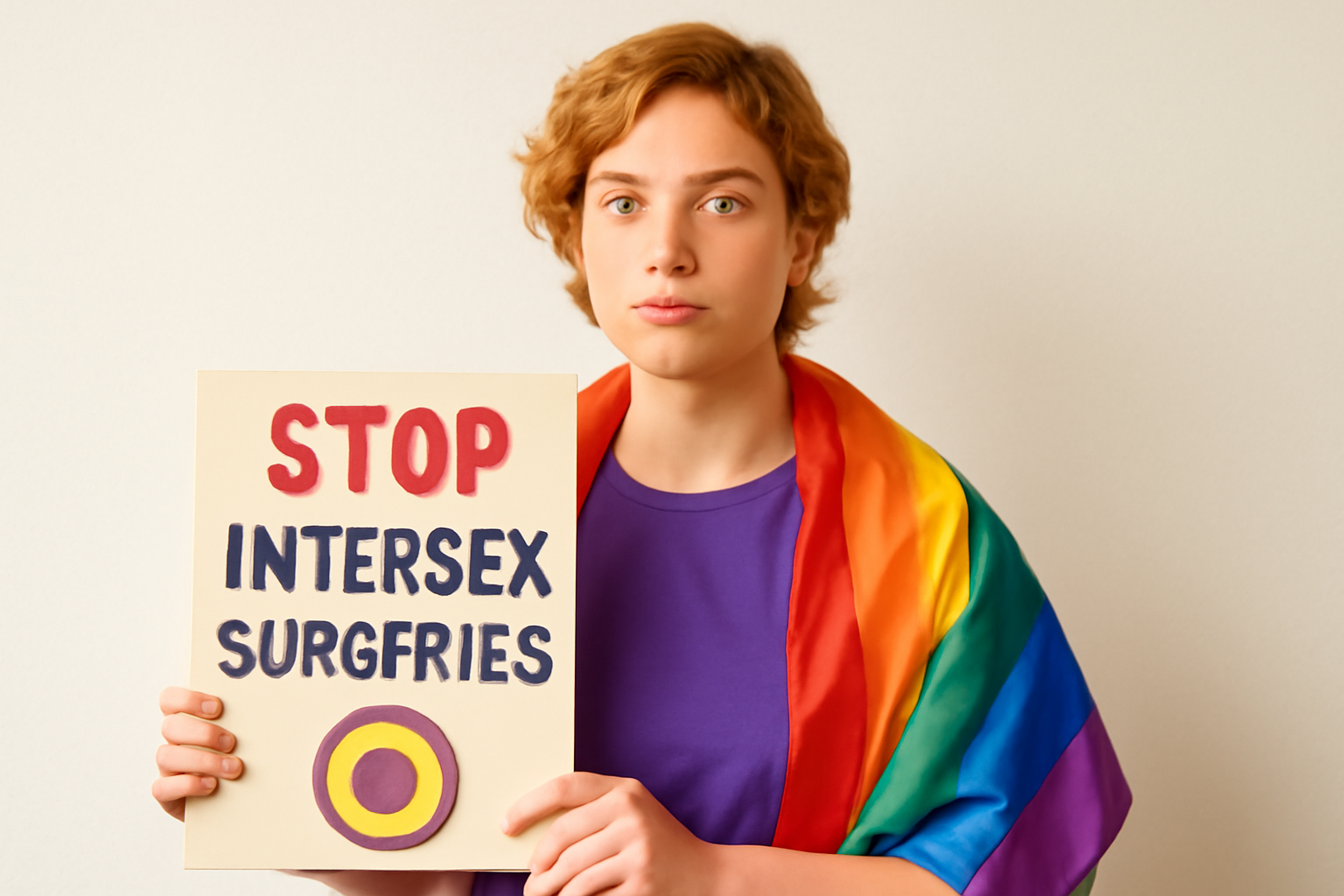
In a significant move towards protecting intersex individuals, a major health organization has announced its opposition to nonconsensual surgeries performed on intersex children. This decision marks a pivotal moment in the ongoing struggle for human rights and bodily autonomy for intersex people, emphasizing the need for consent and informed decision-making in medical procedures.
The Background on Intersex Surgeries
Intersex individuals are born with physical sex characteristics that don’t fit typical binary notions of male or female bodies. According to experts, approximately 1.7% of the global population possesses intersex traits, making intersex variations as common as having red hair. Despite the prevalence, intersex people often face significant medical interventions aimed at "normalizing" their bodies, often without their informed consent.
Historically, these surgeries have been performed on infants or young children, based on the assumption that they will help the child fit into societal gender norms. However, these procedures can result in severe physical and psychological consequences, including loss of sexual function, chronic pain, and trauma. Many intersex adults have spoken out against these early surgeries, advocating for the right to bodily autonomy and self-determination.
The Health Organization's New Stance
In light of these concerns, the health organization has issued a statement advocating against nonconsensual medical procedures on intersex individuals. The statement highlights the importance of delaying any irreversible surgeries until the individual is old enough to participate in the decision-making process themselves.
The organization underscores that "interventions on intersex children should not be undertaken without the individual's fully informed consent, except in cases where urgent medical necessity is established." This landmark stance is expected to influence medical practices and policies, encouraging healthcare providers to reconsider their approach to intersex variations.
Support from Human Rights Advocates
This move has been warmly welcomed by human rights advocates and organizations dedicated to the rights of intersex people. Activists have long called for the cessation of these surgeries, citing the violation of human rights and the need for bodily integrity.
"This is a huge step forward," said one activist. "For too long, intersex people have been subjected to unnecessary medical interventions that leave lasting scars. Now, with this new policy, we have a chance to make sure future generations are spared the trauma of nonconsensual surgeries."
Intersex advocacy groups have been pivotal in raising awareness about the issues faced by intersex individuals. By sharing personal stories and highlighting the negative outcomes of past surgeries, they have brought the conversation to a broader audience, garnering more support for their cause.
A Global Perspective on Intersex Rights
The organization's stance is part of a growing global movement advocating for the rights of intersex people. Several countries, including Malta, have already passed legislation banning nonconsensual surgeries on intersex children, setting a precedent for others to follow.
International organizations like the United Nations have also called for an end to these practices, recognizing them as human rights violations. As more countries and institutions join the movement, there is hope for significant changes in how intersex variations are perceived and treated worldwide.
Moving Forward
While the announcement marks a positive shift, advocates stress that the fight for intersex rights is far from over. Continuous education and awareness are crucial to ensure that medical professionals and society as a whole respect and understand the needs of intersex individuals.
It is essential for parents, educators, and healthcare providers to support intersex children in exploring their identity, free from the pressures of conforming to traditional gender norms. By fostering an environment of acceptance and understanding, society can help intersex people lead healthy, fulfilling lives.
In conclusion, the organization's stand against nonconsensual intersex surgeries is a significant victory in the fight for human rights. It sends a powerful message about the importance of bodily autonomy and sets the stage for further advancements in the recognition and acceptance of intersex individuals across the globe.
Related Posts
Supreme Court to Address State Bans on Trans Women in Female Sports
The upcoming U.S. Supreme Court term promises to be a pivotal moment for transgender rights, as the nation's highest court has agreed to evaluate whether states have the authority to prohibit transgender women from participating in female sports competitions. This case, scheduled to be argued in the next term beginning October, is expected to have a significant impact on the future of sports inclu [...]
Megan Rapinoe and Sue Bird Announce Amicable Separation After Ten Years Together
In a heartfelt announcement that resonated deeply within the sports and LGBTQ+ communities, soccer star Megan Rapinoe and basketball legend Sue Bird have revealed their decision to part ways after nearly a decade together. The couple, who have been icons both on and off the field, shared the news with their fans through a joint statement on social media, expressing that the choice was made with mu [...]
Groundbreaking Ruling Ends Sodomy Ban for Police and Military in the Dominican Republic
The Constitutional Court of the Dominican Republic recently delivered a landmark decision on November 18th, ruling that the nation’s police and armed forces are not permitted to criminalize consensual same-sex relations among their personnel. This pivotal ruling is a significant stride towards equality and the protection of LGBTQ+ rights within these institutions. A Resounding Victory for Equal [...]