
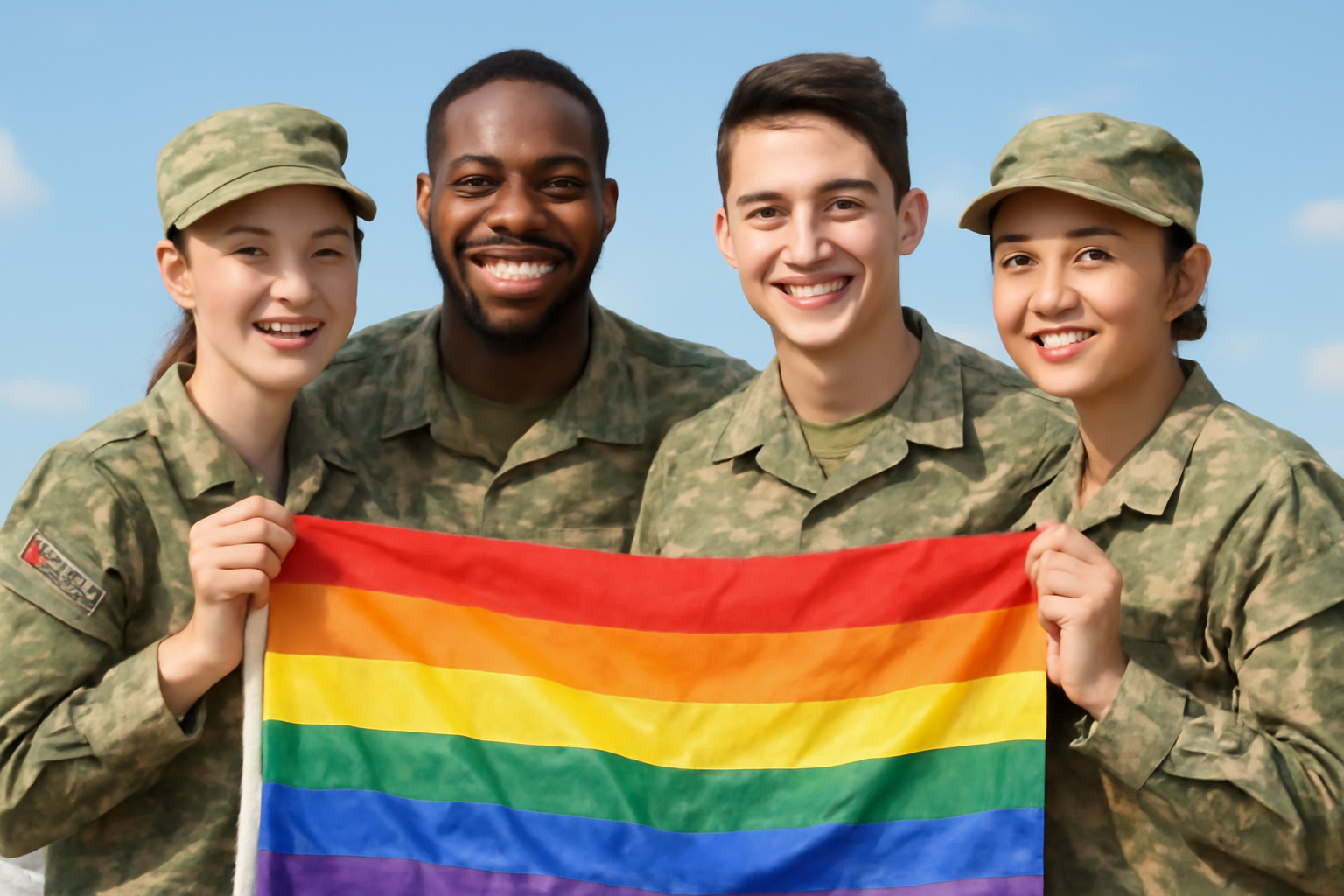
The vision for a truly inclusive military is one that embraces diversity and fosters an environment of acceptance and respect for all, regardless of their gender identity, sexual orientation, or any other aspect of their identity. In recent years, there has been significant dialog around how military policies can be shaped to either include or exclude individuals from different backgrounds. This discussion is particularly relevant in the context of LGBTQ+ individuals who have historically faced challenges in serving openly and authentically in the armed forces.
Historical Challenges
Historically, the military has not always been a welcoming place for LGBTQ+ individuals. Policies such as "Don't Ask, Don't Tell" effectively forced service members to hide their sexual orientation, creating an environment of fear and mistrust. This policy was eventually repealed, allowing individuals to serve openly without fear of discharge based solely on their sexual orientation. However, this was just one step towards true inclusivity.
Despite progress, there remain factions that argue for policies that would regress to exclusionary practices. These voices often cite concerns about unit cohesion or military readiness, ignoring the substantial evidence that diversity enhances the strength and adaptability of a military force. It's imperative to counter these arguments with facts and a commitment to equality.
The Importance of Diversity
Diversity in the military is not just a moral imperative; it is a strategic advantage. Different perspectives and experiences contribute to innovative problem-solving and effective decision-making. An inclusive military draws on the strengths of all its members, fostering a culture of understanding and mutual respect, which is crucial in high-pressure situations that demand quick, decisive actions.
Moreover, an inclusive policy helps in recruiting the best talent from a broad cross-section of society. When individuals do not have to hide who they are, they are more likely to perform at their best, knowing they are judged on their merits and not their identity. This leads to higher morale, greater job satisfaction, and a more committed force.
Current Challenges and the Path Forward
Despite the recognized benefits of inclusivity, there are ongoing challenges. Policies around transgender service members, for instance, have been a contentious issue. The ability for individuals to serve in a capacity that aligns with their gender identity is a basic human right. Denying this right not only undermines the principles of equality and fairness but also weakens the military by excluding capable individuals.
To move forward, it is crucial that military leadership at all levels commits to fostering an environment where all service members feel valued and respected. This includes comprehensive anti-discrimination policies, robust support systems, and continuous education on diversity and inclusion. Training leaders to understand and embrace diversity as an asset will help in building a cohesive and effective military force.
Conclusion
Creating a military for everyone means committing to policies that embrace diversity in all its forms. It requires an unwavering dedication to the principles of equality and respect. By ensuring that all service members, regardless of their sexual orientation or gender identity, can serve openly and authentically, we not only honor the values that our military seeks to protect but also build a stronger, more capable force.
Let us work towards a future where exclusion is no longer the norm, but rather inclusion is celebrated as a fundamental strength of our military. Together, we can create an institution that truly reflects the diversity and values of the society it serves.
By promoting policies that ensure equity and opportunity for all, we pave the way for a military that upholds justice and equality, inspiring future generations to serve with pride and integrity.
Related Posts
Supreme Court to Address State Bans on Trans Women in Female Sports
The upcoming U.S. Supreme Court term promises to be a pivotal moment for transgender rights, as the nation's highest court has agreed to evaluate whether states have the authority to prohibit transgender women from participating in female sports competitions. This case, scheduled to be argued in the next term beginning October, is expected to have a significant impact on the future of sports inclu [...]
Megan Rapinoe and Sue Bird Announce Amicable Separation After Ten Years Together
In a heartfelt announcement that resonated deeply within the sports and LGBTQ+ communities, soccer star Megan Rapinoe and basketball legend Sue Bird have revealed their decision to part ways after nearly a decade together. The couple, who have been icons both on and off the field, shared the news with their fans through a joint statement on social media, expressing that the choice was made with mu [...]
Groundbreaking Ruling Ends Sodomy Ban for Police and Military in the Dominican Republic
The Constitutional Court of the Dominican Republic recently delivered a landmark decision on November 18th, ruling that the nation’s police and armed forces are not permitted to criminalize consensual same-sex relations among their personnel. This pivotal ruling is a significant stride towards equality and the protection of LGBTQ+ rights within these institutions. A Resounding Victory for Equal [...]