
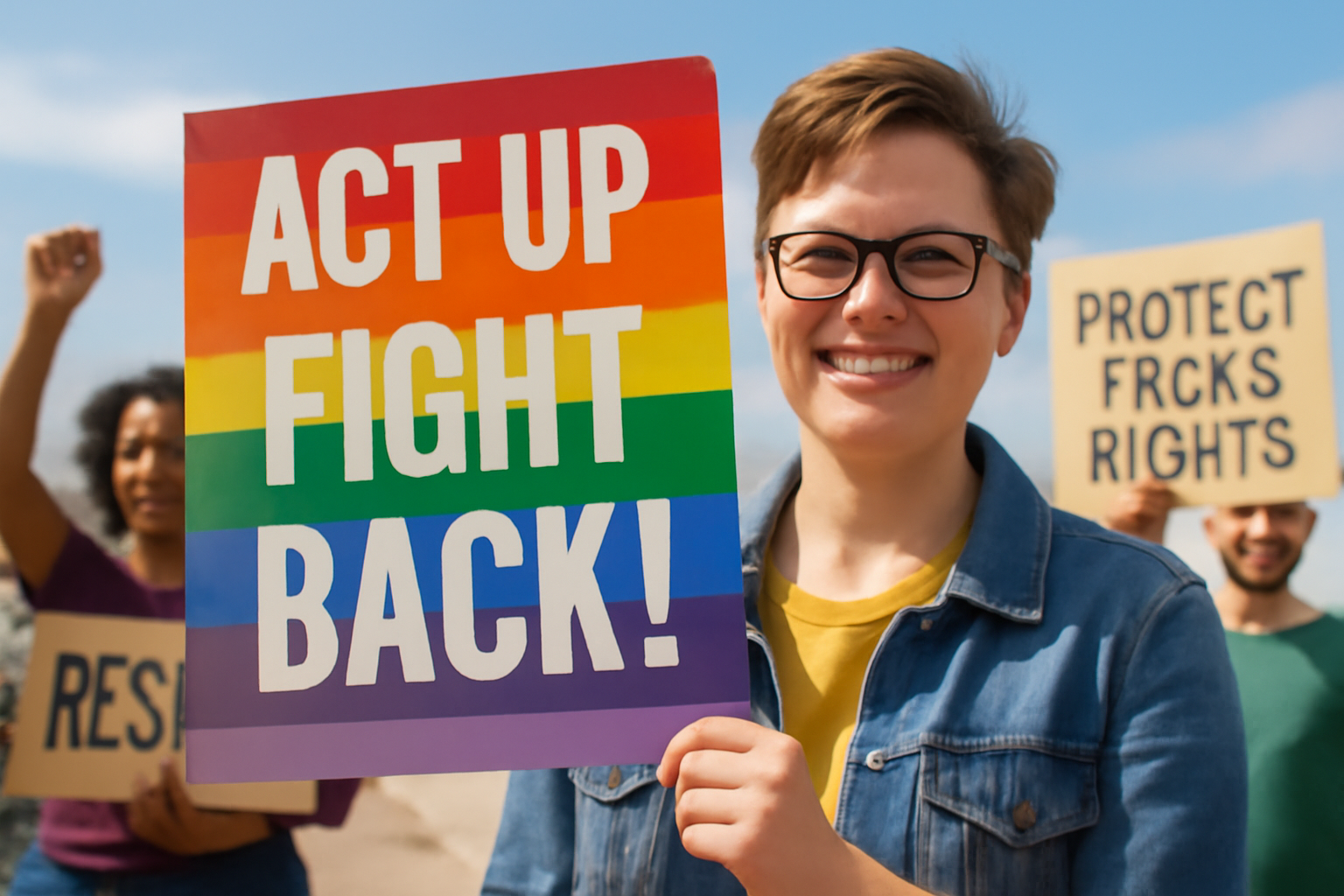
In today’s society, political landscapes are shifting dramatically. Countries traditionally seen as bastions of liberal democracy, such as France, Germany, and the United States, are experiencing a rightward shift that challenges the fundamental principles of social justice and democracy. This article serves as a guide for activists and concerned citizens on how to effectively engage in civil resistance and activism in these trying times.
Understanding the Political Climate
Many individuals committed to democratic values find themselves disheartened by the recent political changes, especially in the United States. The apparent resurgence of conservative ideologies highlights deeply rooted societal issues, such as racial and economic inequalities. Rather than being a surprise, these shifts underscore long-standing historical tensions that must be addressed head-on through organized action and civil resistance.
The Role of Social Movements
Social movements have played a pivotal role in shaping society and achieving social justice. These movements typically arise in response to perceived injustices and aim to bring about significant changes in political, economic, or cultural systems. Understanding the types and stages of social movements can empower activists to organize effectively.
Social movements often fall into one of several categories:
- Reform movements: These seek to implement specific changes within existing structures.
- Revolutionary movements: These aim to completely overthrow existing systems and establish new ones.
- Reactionary movements: These oppose changes and seek to maintain or return to previous social norms.
- Self-help movements: These focus on individual improvement.
- Religious movements: These promote spiritual beliefs and often seek to convert others.
Understanding the lifecycle of a social movement—emergence, coalescence, bureaucratization, and decline—provides insights into how movements grow and how they can be sustained over time.
Non-Violent Civil Disobedience
Civil disobedience involves knowingly violating laws perceived as unjust to highlight their inequities. Dr. Martin Luther King Jr. famously argued that civil disobedience demonstrates respect for law by appealing to the conscience of society to rectify injustices. Non-violent resistance has been shown to be more successful than violent campaigns in achieving lasting change.
Research by political analyst Erica Chenoweth highlights that non-violent campaigns are twice as likely to succeed as violent ones. Chenoweth’s studies reveal that mobilizing just a small percentage of the population in sustained non-violent action can lead to significant political changes, underscoring the power of peaceful resistance.
Building Coalitions Across Identities
Effective activism often involves forming coalitions across different identity groups, recognizing the interconnectedness of various forms of oppression. Activists are increasingly uniting based on shared values and goals, transcending individual identities to challenge systemic inequities rooted in gender, race, and socioeconomic status.
By collaborating, activists can address the multifaceted nature of oppression, likened to a wheel with many spokes. Dismantling one spoke is insufficient; it’s crucial to address the entire structure to achieve meaningful change.
Strategies for Effective Activism
Engaging in civil resistance and activism requires strategic planning and sustained effort. Here are some practical steps:
- Donate to and volunteer with organizations committed to social change, such as the ACLU, Southern Poverty Law Center, and various human rights groups.
- Participate in local and national protests to voice opposition to unjust policies.
- Engage in non-violent civil disobedience training to prepare for effective action.
- Support and elect progressive political candidates at all levels of government.
- Foster community support by making local spaces sanctuaries for marginalized groups, such as undocumented immigrants.
- Stay informed and educate others about critical issues through writing, discussion groups, and public forums.
- Balance activism with self-care to prevent burnout; prioritize rest and connection with loved ones.
As activists, the journey toward social justice is ongoing and requires persistence, creativity, and solidarity. By working together and employing a variety of strategies, we can push back against regressive forces and continue to strive for a more equitable world.
Remember the words of Edmund Burke: "The only thing necessary for the triumph of evil is for good people to do nothing." And let Margaret Mead’s words inspire your actions: "Never doubt that a small group of thoughtful, committed citizens can change the world; indeed, it’s the only thing that ever has."
Related Posts
Supreme Court to Address State Bans on Trans Women in Female Sports
The upcoming U.S. Supreme Court term promises to be a pivotal moment for transgender rights, as the nation's highest court has agreed to evaluate whether states have the authority to prohibit transgender women from participating in female sports competitions. This case, scheduled to be argued in the next term beginning October, is expected to have a significant impact on the future of sports inclu [...]
Megan Rapinoe and Sue Bird Announce Amicable Separation After Ten Years Together
In a heartfelt announcement that resonated deeply within the sports and LGBTQ+ communities, soccer star Megan Rapinoe and basketball legend Sue Bird have revealed their decision to part ways after nearly a decade together. The couple, who have been icons both on and off the field, shared the news with their fans through a joint statement on social media, expressing that the choice was made with mu [...]
Groundbreaking Ruling Ends Sodomy Ban for Police and Military in the Dominican Republic
The Constitutional Court of the Dominican Republic recently delivered a landmark decision on November 18th, ruling that the nation’s police and armed forces are not permitted to criminalize consensual same-sex relations among their personnel. This pivotal ruling is a significant stride towards equality and the protection of LGBTQ+ rights within these institutions. A Resounding Victory for Equal [...]