
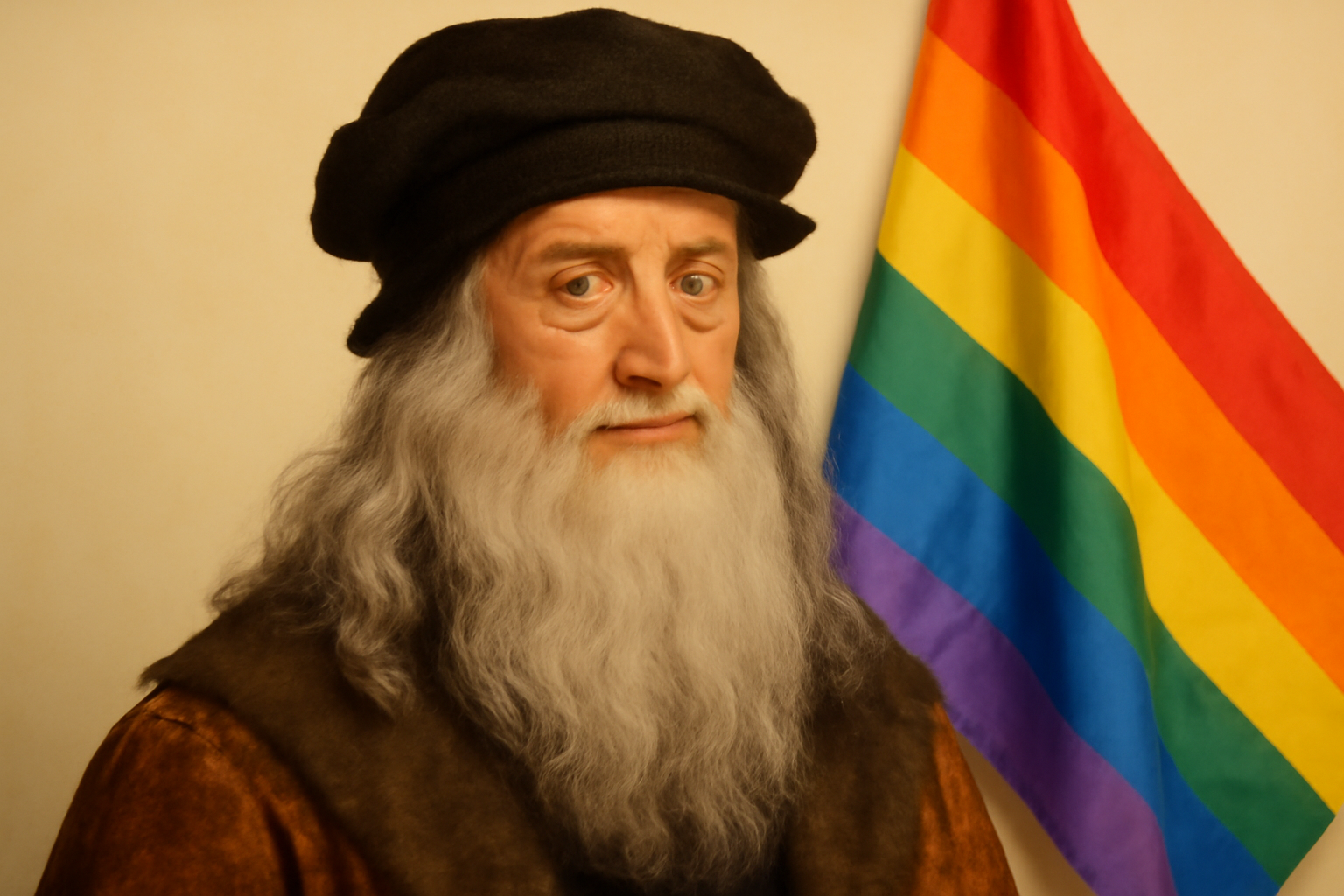
Each year, LGBTQ+ History Month provides an opportunity to celebrate the rich tapestry of queer culture and the countless contributions of LGBTQ+ individuals throughout history. Despite the challenges faced by LGBTQ+ individuals in the past, historians have unearthed fascinating insights about the lives of several prominent figures whose sexualities were often hidden or overlooked. Here are nine historical figures who may surprise you with their LGBTQ+ identities.
Leonardo da Vinci
Leonardo da Vinci, the quintessential Renaissance man known for his paintings, inventions, and scientific inquiries, is also recognized as having lived as an openly gay man in 15th-century Florence. Walter Isaacson's biography of da Vinci reveals the artist's relationships with younger male companions and his exploration of male sexuality through his work. Despite facing accusations of sodomy, da Vinci's reflections and art testify to his attraction to men.
Florence Nightingale
Florence Nightingale, celebrated as the founder of modern nursing, also had passionate relationships with women. As highlighted in the book "Superstars: Twelve Lesbians Who Changed the World," Nightingale's love for her cousin Marianna Nicholson led her to assume a male identity to evade societal judgment. This side of Nightingale's life adds depth to her legacy as a pioneering nurse and compassionate human being.
King James VI and I
King James VI and I, the monarch who commissioned the King James Bible, is widely believed to have engaged in same-sex relationships. Notably, James bestowed titles upon his lovers, such as Robert Carr, whom he made the Earl of Somerset, and George Villiers, whom he elevated to the Duke of Buckingham. The affectionate correspondence between James and Villiers provides compelling evidence of their intimate relationship.
Selma Lagerlöf
Selma Lagerlöf, the first female Nobel Prize winner in Literature, shared a profound bond with fellow writer Sophie Elkan. Their relationship, documented through hundreds of letters, began in 1894 and continued until Elkan's death in 1921. Lagerlöf's heartfelt letters express a deep emotional connection and gratitude for their time together, enriching our understanding of her life and work.
William Shakespeare
The sexuality of William Shakespeare has long intrigued scholars and audiences alike. Esteemed actor Sir Ian McKellen and other experts have suggested that Shakespeare engaged in relationships with men. His sonnets, many of which are addressed to a male subject, suggest personal experiences with same-sex love, challenging traditional perceptions of the Bard's private life.
Roberta Cowell
Roberta Cowell, a pioneering figure in transgender history, was a World War II fighter pilot who later became one of the first individuals to receive gender confirmation surgery. Her courage and determination in the face of adversity paved the way for future generations of transgender individuals, illustrating the resilience and tenacity of the LGBTQ+ community.
Richard I
King Richard I, known as the Lionheart, was rumored to have had a passionate affair with Philip II of France. Historical accounts describe their close companionship and shared affection, leading contemporaries to speculate about the nature of their relationship. The bond between Richard and Philip offers a glimpse into the complexities of medieval royal friendships.
Caroline Spurgeon
Caroline Spurgeon, a groundbreaking academic, was the first female professor at the University of London. Her lifelong partnership with Lilian Clapham is commemorated by their joint gravestone, which Spurgeon designed. Their shared life and work highlight the contributions of women in academia and the enduring impact of their companionship.
Julius Caesar
Roman leader Julius Caesar, often celebrated for his military prowess and political acumen, also faced rumors about his relationships with men. His alleged affair with King Nicomedes IV of Bithynia and subsequent taunting by political adversaries reveal the enduring presence of homophobic rhetoric throughout history. Caesar's legacy, however, transcends these personal anecdotes, reflecting the complexity of his character.
These historical figures remind us that LGBTQ+ identities have always been part of the human experience, enriching our understanding of history and the individuals who shaped it. By acknowledging their stories, we celebrate the diversity and resilience of the LGBTQ+ community across time.
Related Posts
Supreme Court to Address State Bans on Trans Women in Female Sports
The upcoming U.S. Supreme Court term promises to be a pivotal moment for transgender rights, as the nation's highest court has agreed to evaluate whether states have the authority to prohibit transgender women from participating in female sports competitions. This case, scheduled to be argued in the next term beginning October, is expected to have a significant impact on the future of sports inclu [...]
Megan Rapinoe and Sue Bird Announce Amicable Separation After Ten Years Together
In a heartfelt announcement that resonated deeply within the sports and LGBTQ+ communities, soccer star Megan Rapinoe and basketball legend Sue Bird have revealed their decision to part ways after nearly a decade together. The couple, who have been icons both on and off the field, shared the news with their fans through a joint statement on social media, expressing that the choice was made with mu [...]
Groundbreaking Ruling Ends Sodomy Ban for Police and Military in the Dominican Republic
The Constitutional Court of the Dominican Republic recently delivered a landmark decision on November 18th, ruling that the nation’s police and armed forces are not permitted to criminalize consensual same-sex relations among their personnel. This pivotal ruling is a significant stride towards equality and the protection of LGBTQ+ rights within these institutions. A Resounding Victory for Equal [...]