
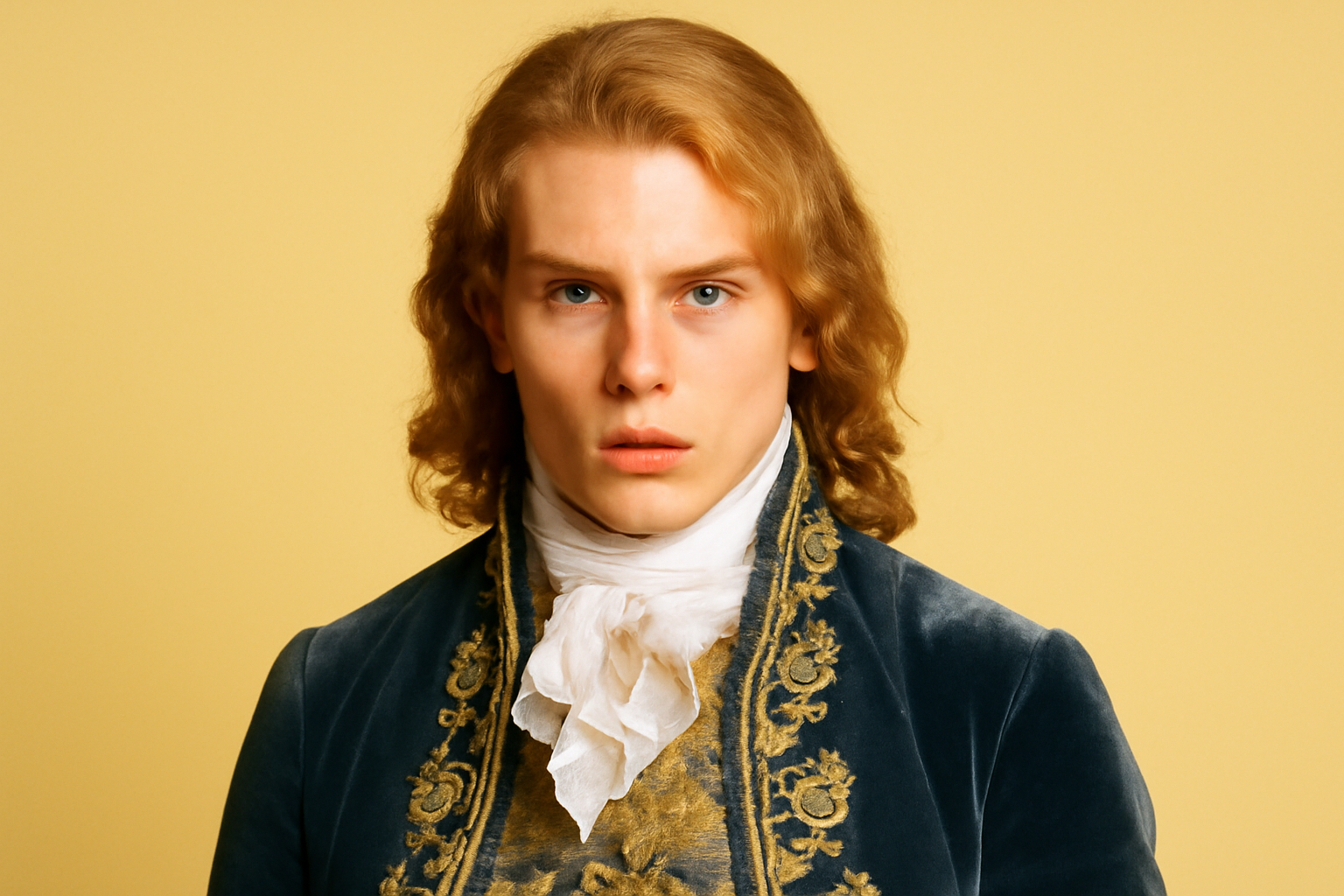
"Interview With The Vampire" has been a captivating film for many fans since its release. The gothic atmosphere, combined with stellar performances, has made it a cult classic among vampire enthusiasts and beyond. However, there's a lot that goes on behind the scenes that many viewers might not know. Here are 21 intriguing facts that might change how you view this iconic film.
1. The Original Casting Choices
Before Tom Cruise took on the iconic role of Lestat, other famous actors were considered for the part. The film’s production initially eyed Daniel Day-Lewis, who was known for his intense preparation and transformative acting skills. Ultimately, the role went to Cruise, who brought his own unique interpretation to the character.
2. Anne Rice’s Initial Reaction
Anne Rice, the author of the novel on which the film is based, was initially skeptical about Tom Cruise playing Lestat. However, after seeing his performance, she was so impressed that she took out an ad in Variety praising his portrayal.
3. Brad Pitt's Struggle with Darkness
Brad Pitt, who played the brooding vampire Louis, found the role challenging due to the constant night shoots and the dark themes of the story. He later revealed that he was miserable during the production but persevered to deliver a memorable performance.
4. Kirsten Dunst's Breakthrough Role
Kirsten Dunst, who was only 12 years old at the time, delivered an unforgettable performance as Claudia, the child vampire. Her mature portrayal earned her significant acclaim and set the stage for a successful acting career.
5. The Use of Special Effects
In an era before CGI dominated Hollywood, "Interview With The Vampire" utilized practical effects to create its chilling visuals. Makeup, lighting, and traditional effects played significant roles in bringing the vampire world to life.
6. A Collaborative Soundtrack
The haunting soundtrack was composed by the renowned Elliot Goldenthal, whose work helped elevate the film’s eerie and majestic tone. The music is integral to setting the mood throughout the movie.
7. Filming Locations
The film was shot in various locations, including New Orleans, Paris, and London, to authentically capture the setting of the 18th and 19th centuries. These locations added authenticity and grandeur to the visual storytelling.
8. Costume Design
The costumes played a crucial role in the film, reflecting the period and the characters' transformations. Designer Sandy Powell crafted intricate pieces that were both historically accurate and emblematic of the film’s gothic style.
9. The Lengthy Makeup Process
Transforming the actors into vampires required extensive makeup sessions. Each actor spent hours in the makeup chair to achieve the pale, otherworldly appearance required for their characters.
10. Inspiration from Classic Vampire Lore
The film draws inspiration from classic vampire mythology while adding its own unique twists. It explores themes of immortality, loss, and the search for meaning, resonating with audiences on multiple levels.
11. The Challenge of Adapting the Novel
Adapting Anne Rice's complex novel to film was no easy task. The screenplay had to condense and adapt the intricate plot and rich character development into a cohesive cinematic experience.
12. The Influence on Vampire Films
"Interview With The Vampire" set a new standard for vampire films, influencing subsequent works in the genre. Its blend of horror, drama, and romance created a template that many films would follow.
13. Handling Sensitive Themes
The film boldly tackles themes of sexuality, identity, and existential dread, offering a thought-provoking exploration of the vampire mythos.
14. A Tale of Immortality
At its core, the film is a meditation on immortality and the consequences that come with it. It raises questions about the nature of life, death, and what it means to be alive.
15. The Role of the Narrator
The film’s narrative structure, framed as an interview, allows for a unique storytelling approach that draws viewers into Louis's personal saga.
16. A Visionary Director
Director Neil Jordan brought his vision to life with meticulous attention to detail, ensuring each scene captured the essence of Rice’s world.
17. The Impact of Cinematography
The film’s cinematography, led by Philippe Rousselot, played a key role in establishing the movie’s haunting aesthetic, from the dimly lit streets to the lush, shadowy interiors.
18. A Tale of Two Vampires
The dynamic between Lestat and Louis is central to the film, exploring themes of power, control, and companionship.
19. The Role of Mortality
The film delves deep into the concept of mortality, highlighting the bittersweet nature of eternal life and the inevitability of change.
20. The Influence of Gothic Literature
The film draws heavily from gothic literature, with its emphasis on dark romanticism, psychological depth, and the supernatural.
21. A Legacy of Its Own
"Interview With The Vampire" remains a defining work within the vampire genre, continuing to captivate audiences with its timeless story and rich, complex characters.
These behind-the-scenes facts offer a deeper understanding of "Interview With The Vampire," providing insights into the challenges and triumphs of bringing this beloved tale to the silver screen.
Related Posts
Supreme Court to Address State Bans on Trans Women in Female Sports
The upcoming U.S. Supreme Court term promises to be a pivotal moment for transgender rights, as the nation's highest court has agreed to evaluate whether states have the authority to prohibit transgender women from participating in female sports competitions. This case, scheduled to be argued in the next term beginning October, is expected to have a significant impact on the future of sports inclu [...]
Megan Rapinoe and Sue Bird Announce Amicable Separation After Ten Years Together
In a heartfelt announcement that resonated deeply within the sports and LGBTQ+ communities, soccer star Megan Rapinoe and basketball legend Sue Bird have revealed their decision to part ways after nearly a decade together. The couple, who have been icons both on and off the field, shared the news with their fans through a joint statement on social media, expressing that the choice was made with mu [...]
Groundbreaking Ruling Ends Sodomy Ban for Police and Military in the Dominican Republic
The Constitutional Court of the Dominican Republic recently delivered a landmark decision on November 18th, ruling that the nation’s police and armed forces are not permitted to criminalize consensual same-sex relations among their personnel. This pivotal ruling is a significant stride towards equality and the protection of LGBTQ+ rights within these institutions. A Resounding Victory for Equal [...]