
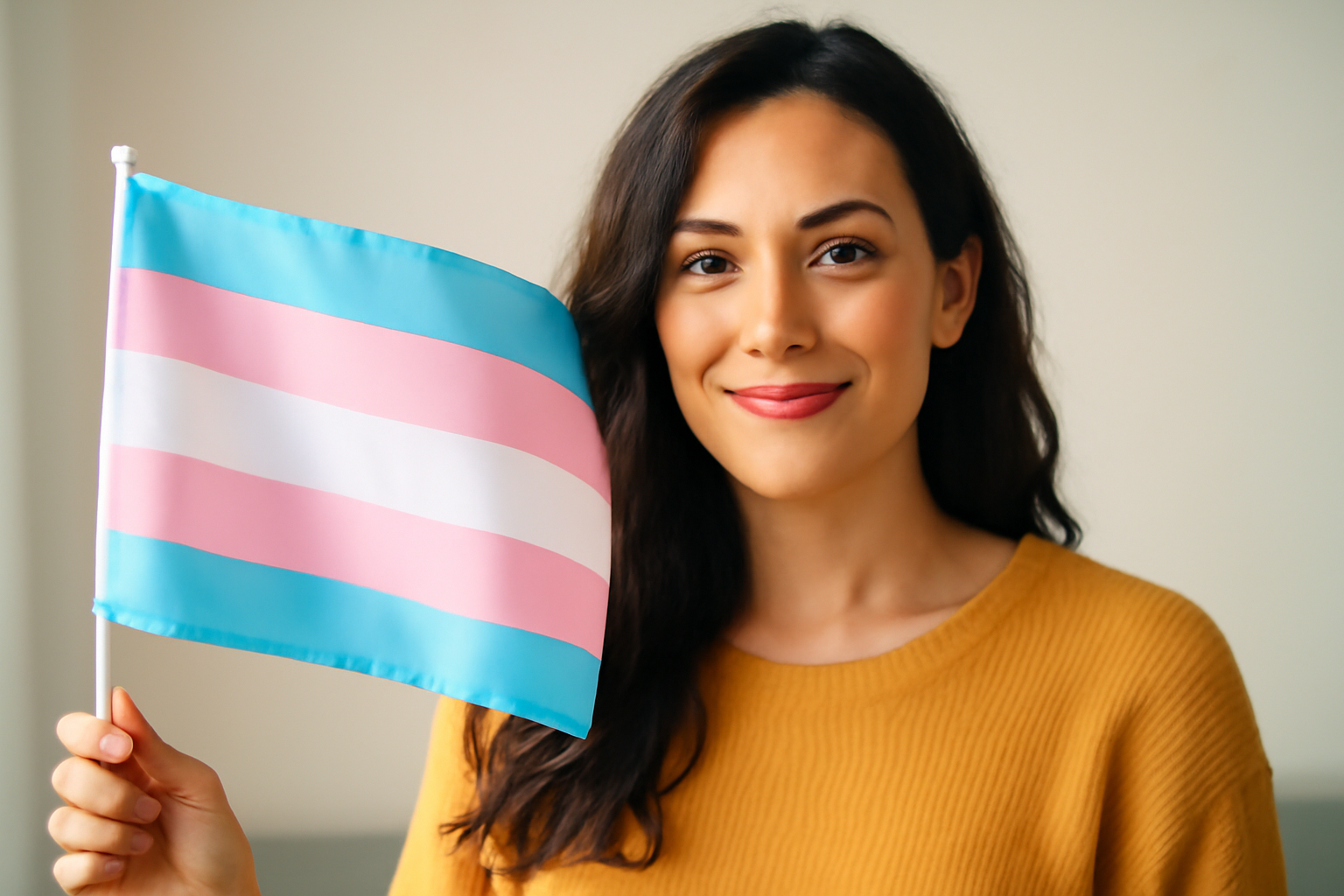
It seems like transgender history often takes a backseat in conventional education, yet it's such a vibrant and essential part woven through human history. Transgender individuals have been around worldwide since ancient times, showing up in different cultures and religions. Understanding this history feels incredibly important, especially now, when conversations about gender identity are right at our doorstep.
Tracing transgender roots in ancient civilizations
Believe it or not, transgender history stretches all. One early example? The Gala from ancient Sumer, around 5000 BC in what we know now as Iraq. These priests served Inanna, a goddess representing fertility and war, and were biologically male but spoke in a feminine dialect. Their rituals were all about gender transformation. While historical records are a bit sketchy, it's thought that these priests participated in activities we might label as queer now, showcasing how gender was already quite fluid back then.
Transgender priests walked ancient Rome
Jumping over a few centuries, in ancient Rome, we meet Galli, those devoted priests serving Cybele. They went so far as self-castration and wore feminine attire as acts deified devotion. Traditional Roman dudes didn't exactly celebrate this, but nowadays, we recognize Galli as key figures in transgender history. Even as Christianity surged and Cybele's cult waned, these priests remind us that transgender identities have been entwined in religious practices forever.
Transgender recognition across Asia and Africa
In Asia, India's Hijras have long been considered a third gender. They're revered during religious rites, wearing feminine clothing, and often undergoing castration. In Africa, some tribes honor intersex gods, and rulers like Egyptian Queen Hatshepsut challenged gender norms by donning male regalia. These histories offer a glimpse at cultures that embraced non-binary and transgender identities long before it became a heated topic worldwide.
Gender and early Christian saints
Between 500 and 900 AD, some early Christian saints took on lives as a different gender than what they were assigned at birth. These saints opted monastic lives as men, challenging early Christian conventions and offering a peek at how gender variance played out in history.
The intriguing Chevalier D'Eon
Let me tell you about Chevalier D'Eon, a French diplomat and soldier from 18th-century Europe. D'Eon's life was a fascinating tale marked by living part-time as a woman and part as a man. Her story uncovers a complex weave between gender, identity, and societal norms.
Transgender soldiers in America during Civil War times
During America's Civil War, individuals like Albert Cashier lived and fought as men, spotlighting transgender peoples' contributions long before modern acknowledgment. Their stories speak volumes about bravery and struggles trans individuals faced back then.
Trans lives shaping America's frontier
Out in America during its Wild West days, transgender folks were breaking gender norms left and right. Take Charley Parkhurst, a stagecoach driver and registered voter, or Harry Allen, a renowned bartender. These figures paint a vivid picture about diverse trans experiences during this frontier era.
Trans trailblazers in LGBTQ+ rights movements
The push towards LGBTQ+ rights saw remarkable input from transgender activists leading uprisings, even before famed events like Stonewall. At places like Cooper's Donuts and Compton's Cafeteria, trans individuals stood tall against unfair laws and police harassment.
The dawn and evolution toward a transgender symbol
In 1990s, something rather symbolic happened - a transgender symbol was born. Combining male, female, and androgynous symbols within a circle, it stands as a powerful emblem representing inclusion and unity in society, echoing an ongoing battle toward equality and acceptance.
The evolving narrative: transgender history continues
Today, transgender history isn't just something dusty and old; it's being penned daily. With more trans individuals taking up visible roles in areas like entertainment, sports, and politics, this community continues its quest toward equality and acknowledgment. Each contribution lays a brick toward a tomorrow where gender identity won't be a hurdle or define one's acceptance. Transgender history narrates a resilient, diverse human spirit, reminding us gender has perpetually been a spectrum, with trans individuals naturally partaking in this human tapestry.
Related Posts
Supreme Court to Address State Bans on Trans Women in Female Sports
The upcoming U.S. Supreme Court term promises to be a pivotal moment for transgender rights, as the nation's highest court has agreed to evaluate whether states have the authority to prohibit transgender women from participating in female sports competitions. This case, scheduled to be argued in the next term beginning October, is expected to have a significant impact on the future of sports inclu [...]
Megan Rapinoe and Sue Bird Announce Amicable Separation After Ten Years Together
In a heartfelt announcement that resonated deeply within the sports and LGBTQ+ communities, soccer star Megan Rapinoe and basketball legend Sue Bird have revealed their decision to part ways after nearly a decade together. The couple, who have been icons both on and off the field, shared the news with their fans through a joint statement on social media, expressing that the choice was made with mu [...]
Groundbreaking Ruling Ends Sodomy Ban for Police and Military in the Dominican Republic
The Constitutional Court of the Dominican Republic recently delivered a landmark decision on November 18th, ruling that the nation’s police and armed forces are not permitted to criminalize consensual same-sex relations among their personnel. This pivotal ruling is a significant stride towards equality and the protection of LGBTQ+ rights within these institutions. A Resounding Victory for Equal [...]